





Introduction: When the cobbles whisper — a journey into Catania’s narrow alleys
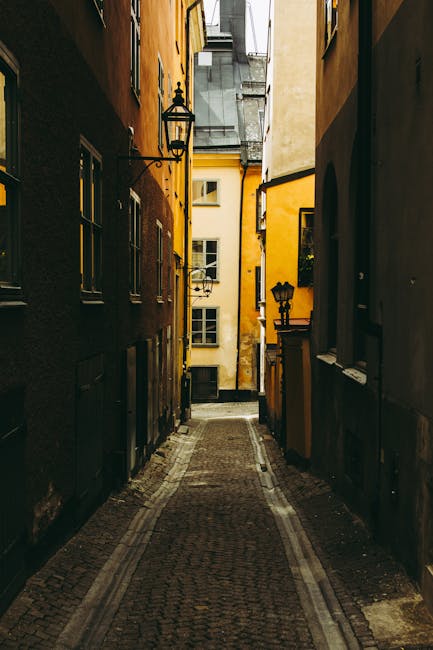
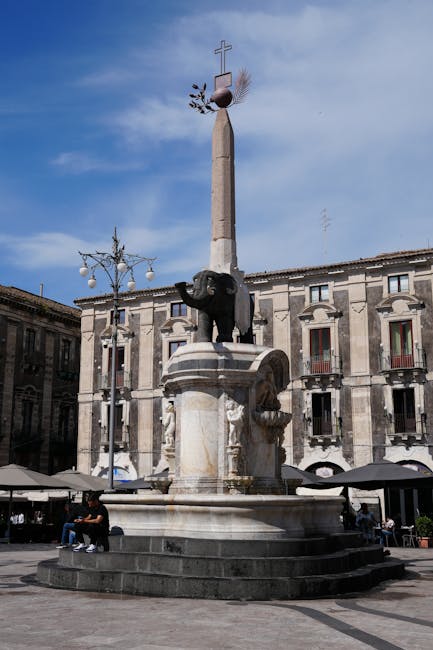
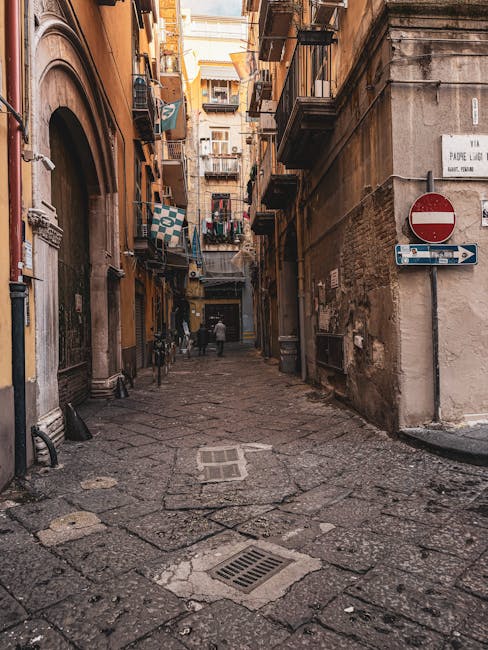
Catania, the southern sister at the foot of Etna, is a city where stone tells stories. Here, basalt-darkened facades, baroque doorways and broad boulevards intersect with lanes so narrow they feel like veins feeding the spirit of the city. Catania’s alleys — venelle, vicolo, stradina — are corridors of history: every cobble keeps a memory, every corner carries a legend. Locals say that when the east wind blows and the air is slightly humid, you can hear the cobbles “whisper”: sailors’ confessions, merchants’ shouts, the sighs of young lovers, and sometimes the echoes of old tragedies.
This atmosphere makes Catania different from overly polished cities. Far from sanitized tourist maps, its alleys offer a stage of light and shadow where oral tales, popular beliefs and everyday superstitions are renewed. The oldest legends invoke saints — especially Saint Agatha — but also unexpected visitors: spirits of fishermen, Spanish soldiers, or ghosts of old inns. Other, more recent stories recount impossible loves born between Via Crociferi and Via Vittorio Emanuele, magical objects hidden beneath stair steps, and keys thrown into a gutter as a pledge of fidelity.
This guide aims to be both an immersive walk and a field notebook: exact addresses, opening hours, entrance fees and practical tips will complement the stories. We’ll visit must-see sites — the Cattedrale di Sant’Agata, Castello Ursino, Teatro Massimo Bellini, the Monastero dei Benedettini — but also lesser-told alleys like Via Crociferi and the area around Piazza della Pescheria. Each stop will be described in detail: how to get there, the best light for photos, which door to watch for a plaque or bas-relief that will trigger the local legend.
Whether you’re a curious traveler, a photographer seeking atmosphere or a night-walking thrill-seeker, this text aims to tune your senses to the murmurs of stone. Get your shoes, ears and imagination ready: in Catania the cobbles speak if you take the trouble to listen. We’ll also include practical tips (safety, transport, best times to visit, recommended cafés) and visual markers to help you navigate on the ground. Legends aren’t just meant to be read; they’re to be lived — sometimes down a narrow lane, sometimes under a church portico, sometimes in the middle of a market. The cobbles whisper — follow their voices.
The alleys and their legends: tales, origins and characters
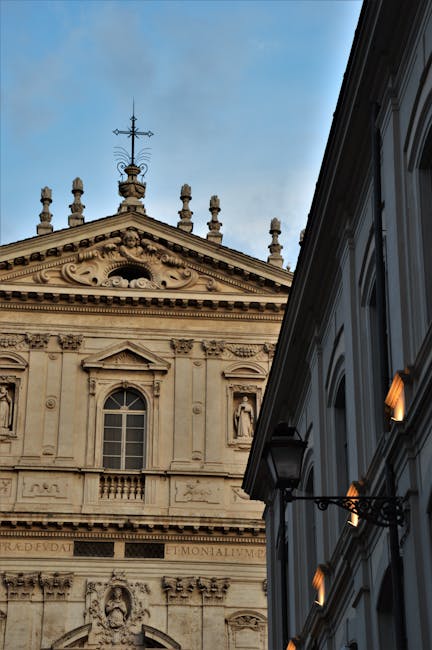
Catania’s alleys hold a rich oral tradition. Among the most famous, Via Crociferi (Via dei Crociferi) is not only a dazzling baroque street but also a corridor of tales. According to legend, a Carmelite brother, obsessed with justice, caused a stone in a wall to rise until the night Saint Agatha appeared to point out those responsible for a brawl. Today, the church facades on Via Crociferi — notably the Chiesa di San Benedetto (Via Crociferi, 6) — still bear marks said to be “signs of the saint.” Full address: Chiesa di San Benedetto, Via Crociferi 6, 95131 Catania CT. Visiting hours: 9:00–12:30 and 16:30–19:00 (times may vary with services). Entrance usually free, but guided tours of the Monastero dei Benedettini complex are substantial (see monuments section).
Another alley, neighboring passageways off Via dei Crociferi, hides the famous “chiave dell’amore” (key of love): it’s said that attaching a small key to a wrought-iron grille on the street will keep love lasting. This practice has spread over the past decade and has turned plaques and railings into colorful mosaics. Elderly locals also tell of other rituals: throwing a stone into a gutter to erase a curse, or walking backwards under the first arcade of a portico to banish jealousy. These rites often take place in the shade of monuments, but you’ll find them in quieter lanes too, notably near the Borgo-Saraceno quarter and around the Pescheria.
The Pescheria — the fish market on Piazza Carlo Alberto (next to Piazza Duomo) — is also a mythical stage: they say that on certain foggy nights you can still hear the voices of old fishermen singing the names of fish once sold there. Address: La Pescheria (Piazza Carlo Alberto, 95131 Catania CT). Hours: market active from around 5:00–13:00 (seasonal), closed Sunday mornings. The atmosphere and sounds here make the legends feel more tangible: you’ll see nets, cages and wet stalls, and vendors who sometimes still tell stories of sailors lost off Capo S. Vito.
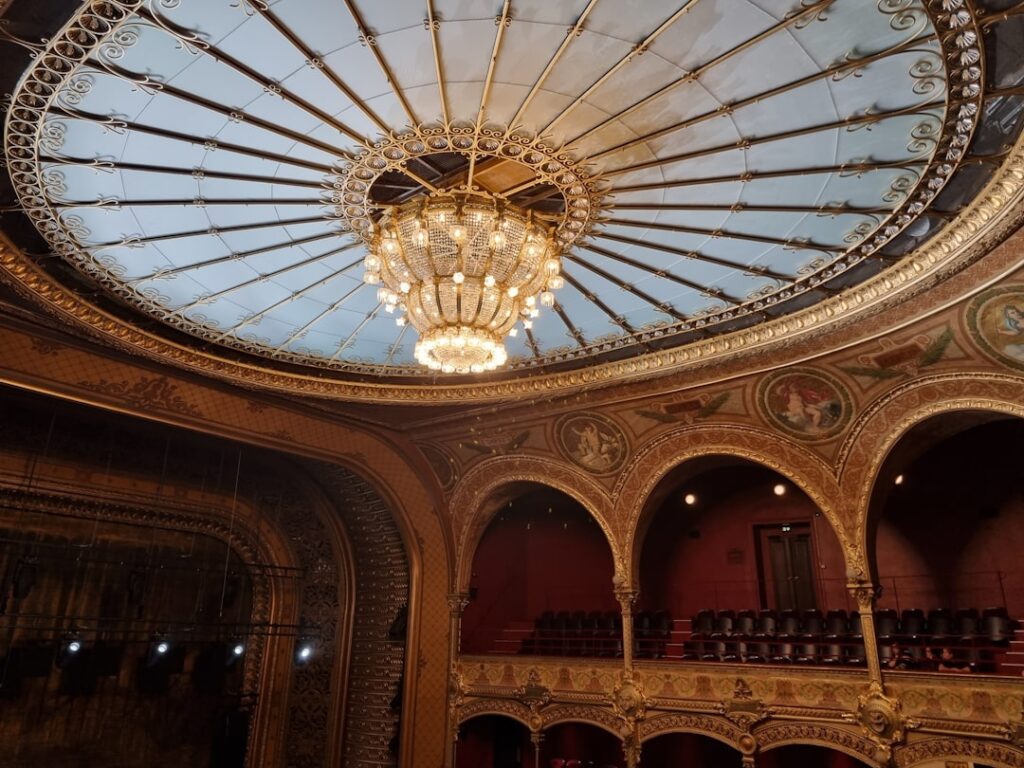
Finally, the lanes near Teatro Massimo Bellini lend themselves to musical tales. A ghostly melody is often linked to a forgotten composer who supposedly wrote an unfinished aria and buried it under a slab near the theater. Location: Teatro Massimo Bellini, Piazza Vincenzo Bellini 2, 95131 Catania CT. Tickets for performances: from €10 depending on seating. Box office and guided tours: 9:00–13:00 / 15:30–18:30, hours vary by season and performances.
Nocturnal walks: routes, stops and atmospheres
At night, Catania’s alleys take on a different character. Many legends gain intensity after sunset, when streetlights create pockets of light and the city’s sounds soften. A recommended route starts at the Cattedrale di Sant’Agata (Piazza Duomo, 95131 Catania CT), continues along Via Etnea, branches off to Via dei Crociferi, descends toward the Pescheria and finishes around Castello Ursino. Hours: the Cathedral is generally open 7:30–19:00; the surroundings are accessible at all times. Cathedral entrance: free; visiting the treasury or crypt: €2–3 (depending on local management).
Begin your walk at golden hour, around 18:00–19:00 in summer, when the sun sets behind Etna and the stone reveals its textures. On Via Etnea (the main street), stop in front of baroque palazzos and look for commemorative plaques often at eye level — they tell of births, deaths and earthquakes. As night falls, turn toward Via Crociferi for a sacred atmosphere: the warm lamp light highlights stucco, statues and mascarons. Many local guides offer paid night tours — expect €10–20 per person for a themed walk (booking recommended via local tourist offices).
Later, descending toward the Pescheria, the mood becomes more lively if the market is still active very early in the morning, but at night it takes on a mysterious softness: closed booths, lingering salt scents, silhouettes. Here, listen: some swear they hear the lapping of boats where there is no more water. After that, head to Castello Ursino (Piazza Federico di Svevia, 1, 95121 Catania CT); its massive walls tell of Angevin and Spanish eras. Museo civico Castello Ursino — usual hours: 9:00–19:00 (closed some Mondays). Prices: full €6, reduced €4 (indicative public rates; check at the desk).

Nocturnal safety tip: avoid getting lost in unlit alleys too late (after 23:00) if you’re alone. Prefer routes that still have foot traffic (Via Etnea, Piazza Duomo, the seafront on Via Cardinale Dusmet). Carry a flashlight, an offline map and your accommodation’s contact details. Also, ask local shopkeepers for stories: often a small café or neighborhood grocer holds the local variation of a legend.
Places and monuments mentioned in the legends: addresses, hours and detailed visits
Catania is not only its lanes: its monuments are anchor points for the tales. Here’s a selection of places mentioned in the legends, with addresses, hours and prices (to be checked seasonally):
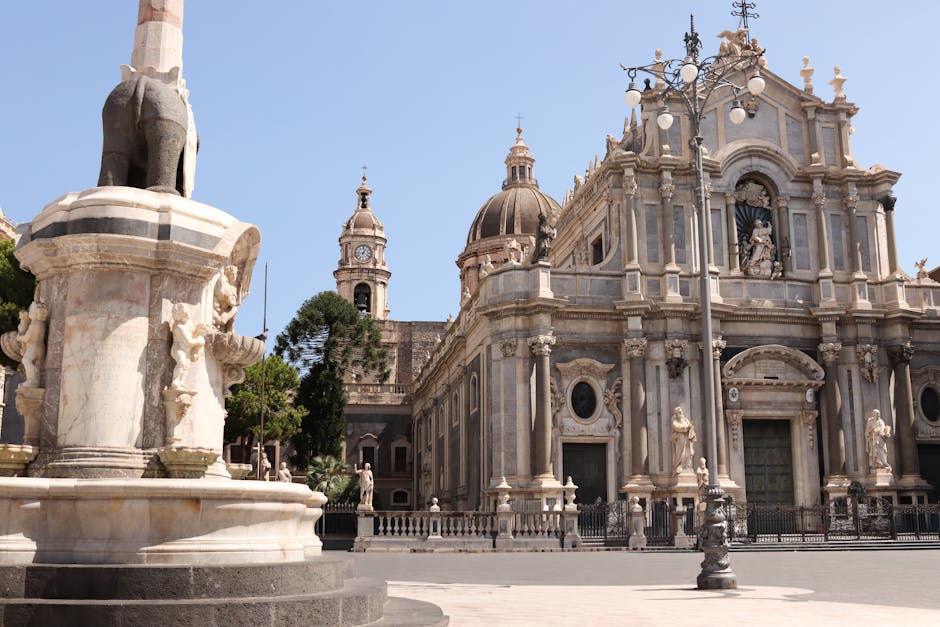
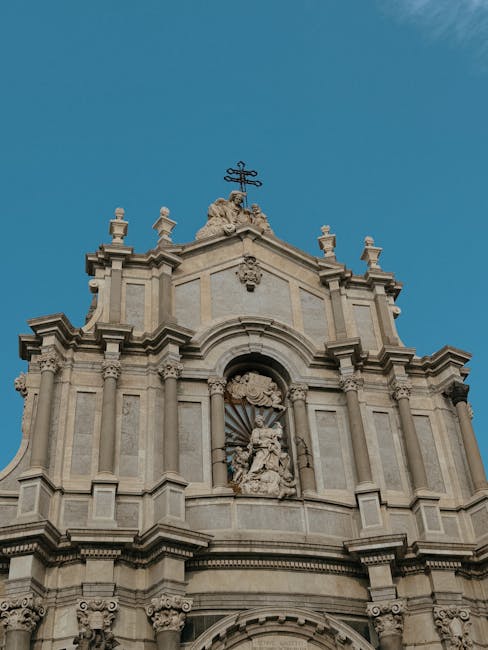
- Cattedrale di Sant’Agata — Piazza Duomo, 95131 Catania CT. Opening hours: 7:30–19:00 every day. Free entrance; access to the treasury and the crypt: €2–3. Description: baroque façade mixed with Norman elements, richly decorated interior, relics of Saint Agatha. Atmosphere: prayers, ex-votos and processions, especially during the Feast of Agatha (February).
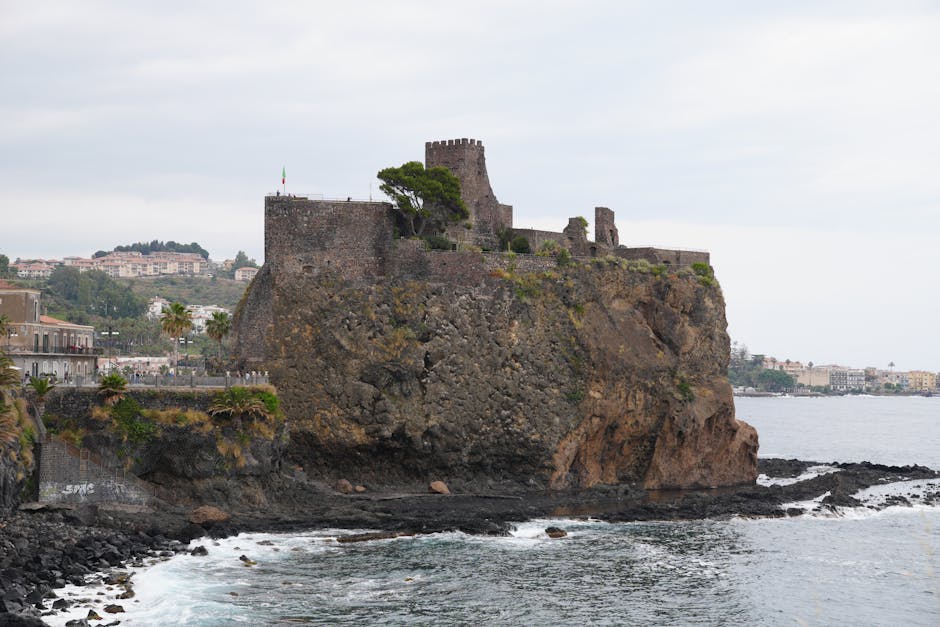
- Castello Ursino (Museo Civico) — Piazza Federico di Svevia, 1, 95121 Catania CT. Hours: 9:00–19:00 (variable closures on Monday). Price: full €6, reduced €4. Description: 13th-century castle founded by Frederick II, art and archaeology collections, temporary exhibitions. Site of legends tied to hidden treasures and sea ghosts.
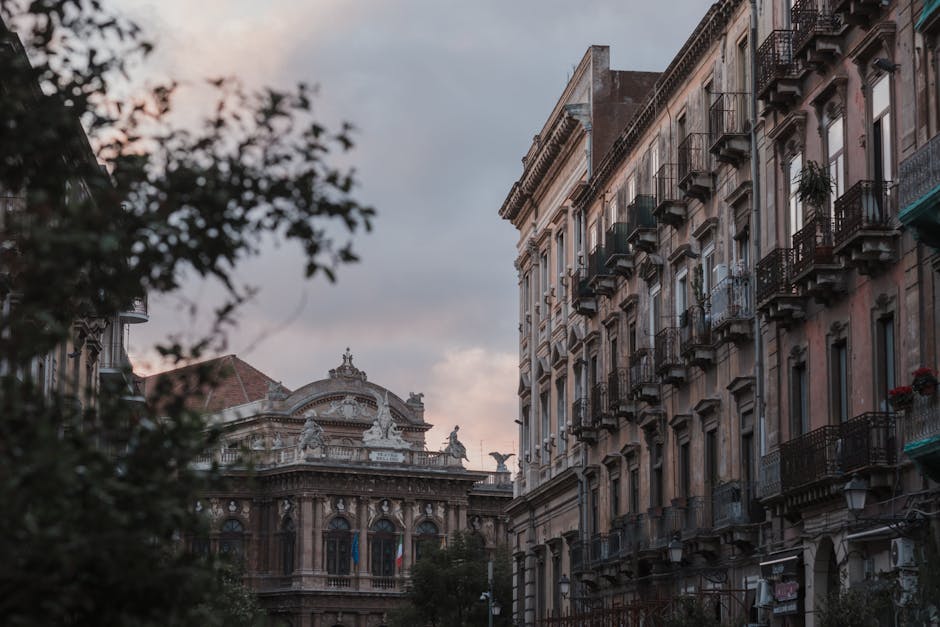
- Teatro Massimo Bellini — Piazza Vincenzo Bellini, 2, 95131 Catania CT. Performance tickets: from €10; guided tours: €8–12 (depending on program). Box office hours: 9:00–13:00 / 15:30–18:30. Description: opera house dedicated to composer Vincenzo Bellini, 19th-century interior, stage of lyrical legends and an unfinished arietta.
- Monastero dei Benedettini / San Nicolò l’Arena (Università degli Studi di Catania) — Piazza Dante Alighieri, 32, 95124 Catania CT. Visiting hours: 9:00–18:00 (guided tours often scheduled, paid tour entry: around €6–8). Description: vast baroque Benedictine complex, cloisters and monumental halls. Legends speak of monks guarding manuscripts and secret passages linking the neighborhood’s churches.
- Villa Bellini (Giardino Bellini) — Via Etnea, 55, 95129 Catania CT. Public park open 7:00–22:00. Free. Description: a romantic garden on a gentle hill, viewpoints over Etna, ideal for listening to stories at dusk. The alleys that lead off it once hosted promises and rendezvous of old.
For each monument, favor themed guided tours if you want to hear local versions of the legends (theaters, museums and universities often offer tours in Italian and sometimes in English). Booking: call or check the official site of the municipality of Catania or the institutions (e.g. Teatro Massimo Bellini box office). Prices and hours vary by season and holidays; plan a cultural budget of around €20–30 per person to see two to three sites with guides.
Practical tips and local experiences: how to listen to the cobbles
To truly “hear” Catania, you need concrete gestures: a route, precautions, chosen moments. Here are practical tips based on field experience:
- Best time to walk: spring (April–June) and autumn (September–October) offer clear skies, temperatures between 18–25 °C and golden light. In summer, start early (6:30–9:30) or late (after 19:30) to avoid the heat.
- Transport: Fontanarossa Airport (Aeroporto di Catania–Fontanarossa, Viale Vincenzo Bellini, 95121 Catania CT) is 7–10 km from the center; Alibus ~€4 one-way, taxis ~€20–30 depending on area and luggage. The city center is very walkable; for outskirts use urban buses (AMT Catania) and the tram. Have change ready for buses/ticket validations.
- Safety and good practices: Catania is generally safe but, as anywhere, watch for petty theft in tourist areas. Avoid leaving valuables in plain sight, stick to lit streets at night. Carry a paper copy of your accommodation and the local address in Italian.
- Active listening: to catch the legends, talk with shopkeepers (bakeries, baristas), guides and librarians. Cafés near Via Etnea and the stalls at the Pescheria are story wells. Offer a coffee in exchange for a tale — people open up more easily.
- Daily budget: a meal in a local trattoria €12–20, coffee €1–1.50, gelato €2–3. Monument entries as indicated earlier. Plan about €50–70 per day for a comfortable experience including one or two paid sites.
- Cultural interactions: the Feast of Sant’Agata (February) is the peak of traditions; if traveling then, book accommodation and services well in advance. Locals are proud of their customs: respect rites and ask before photographing people during religious activities.
Recommended experiences
Experience 1: sunrise stroll at the Pescheria (arrive around 5:30) to see the earliest bustle and hear vendors’ comments; cost: free, except for purchases. Experience 2: guided night tour of Via Crociferi and surroundings (€10–20) to hear different versions of the legends. Experience 3: a performance at Teatro Massimo Bellini (tickets from €10) followed by a late coffee in a nearby alley — the perfect moment to try a low-voiced ghost story.

Conclusion: keep your ears open and your heart ready
Catania’s alleys are not just lines on a map: they are places of memory, feeling and transmission. Walking these lanes means being willing to be unsettled by layers of history: traces of earthquakes, Norman occupation, Arab-Norman rule, Spanish influence and, always, the ever-present but life-giving threat of Etna. Every pavement, porch and stair can serve as a staging point for a legend. The best stories aren’t always the ones written in guides: they’re the ones you’ll hear from a barista in the morning, a curator in a museum, or an old man on a bench.
On a practical level, preparation matters: check hours and prices (they can change), choose the best moments for light, and above all leave time for the unexpected — an alley that calls you, a façade worth lingering over, a market that sings. Remember that in Catania listening is a local art. People love to share: offer an exchange, a coffee, a question about Saint Agatha and you’ll see the city open like an old book. Finally, respect sacred places and rituals, document your discoveries (notes, photos, recordings with permission) and leave room for mystery: some legends are best kept in the voice and passed on to those willing to lend an ear.
The cobbles whisper; it’s up to you to learn their language and report what you’ve heard, always with respect and curiosity. Buon viaggio e buona ascolto — may your walk in Catania reveal stories you would never have imagined.