





Introduction — Granita and brioche: a love affair in Catania
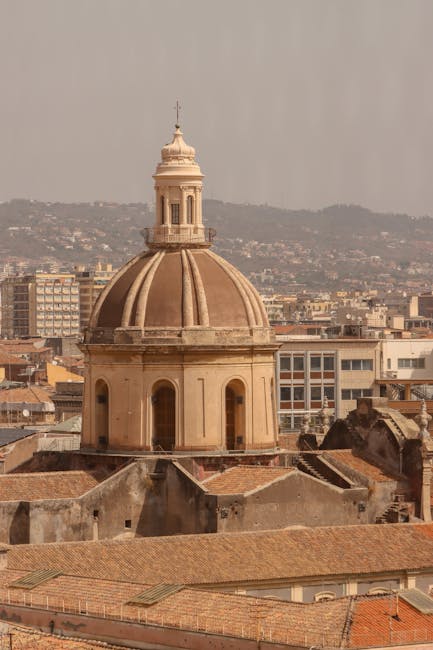
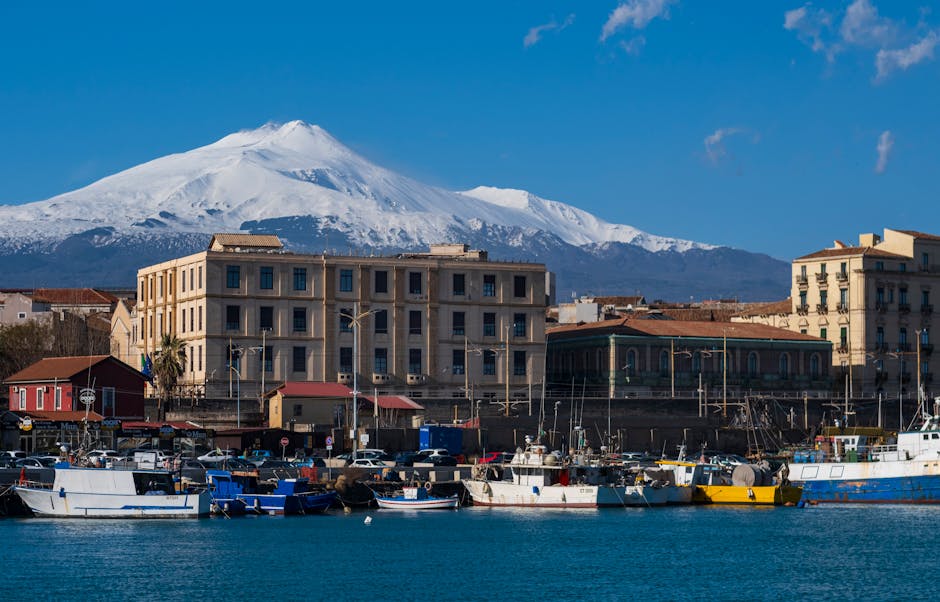
Catania greets you first with the eyes: Mount Etna looming over the city, the baroque facades of the Piazza del Duomo, and the bright, noisy fish market (the Pescheria di Catania). But if you really want to feel Catania’s daily soul, start with a very simple, deeply local breakfast: a chilled granita paired with a soft brioche. This duo — often enjoyed at the bar counter, perched on a stool, or taken for a stroll down Via Etnea — is more than just a tasty treat: it’s a ritual embedded in Sicilian food culture, shaped by centuries of Arab, Spanish and Mediterranean influences.
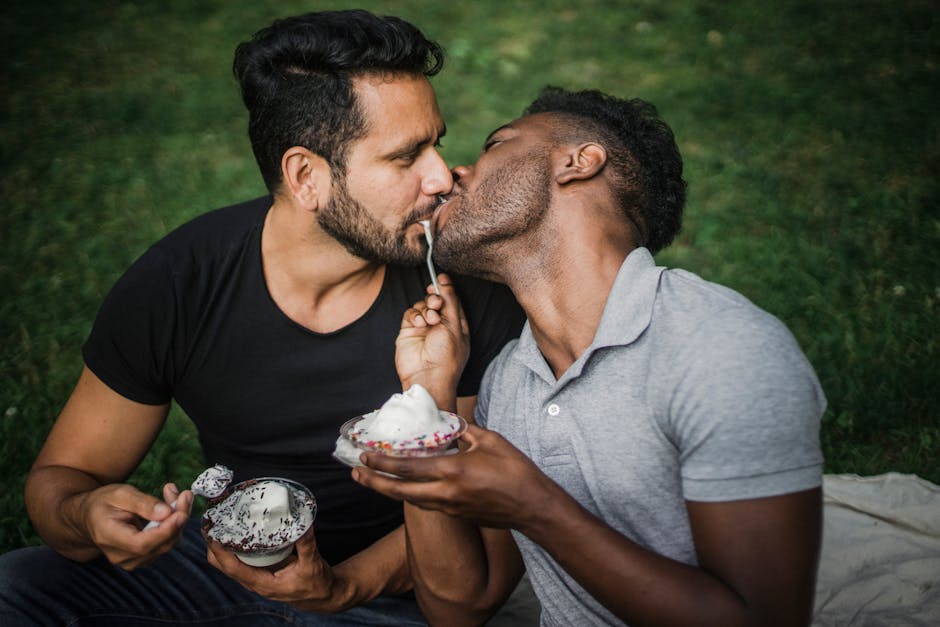
Granita sits somewhere between sorbet and shaved ice and comes in a range of textures and flavors: from the traditional coarse granita to the creamier versions inspired by pistachio, coffee or lemon. The brioche — usually buttery and subtly flavored with vanilla — is made to be dunked into the granita: you scoop some, let the sweetness soak into the crumb, and the collision of cold and plush creates a unique sensation. In Catania’s streets the scene is familiar: families, high schoolers, workers taking a break, and tourists learning the right way to enjoy it.
Throughout this piece I’ll walk you through both historic pastry shops and contemporary cafés where granita and brioche reach their peak in Catania. I’ll include full addresses, opening hours, approximate prices, and sensory descriptions for each spot: the sparkle of the ice, the lemon zest’s color, the dense crema of a coffee granita, the stretchy crumb of a brioche. You’ll also get practical tips to avoid tourist traps, choose the right flavor for the season, and understand local variations (like granita con panna or the brioche col tuppo alternative).
Finally, I’ll underline the lively side of the ritual: granita and brioche are an excuse to pause, watch, chat, listen to the market’s hum and smell the city. They show that in Catania food is a communal experience. Be ready to jot down precise addresses, follow a tasting route, and dive into Sicily’s most indulgent tradition — with a napkin and a ready hand for a syrupy brioche.
Top spots to enjoy granita and brioche in Catania
Catania is full of historic cafés and pastry shops where granita and brioche have been enjoyed for generations. Here’s a carefully curated selection of places where tradition and quality are preserved, including full addresses, opening hours and ballpark prices. These are chosen for their authenticity: counter service, family recipes and central locations.
Pasticceria Savia
Address: Via Etnea, 302, 95131 Catania CT, Italy.
Opening hours: Monday to Sunday, 07:00 – 21:00 (hours may vary on holidays).
Prices: basic granita €3.50; granita with panna €4.00; brioche €1.50; granita + brioche combo ≈ €4.50.
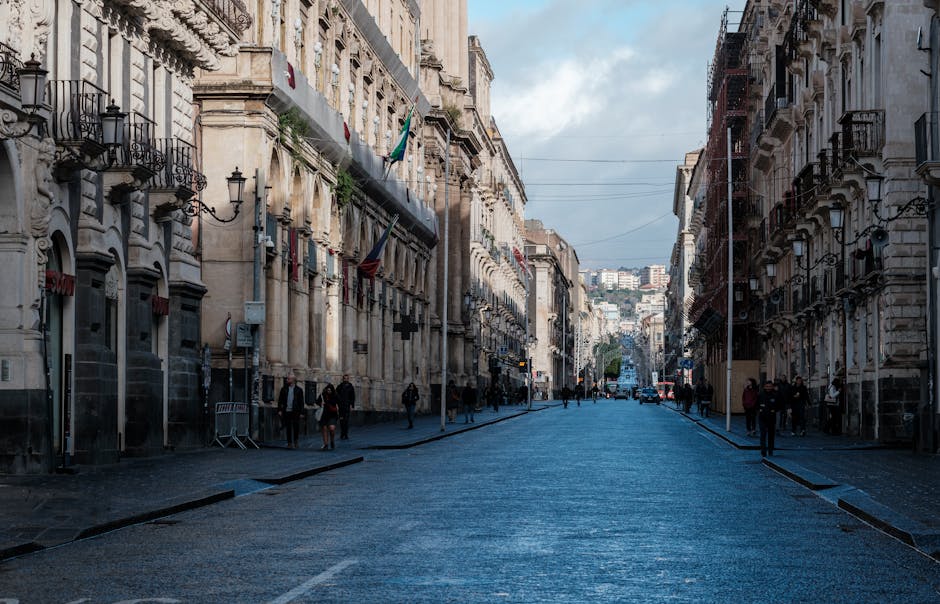
Savia is one of the legendary addresses on Via Etnea. Inside, the counter displays golden breads and jars of homemade jam. The lemon granita is known for its balance of tartness and sugar, while the brioche is made fresh each morning — light and subtly buttery. Service is brisk; expect a lively counter experience, often followed by a stroll along Via Etnea.
Caffè Coppola (a traditional example)
Address: Via Giuseppe Garibaldi, 45, 95121 Catania CT, Italy.
Opening hours: Tuesday – Sunday 07:30 – 20:00, closed Monday.
Prices: pistachio granita €4.00; brioche €1.80; combo ≈ €5.20.
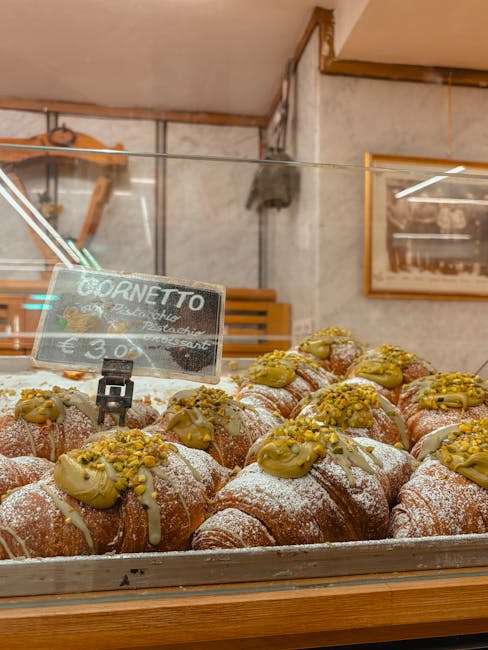
This small neighborhood café focuses on local flavors: Bronte pistachios, almonds and strong coffee. The atmosphere is friendly, with regulars ordering « una granita media » and chatting about local news. If you want a quieter moment, ask for a table inside — but the counter is the heart of the experience.
Bar Pasticceria Spinella (local spot)
Address: Via Etnea, 219, 95131 Catania CT, Italy.
Opening hours: 07:00 – 22:00 daily.
Prices: almond granita €3.50; brioche €1.60; combo ≈ €4.80.
Spinella offers a varied menu and tidy presentations. The almond granita is often served with a strip of candied orange peel, and the brioche — slightly denser — holds up well against the granita without falling apart. It’s an excellent stop before visiting Teatro Bellini or the nearby market.
The ritual and variations: understanding granita and brioche
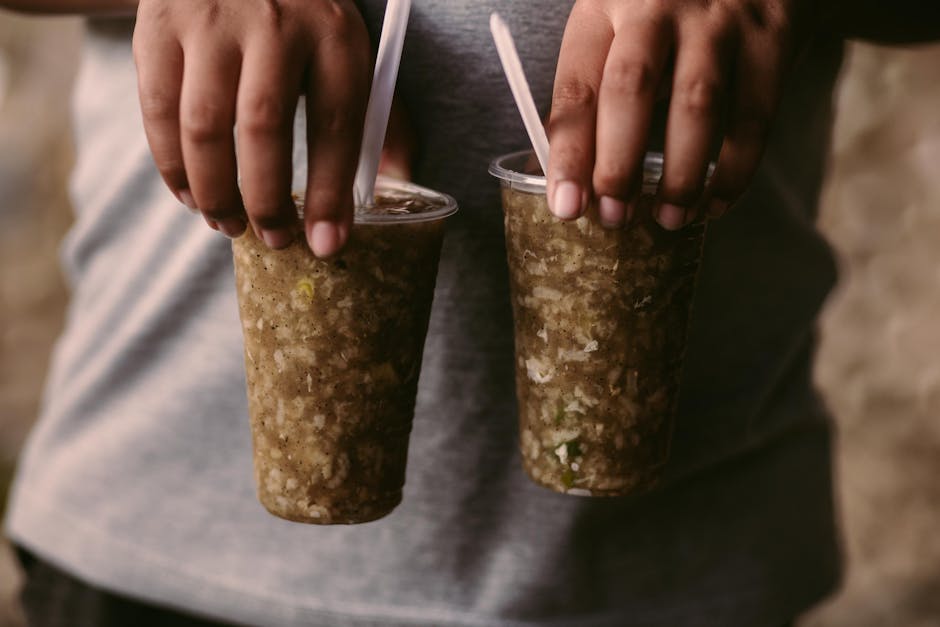
Sicilian granita noticeably differs from what people might expect elsewhere: it varies in grain, density and flavor intensity. In Catania you’ll mainly find three styles. The first is the traditional, grainy style made by slow freezing and manual scraping: each bite has a slight crunch before it melts. The second is a creamier style, used for rich flavors like pistachio or coffee, almost velvety. The third, more modern, is a sorbet-like hybrid — very smooth and ideal for fruity flavors like strawberry or lemon.
When it comes to flavors, some are essential:
- Granita al limone (lemon): refreshing, tart, perfect for hot days.
- Granita al caffè (coffee): bold, sometimes topped with panna (whipped cream).
- Granita al pistacchio (pistachio): intensely flavored, green in color, often made with Bronte pistachios for that local signature.
- Granita alla mandorla (almond): sweet, almost biscuit-like, ideal with a warm brioche.
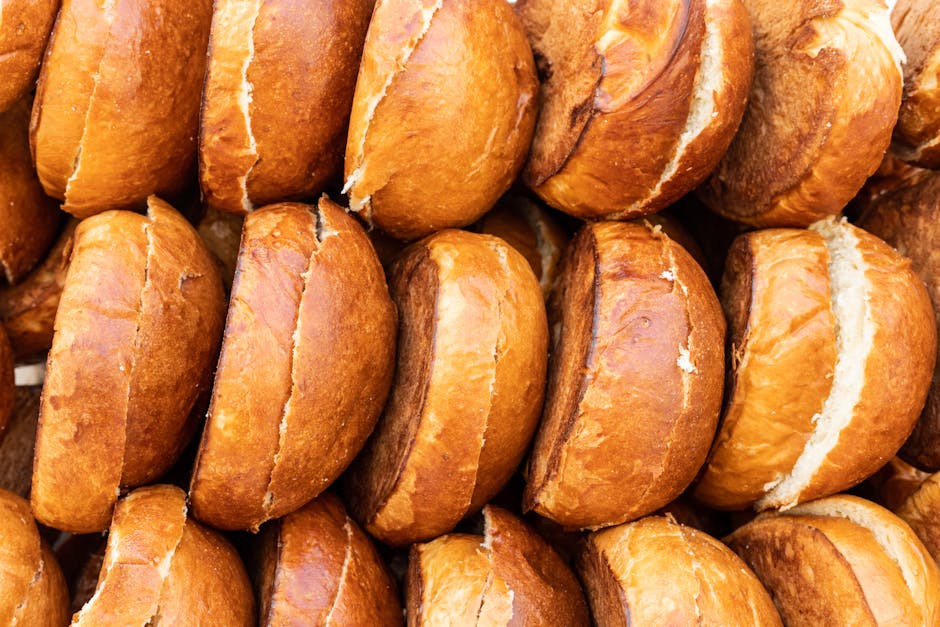
Catania’s brioche (often called brioscia col tuppo elsewhere in Sicily) isn’t just a pastry: its crumb should be airy yet sturdy, warm enough to soak up the granita without falling apart. The traditional way to eat it is simple: split the brioche in two, spoon a generous dollop of granita inside, and eat it like a sandwich. Alternatively, some people simply dip pieces of brioche into the granita with a spoon. The hot-cold and sweet-tart contrast is the essence of the experience.
Recommended tasting route: a walking itinerary through the historic center
To taste like a local, here’s a walking route that mixes monuments with tasty stops. Start at Piazza Duomo, Catania’s beating heart, then head up Via Etnea to the north, making strategic stops along the way. Each step below includes addresses, hours, prices and practical tips to make the most of your Sicilian morning.
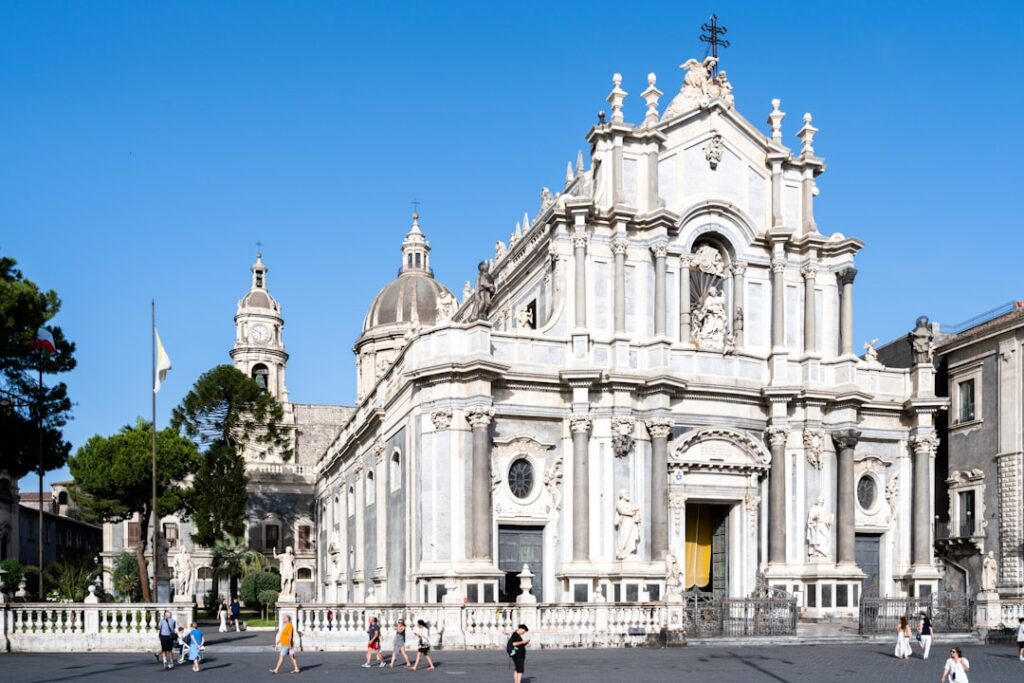
1) Start: Piazza del Duomo, 95131 Catania CT — Admire the cathedral Duomo di Catania (Cattedrale di Sant’Agata, Piazza Duomo), then make your way to the Pescheria.
2) Granita stop at Pasticceria Savia (Via Etnea, 302) — Enjoy a lemon granita with brioche (combo ≈ €4.50). Tip: take it at the counter to soak in local life.
3) Walk to Teatro Massimo Bellini, Via Vincenzo Bellini, 12 — after about a 10-minute stroll you can enjoy a pistachio granita at a nearby café (combo ≈ €5.00) while appreciating the theater’s architecture.
4) End at the Monastero dei Benedettini, Piazza Dante Alighieri, 32 — a great place to walk off the sweetness by exploring the cloisters (guided visits sometimes available, 10:00 – 18:00, entrance usually around €8-€12).
Practical tips for the route: start early (08:00 – 10:30) in summer to enjoy cooler air and avoid crowds. Bring a small napkin; granita can drip. If you want photos, morning light gives beautiful colors on Via Etnea and the Duomo façade. Also, don’t hesitate to ask for « una media » if you want a medium portion — servers generally know this phrase.
Practical tips, seasons and local recommendations
Granita follows the seasons. In summer, lemon, coffee and almond dominate; in autumn and winter you’ll see more variations like hot chocolate granita or candied citrus. Here’s a practical guide to get the most from this culinary duo.
- Best time: May to September for peak refreshment. That said, granita is served year-round — some cafés adjust the texture for colder months (less icy, creamier).
- Budget: Expect €4 – €6 per person for a granita and a brioche at a quality place. Very touristy bars can climb to €7-€8.
- Hours: Bars usually open early (07:00 – 08:00) and close around 20:00 – 22:00. Pastry shops stay open later in summer.
- Language: A simple « Granita e brioche, per favore » will do. For flavors, say « limone », « caffè », « pistacchio » or « mandorla ».
- Allergies: Watch out for tree nuts (pistachio, almond). Ask about ingredient origins if you have allergies.
- Getting around: Most places are walkable from the central station (Stazione di Catania Centrale). Taxis are affordable; agree the fare for short trips if needed.
Local tip: avoid eating granita in direct sun without shade; temperature and quick absorption can alter the way flavors come through. For an authentic moment, sit at the counter and watch the preparation: you’ll often see granita scraped by hand, brioche warm from the oven and the perfect timing between server and customer.
Conclusion — More than a taste: a way of life in Catania
Granita and brioche aren’t just breakfast or a sweet break: they embody a pace of life. In Catania, everyday gastronomy is built around these simple moments shared between neighbors, families and students. Holding a granita in your hand means taking part in a social practice that spans generations and tells the story of a city positioned between sea and volcano. The spots mentioned — like Pasticceria Savia on Via Etnea, neighborhood cafés near Teatro Massimo Bellini, and pastry shops around the Pescheria — are anchors where tradition and know-how are passed down.
If you travel to Catania, make room in your itinerary for these little pauses: they offer more than calories; they offer glimpses of local life, conversations, smells and textures. Take time to watch, ask a server about the recipe, or buy a brioche to share. Prices are reasonable and the experience is accessible: a small investment for a lasting gustatory memory. And remember that every café has its own take on granita and brioche — the best strategy is to hop between places and let yourself be surprised.
Leaving Catania you may take a recipe home, but more likely you’ll carry a memory: the contrast of cold and warm, lemon’s sharpness, pistachio’s roundness, brioche’s sweetness. And if you come back, the city will be there, steady, with its lively Via Etnea, markets and cafés ready to offer you another granita. Buon viaggio e buon appetito — and above all, don’t forget: granita is to be savored slowly, brioche is to be shared.