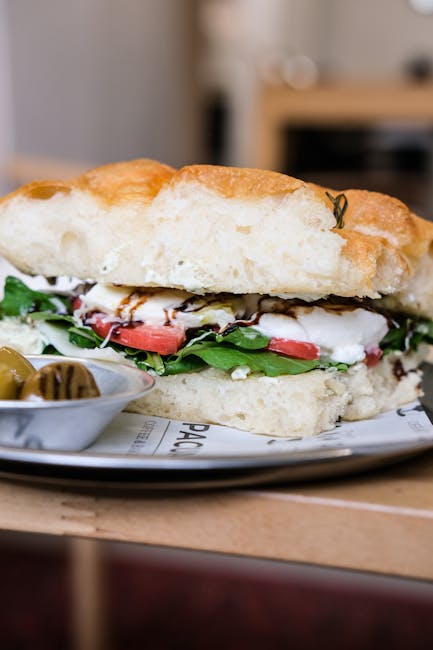






Introduction — Cartocciata: Catania’s Irresistible Stuffed Focaccia
The cartocciata is one of Catania’s proud little icons: a generous focaccia, rolled or folded, usually stuffed with gooey cheeses, local cured meats, roasted vegetables or surprising ingredients that tell the city’s culinary story. In Catania it’s eaten at any hour — as a hearty breakfast, a snack between wandering the Baroque lanes, or an informal dinner shared on a bench while watching the harbor lights. Its humble, practical origins have made the cartocciata a symbol of Sicilian street food, a bridge between peasant tradition and urban cooking.
The cartocciata isn’t just a grab-and-go pizza: it’s the expression of local know-how — mastered dough, the right balance of filling and, above all, perfect baking that yields a crisp crust and a tender, flavorful interior. Each bakery or rosticceria (takeaway specialty shop) has its own recipe, often passed down through generations, with variations ranging from the classic caciocavallo-and-salami filling to bolder modern combos with ricotta, grilled eggplant, or even pistachio accents.
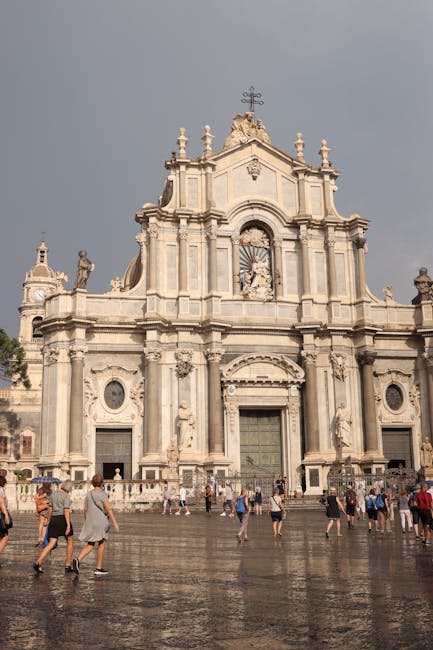
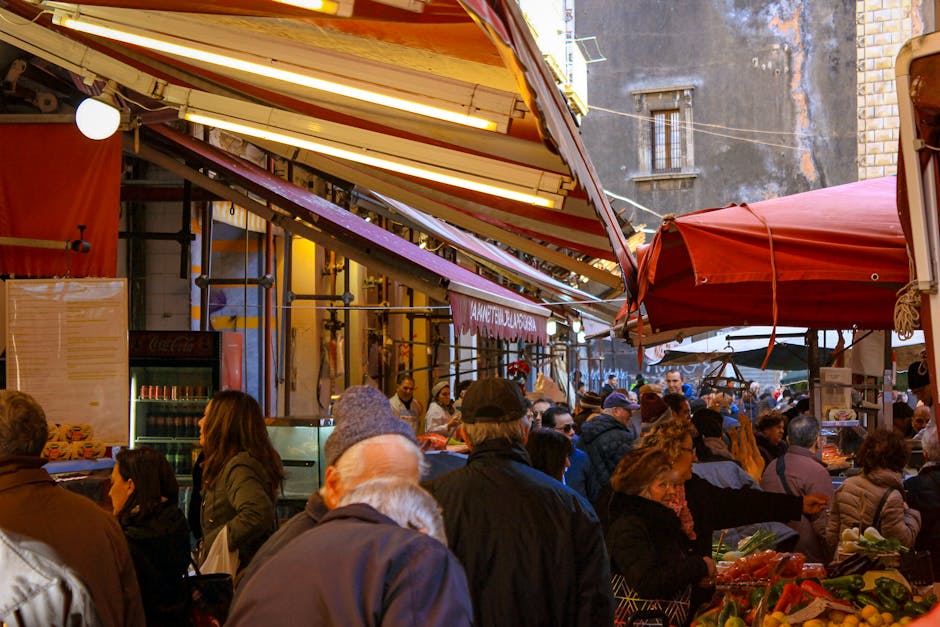
Chasing cartocciata around Catania is also a way to cross neighborhoods full of history: from Via Etnea, the main avenue leading toward Etna, to the lanes behind Piazza del Duomo where the historic market La Pescheria still sounds its daily rhythm. It’s about sitting in front of the Basilica of Sant’Agata, smelling the ovens and biting into a still-warm slice while the cheese stretches and olive oil fills the air. It’s feeling the city — its contrasts and volcanic backdrop — because even the simplest cartocciata carries terroir: local wheat, Sicilian olive oil, island cheeses.
In this article I’ll take you through cartocciata in Catania: its history, the must-try spots (with exact addresses, opening hours and price ranges), a practical guide to spotting a great cartocciata, local tasting tips, and even a detailed recipe so you can try making one at home or simply understand the techniques that make the difference. Along the way you’ll find visual cues to help picture the scene — stone ovens, bakery displays, streets where people eat standing up, the fish market in the morning.
History and origins of the cartocciata: from rural roots to urban innovation
To understand the cartocciata you have to go back to Sicily’s popular eating habits: an island where necessity and conviviality shaped the cuisine. The cartocciata has peasant roots — dough was a handy way to wrap up leftover cheeses, roasted vegetables or cured meats for an easy-to-carry meal. The word “cartocciata” even evokes the rolled or wrapped shape, like a parcel (cartoccio in Italian means package or paper). This economical, practical way to make stuffed bread quickly won over city life, especially in Catania, a major Sicilian port city alive with markets and artisans.
In the 19th century, as Sicilian cities grew, the cartocciata became a staple of rosticcerie and bakeries. Dough artisans refined their techniques: starter, fermentation time and baking temperature are all factors that separate a rustic cartocciata from a light, airy version. In Catania the product also absorbed Arab-Norman influences, from preferred spices to baking methods, and enriched itself with Sicily’s broad cheese repertoire: caciocavallo, ricotta salata, pecorino, as well as local cured meats like salsiccia or soppressata.
The 20th century brought an explosion of recipes: from the “classic” cheese-and-ham cartocciata to variants featuring eggplant alla parmigiana, sun-dried tomatoes, or even sweet elements. Catania’s bakers compete in creativity to draw customers: some places offer cartocciate stuffed with tuna and peppers or even pistachio cream, showing how the specialty can evolve without losing its identity. Yet the cartocciata remains primarily a shared, street-food product; it’s often eaten standing up, right outside the shop, or on the way to the sea and lively squares.
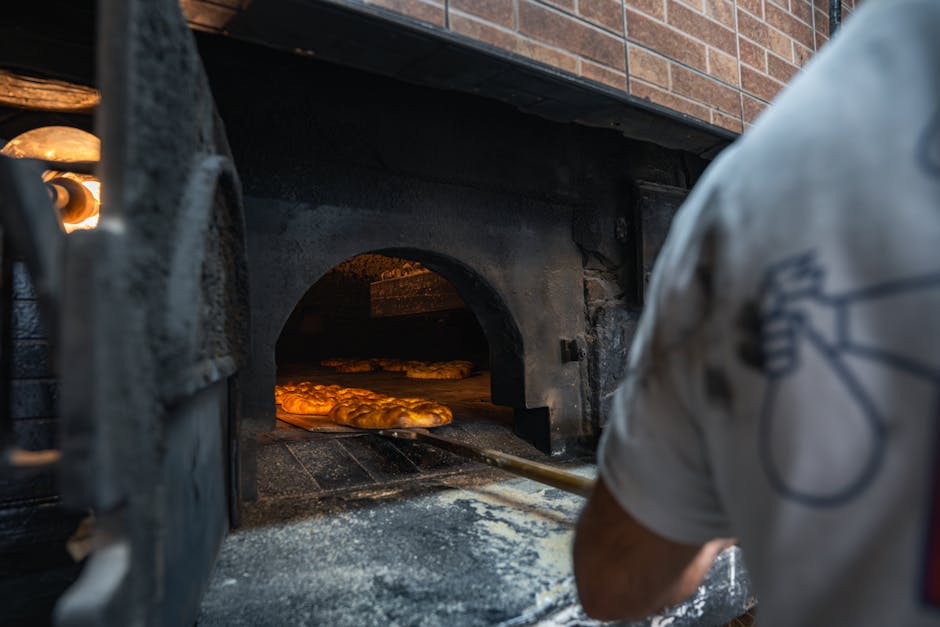
Today the cartocciata is a local gastronomic emblem: you can find it everywhere in Catania, from small family bakeries to modern spots reinventing the classic. But beware: despite its apparent simplicity, quality hides in the details — choice of flour (often selected for a soft crumb), dough rest time, extra-virgin olive oil, and baking in a high-temperature oven to get that characteristic golden crust. These elements explain why it pays to hunt down the right addresses and ask bakers a few questions to find the perfect cartocciata.
Where to taste the best cartocciata in Catania — addresses, opening hours, prices and specialties
Catania is full of bakeries and rosticcerie offering their take on the cartocciata. Here’s a curated list of must-visit spots, tried and recommended, with exact addresses, typical opening hours and price ranges to help you plan your tastings.
- Pasticceria Savia
Address: Via Etnea 302, 95131 Catania CT
Hours: Monday–Sunday 07:00–21:00
Price: simple cartocciata €2.50 – €4.50 depending on the filling
Specialty: cartocciata with melty caciocavallo and local salami, plus sweet ricotta versions for an afternoon treat.
Description: Located on the city’s main artery, Pasticceria Savia is known for fresh products all day long. The cartocciata is often still warm from the oven — the dough is risen and slightly layered. Perfect for a pit stop after walking up or down Via Etnea. - Panificio Graziano
Address: Via Santa Filomena 15, 95131 Catania CT
Hours: Tuesday–Sunday 06:30–14:00 and 16:30–20:00 (closed Monday)
Price: mixed cartocciata €3.00 – €5.00
Specialty: traditional baked goods, cartocciata with grilled eggplant and ricotta salata.
Description: A cozy local shop frequented by neighborhood residents. The dough is hand-worked and baked on a stone hearth; the interior is generous and fragrant. Ideal for a quick lunch before exploring the nearby market. - Antico Forno San Francesco
Address: Via dei Crociferi 18, 95124 Catania CT
Hours: Monday–Sunday 07:00–20:00
Price: cheese/charcuterie cartocciata €3.50 – €6.00
Specialty: rustic cartocciata with caciocavallo, pancetta and roasted peppers.
Description: Located near the Convent of the Crociferi and its Baroque churches, this bakery blends old craftsmanship with modern creativity. Great for a cultural bite: take your cartocciata and sit on the nearby steps. - Rosticceria La Pescheria
Address: Via Teatro Massimo 33, 95131 Catania CT (near La Pescheria market)
Hours: Tuesday–Sunday 08:00–22:00 (closed Monday morning for the market)
Price: seafood cartocciata (tuna/olives) €4.00 – €6.50
Specialty: cartocciata inspired by the sea — tuna, anchovies, capers and olives.
Description: Its location near the fish market directly influences the fillings. The cartocciata here is particularly aromatic and briny, perfect for lovers of marine flavors.
Practical tips for these spots: arrive early if you’re visiting Pasticceria Savia or Panificio Graziano, as morning batches sell out fast; bring paper to keep your cartocciata warm; ask staff whether it’s been just taken out of the oven (the difference is obvious). Prices listed are typical for 2026 and may vary slightly depending on the filling.
Tasting guide: how to spot a great cartocciata and eat it like a local
Eating a cartocciata in Catania is a small ritual. To spot a good one, check the dough first: it should be golden, with regular air pockets and a slightly crisp crust. Inside, the crumb should stay soft and carry the juices of the filling without being soggy. Cheese, if used, should be melty but not greasy; vegetables — eggplant, peppers — should keep their texture and not be overly oily. If you can smell extra-virgin olive oil and fresh herbs like oregano or basil, it’s a good sign.
The first bite should be warm but not scalding: let it rest a moment if needed so the filling settles. Cut or unfold the cartocciata if you want to share; traditionally, many people in Catania eat it with their hands, which adds to its convivial and immediate appeal. Pair it with a lemon granita or an espresso for that classic sweet-salty contrast, or a Sicilian craft beer if you’re enjoying it in the evening.
Other practical tips:
- Ask for the baking status: « just out of the oven » is the best option; some places will reheat on request.
- Avoid overly greasy versions: a well-made cartocciata uses oil to flavor, not to saturate the dough.
- Trust bakers’ combinations: in Catania some pairings are local classics (eggplant + ricotta salata; salami + caciocavallo), others are temporary creations based on seasonal arrivals.
- If you have allergies, make them clear: many fillings contain nuts (pistachio) or fish.
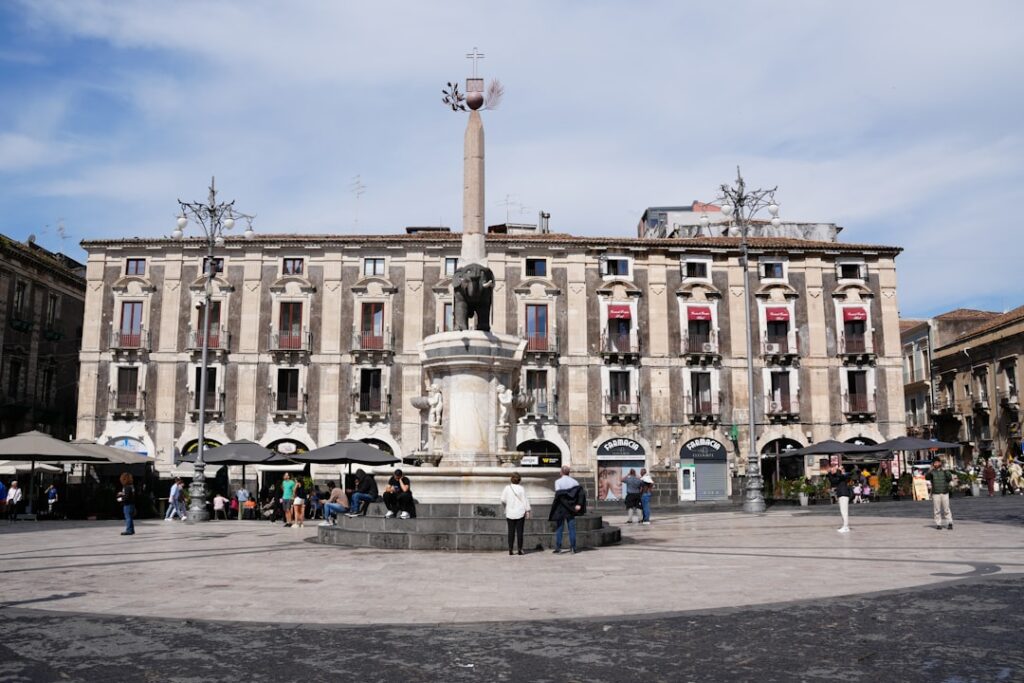
Finally, the setting matters: eating a cartocciata standing in a historic street like Via Crociferi, or sitting on a ledge facing Piazza del Duomo and the Fontana dell’Elefante, adds a sensory layer. Watch the bakers at work: how they pierce the dough to let moisture escape, how they press lightly to distribute ingredients, or how they seal the edges without letting fillings spill — these are signs of a craft refined over time.
Traditional cartocciata recipe and where to buy ingredients in Catania
If you want to recreate a cartocciata at home or just understand the techniques, here’s a detailed traditional recipe and tips on where to source the best ingredients at Catania’s markets.
Ingredients for 4 individual cartocciate:
- 500 g flour type 00 or a mix 00 + semola rimacinata (250 g + 250 g)
- 300 ml lukewarm water
- 10 g fresh yeast or 4 g dry yeast
- 10 g salt
- 30 ml extra-virgin olive oil
- 200–300 g caciocavallo or provola sliced
- 150 g Sicilian salami thinly sliced (optional)
- 1 grilled eggplant thinly sliced (optional vegetable)
- dried oregano, black pepper
Preparation (key steps):
- Make the dough: dissolve the yeast in lukewarm water, mix with the flour and knead 10–12 minutes until you have a supple dough. Add the salt toward the end of kneading. Incorporate the olive oil.
- First rise: shape into a ball, cover with a damp cloth and let rise 1h30–2h at room temperature (about 24–26°C), until doubled in size.
- Shaping: divide the dough into 4 portions, stretch each into a rectangle (about 5 mm thick). Place cheese, cured meat and vegetables in the center. Fold like a wallet or roll into a sealed parcel, pressing edges well to avoid leaks.
- Second rise: let rest 20–30 minutes on a floured tray.
- Baking: preheat the oven to 240–250°C (or your oven’s highest setting). Bake 12–16 minutes until the crust is golden and crisp. For a more authentic finish, a few minutes under the grill at the end give a nice color.
Technical tips:
- Semola rimacinata adds texture and helps the crust brown; if available, mix it with type 00 flour.
- Don’t overload the filling: too much liquid will make the dough soggy. Drain eggplants and tomatoes, and pat ricotta if it’s very wet.
- For an authentic Catania-style cartocciata, favor caciocavallo or smoked provola and a good local olive oil.
Where to buy ingredients in Catania:
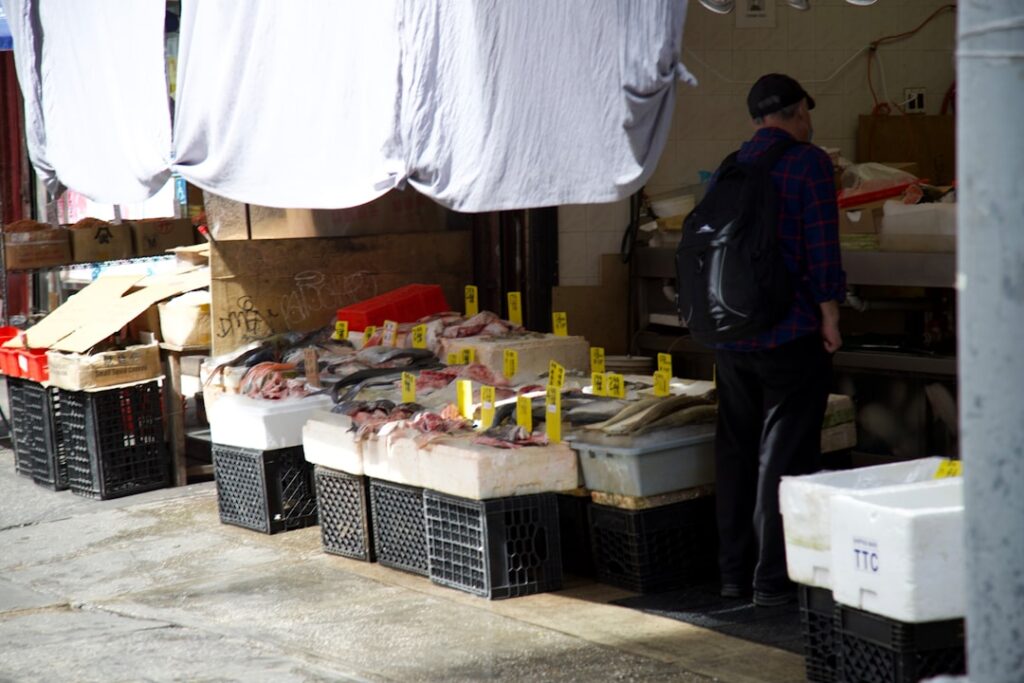
- Mercato di Piazza Carlo Alberto (La Pescheria) — Via Garibaldi, Piazza Carlo Alberto, 95131 Catania CT. Market opens early every morning (06:00–13:00), often winding down after the main activity. Ideal for fresh fish, local vegetables and artisanal cheeses. Prices: cheeses from €6–€9/kg depending on type.
- Mercato delle Pulci (Via Plebiscito and surroundings) — small stalls and delis offering olive oils and condiments. Hours vary, often 08:00–14:00. Local olive oil €5–€20 per bottle depending on quality.
- Formaggeria Alessi — Via Monfalcone 6, 95131 Catania CT. Hours: Tuesday–Sunday 09:00–13:00 and 16:00–20:00. Sicilian cheeses, fresh ricotta and caciocavallo, from about €8/kg for basic products.
Local practical tips: hours, seasons, transport and etiquette
To make the most of your cartocciata hunt in Catania, here are practical tips drawn from local experience:
- Hours: the best cartocciate come out early morning (07:00–09:30) and late afternoon (17:00–19:30). Many places close between noon and 16:00, especially small family bakeries, so plan your visits accordingly.
- Seasonality: fillings change with the seasons. Spring/summer: sun-dried tomatoes, basil, zucchini; autumn/winter: roasted eggplant, aged cheeses, caramelized onions. If you’re after a specific filling, ask at the counter — most bakers will adapt the day’s offerings.
- Transport: Catania is compact; most listed addresses are within walking distance of Piazza del Duomo. For peripheral markets, the city bus network (AMT Catania) is handy; taxis and ride-hailing are available but pricier. Downtown parking is scarce and expensive — better to park on the outskirts and walk.
- Etiquette: eating on the go is not disrespectful — it’s the authentic way to enjoy a cartocciata. If invited to someone’s home, offer to bring a freshly warm cartocciata; it’s always well received. Bring napkins or reusable cloths to cut down on waste.
- Budget: a cartocciata usually costs between €2.50 and €7.00, depending on filling and the shop’s reputation. For a complete on-the-go meal, budget €4–€7.
Finally, don’t hesitate to ask locals for recommendations — people from Catania are proud of their bakeries and love sharing their favorites. A simple “Where can I eat the best cartocciata?” will often open the door to authentic tips and off-the-beaten-track spots that hold the tastiest surprises.
Conclusion — Take a bite of Catania with every mouthful
The cartocciata is both a dish and an experience: it tells the story of Catania with rustic flavors, a spirit of sharing and culinary inventiveness. Each address reveals a different side of the city — from historic bakers on Via Etnea to small rosticcerie near La Pescheria, to artisans mixing tradition with daring. Tasting a cartocciata is following a sensory route: feeling the still-warm dough, hearing the crackle of a golden crust, watching the cheese stretch and savoring a moment like a local.
This guide has offered precise addresses, practical hours, price ranges and a detailed recipe so you can better understand why the cartocciata holds a unique place in Catania’s food scene. Whether you’re in town for a weekend or planning a longer stay, take the time to wander the streets, step into bakeries, ask questions and accept shopkeepers’ recommendations — they’re the ones who hold the tricks for the perfect cartocciata.
To finish, a few practical reminders: pick quieter times for a more relaxed tasting (morning or late afternoon), protect yourself from heat if you’re eating outside in summer, and remember that the best culinary memory isn’t always the most expensive one but the one that combines quality, warmth and context. Take with you the image of a city where street food is a daily celebration — and let a cartocciata deliver the authentic taste of Catania, one bite at a time.