





Introduction: Why Catania Makes the Perfect Base for Bikepacking in Sicily
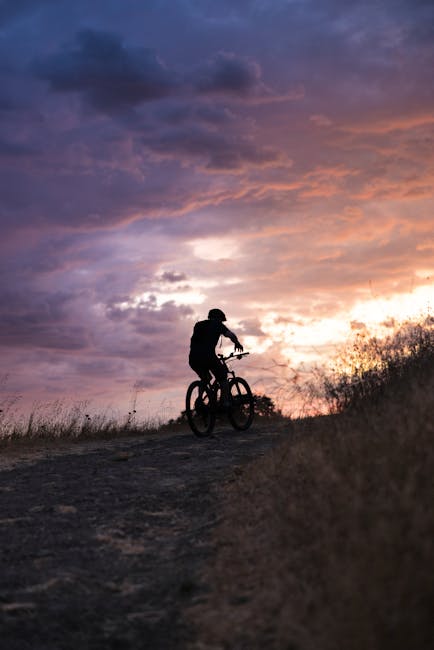
Catania, Sicily’s second-largest city and the industrial and cultural hub of the east coast, is a great launch point for a self-supported bikepacking trip. Nestled at the foot of Mount Etna, facing the Ionian Sea and connected by coastal and inland roads to outstanding natural and historic sites, Catania offers a rare mix: close access to volcanic mountains, scenic seaside roads, UNESCO-listed baroque towns and agricultural plains dominated by citrus groves and vineyards. For a cyclist carrying bags, that means varied days, big altitude changes, routes that can be technical as well as long recovery stretches.
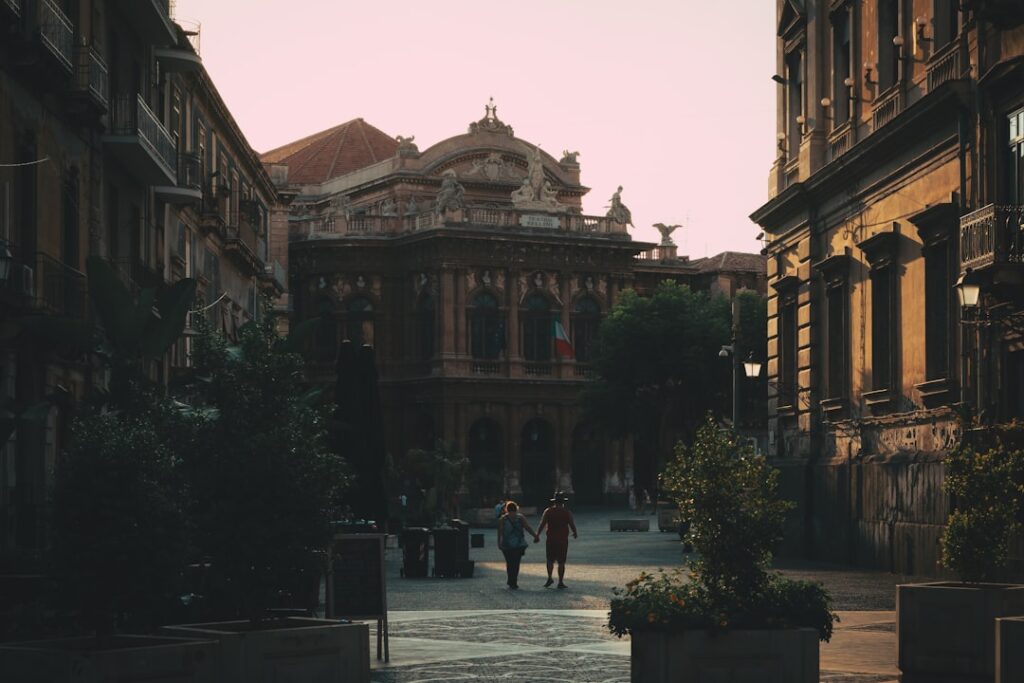
Starting a bikepacking route from Catania also means you can gear up, get repairs done, stock up on supplies and enjoy generous Sicilian food before heading out for several days on your own. Piazza del Duomo (Piazza Duomo, 95124 Catania CT), with Cattedrale di Sant’Agata, street vendors and cafés, is a logical spot to finish your checklist: last-minute pump, CO2 cartridges, high-energy food, water bottle. Workshops like « Bici Point Catania » or « Catania Cicli » (check opening hours) sell kit and can help with fittings: a spare inner tube, a multi-tool, a compact hand pump and brake pads suited for Etna descents are essentials.
A typical route from Catania can include climbing Etna’s southern flank up to Rifugio Sapienza, crossing volcanic valleys, dropping down to the coast and heading north to Taormina, or heading out towards the Alcantara Gorges and the Etna North Nature Reserve. Daily distances suit bikepacking rhythms: between 30 and 90 km per day depending on terrain, but altitude changes can make a short stage very demanding. Best season runs April to June and then September–October: moderate temperatures and either blossoming landscapes or harvest-time scenery.
This article lays out a detailed, practical and immersive three- to four-day itinerary in a loop or as separate segments from Catania, including exact start and end addresses, useful opening hours (museums, refuges, train stations), approximate prices in euros, sensory descriptions of places and local tips to ride safely and get the most out of the trip. Each section highlights scenery, food stops, resupply points and bike-friendly lodging options. Whether it’s your first time in Sicily or you already know the region, this guide gives you a complete roadmap to make Catania your bikepacking base and enjoy unforgettable days on Sicilian roads.
Preparations and Logistics in Catania: Gear, Repairs and Last-Minute Supplies
Before leaving Catania, sorting your gear and logistics is crucial. First, visit a bike shop or workshop for a full check-up: « Catania Cicli », Via Vittorio Emanuele II 256, 95131 Catania CT (open Tuesday to Saturday, 09:00–13:00 and 15:30–19:30). Indicative price for a basic tune-up: between €15 and €35. If you need specific parts (29″ tubeless tyres, compact chainring, waterproof panniers), prioritize larger shops or contact « Bici Point Catania » in the city center, Via Etnea 123, 95131 Catania CT (hours 09:00–13:00 / 16:00–20:00). Expect €5–15 for an inner tube, €25–60 for a quality tyre.
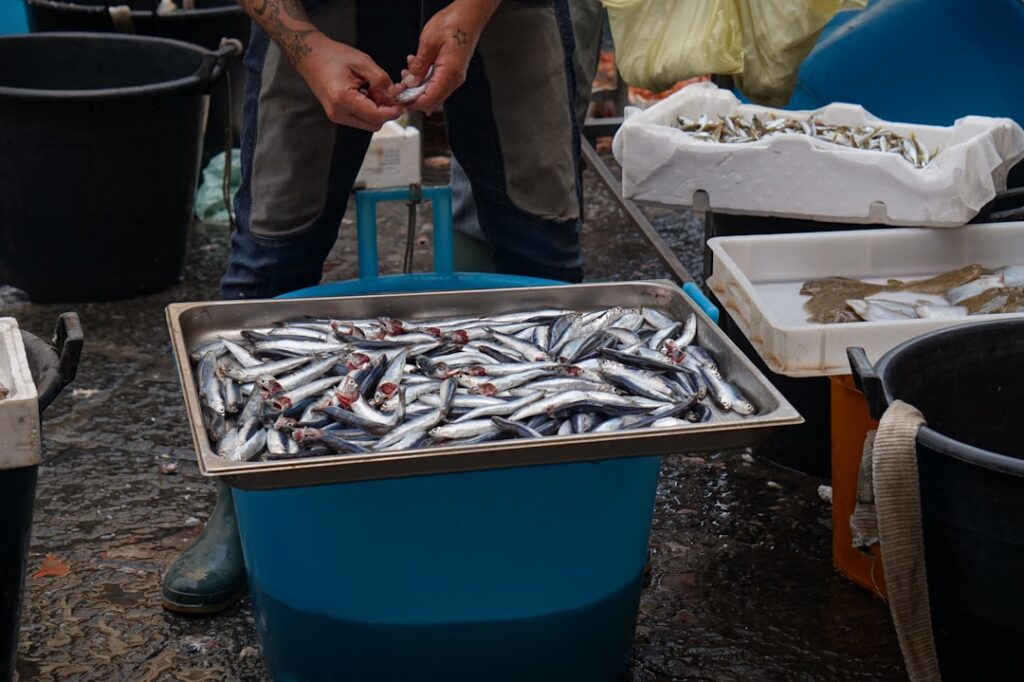
For food and last-minute resupply: La Pescheria market (Piazza del Duomo, corner Via Pardo) is iconic and perfect for buying fresh produce, fruit, bread and cheese (open early until about 13:00, some stalls close in the afternoon). For dry goods, bakeries and supermarkets like Conad City (Via Etnea 249, 95131 Catania CT; open 08:00–20:30) stock bread, energy bars, pasta, water and isotonic drinks (prices: 1.5 L water roughly €0.50–1.00, 500 g pasta roughly €0.80–1.50).
If you plan to tackle Etna, check the weather and road conditions with the « Parco dell’Etna – Centro Visite Rifugio Sapienza », Strada Provinciale 92, 95030 Nicolosi CT (information office open 09:00–18:00, phone +39 095 912 345, seasonal hours). The Funivia dell’Etna cable car from Rifugio Sapienza (Strada Statale 192, 2, 95030 Nicolosi CT) runs at times but is often closed or limited depending on volcanic conditions: round-trip fares roughly €30–45 depending on season; hours vary (check online or on site).
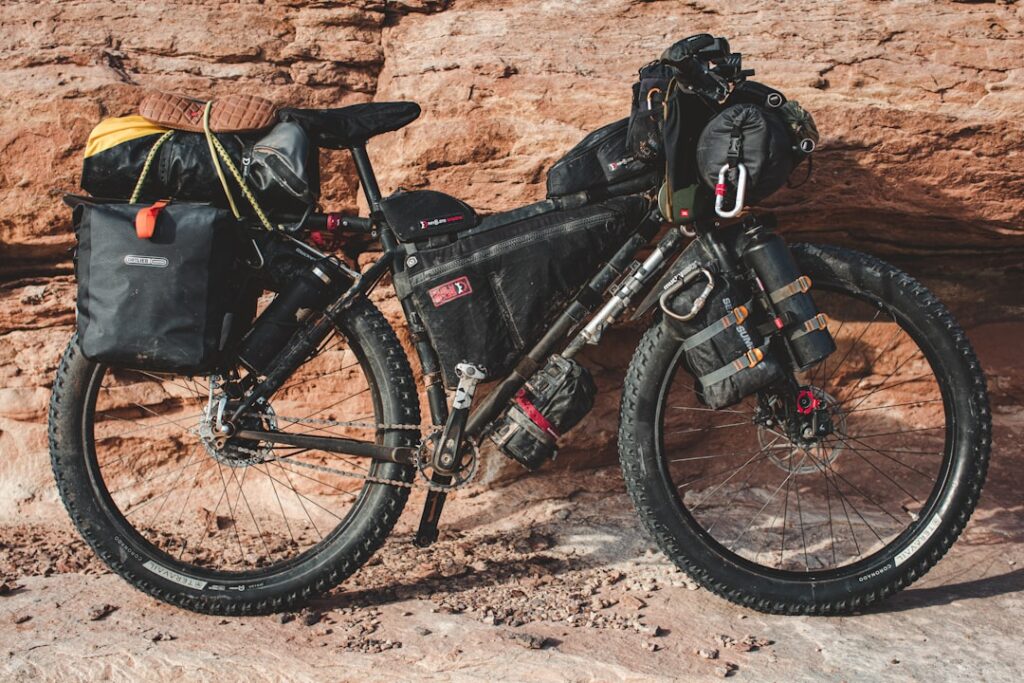
Packing tips: aim for a light load (8–12 kg of luggage) with weight kept low and centered. Bring a basic first-aid kit, an emergency blanket, a headlamp, breathable rain gear and a warm windproof jacket for Etna (temperatures drop quickly above 1,500 m). For navigation, combine GPS with paper maps: download offline maps (Komoot, Ride with GPS) and note resupply points (petrol stations, cafés) every 30–50 km in rural areas.
Day 1: Climb to Etna and Overnight at Rifugio Sapienza (or Nicolosi)
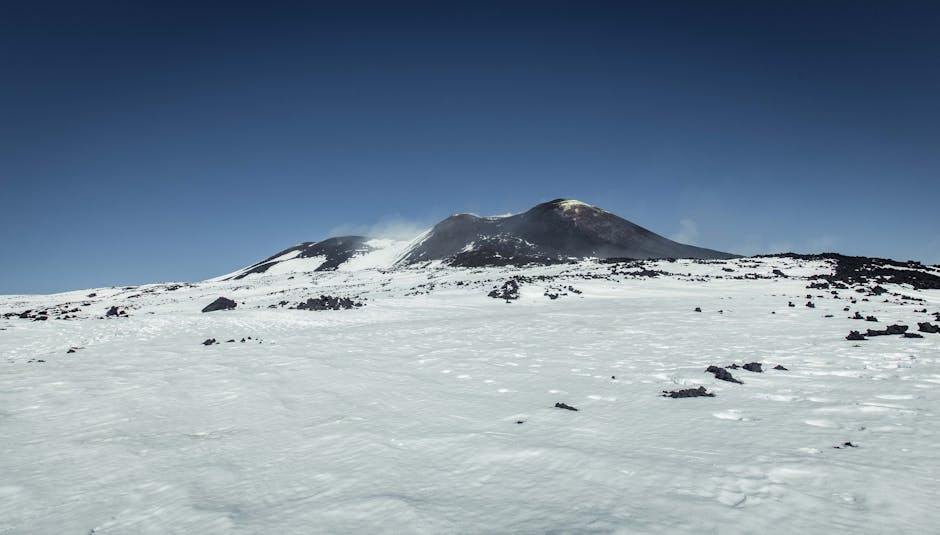
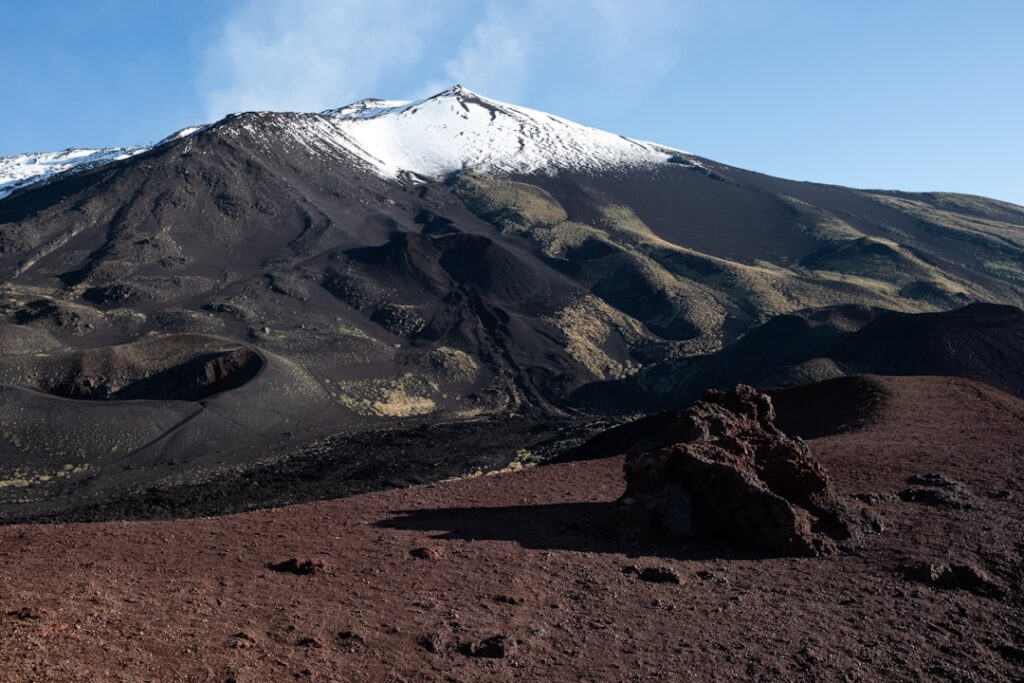
Start early from Catania (Piazza Duomo, Piazza del Duomo, 95124 Catania CT) and take the SP92 toward Nicolosi: it’s a demanding climb of roughly 35–45 km with significant elevation gain (1,200–1,500 m depending on your exact route). The road winds through industrial suburbs and citrus farmland before entering the volcanic zone. Arrival at Rifugio Sapienza (Strada Provinciale 92, 95030 Nicolosi CT) marks the start of Etna Park and showcases otherworldly lunar panoramas.
On the way, stop in Nicolosi for coffee and a final resupply: Bar Pasticceria Pietro, Via Roma 15, 95030 Nicolosi CT (open 06:30–20:00). As you approach the park, the road narrows and the vegetation changes: pines, junipers and old lava flows create a wild atmosphere. Gravel bikes or mountain bikes are preferable for lava tracks and side trails; road bikes handle the main road but watch for loose gravel.
At Rifugio Sapienza you’ll find essentials: bars, restaurants and information points. Address: Rifugio Sapienza, Strada Statale 192, 2, 95030 Nicolosi CT. Reception hours usually 08:00–18:00 but vary seasonally; phone +39 095 920 000 (check ahead). If you don’t want to camp, Rifugio Sapienza offers rooms from about €40–70 per night; prices rise in high season. If the cable car is running and you want to go higher without pedaling, expect around €30–45 for a return trip.
Activities and safety: several marked trails leave the refuge for hikes or short MTB explorations among recent lava flows. Pay attention to rapidly changing weather: fog, rain and strong winds are not uncommon. Get up-to-date info at the « Centro Visite dell’Etna » (address above) about summit craters and follow safety guidelines. Plan a quiet evening: the night sky, far from city lights, is excellent for stargazing and you may sometimes glimpse volcanic glow from the summit.
Day 2: From Etna’s Slopes to the Ionian Coast — Taormina and Its Riviera
After breakfast, descend to the coast via the SP92 then onto the SS114 toward Taormina. The descent can be technical in spots: well-maintained brakes are a must. You’ll pass villages like Zafferana Etnea (Via Roma, 95019 Zafferana Etnea CT), where you can try Etna honey directly from local beekeepers (300 g jar about €6–10). The panoramic road invites plenty of photo stops: views of the Ionian Sea with Etna looming in the background.
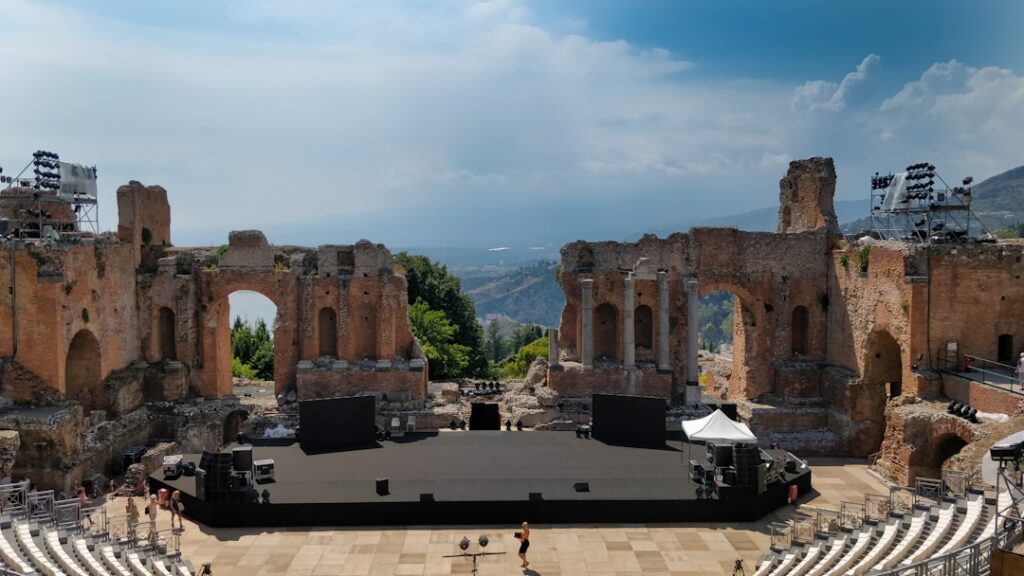
Once in Taormina, take time to visit the Teatro Antico di Taormina (Via Teatro Greco, 1, 98039 Taormina ME). Opening hours vary but are generally 09:00–19:00 in high season; entry around €10–12. The theatre terrace offers one of the most famous views over Giardini Naxos bay and Mount Etna. For lunch, Trattoria da Nino (Via Nazionale, 23, 98039 Taormina ME) serves traditional Sicilian dishes; starters/main courses range roughly €8–20.
Taormina is busy with tourists: finding bike parking or a bike-friendly place to stay can take time. For a cheaper option, head down to Giardini Naxos (Lungomare Naxos, 98035 Giardini Naxos ME) which has seaside lodgings. If you keep going with your bikepacking plans, the coast offers a scenic road to Capo Taormina and toward the mouth of the Alcantara Gorges. Sea breezes can be strong in the afternoon; plan your riding accordingly.
Practical points: Taormina-Giardini train station (Via Luigi Pirandello, 98039 Taormina ME) is useful if you plan to stash your bike and take a train to Catania or Syracuse; regional fares for short journeys are about €3–8 depending on distance. At day’s end, watch the sunset from Isola Bella (Isola Bella Nature Reserve, via Nazionale, 98039 Taormina ME), a small island reachable on foot at low tide; entrance to the reserve is roughly €3–5 depending on season.
Day 3: Alcantara Gorges and Return Route to Catania via Baroque Villages
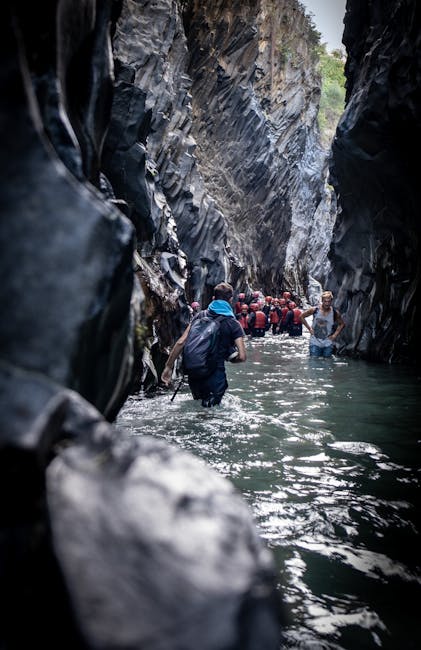
From the Taormina/Giardini Naxos area, head to the Gole dell’Alcantara (Alcantara Gorges), a spectacular geological attraction. Main site address: Parco dell’Alcantara, Via Nazionale, 98030 Motta Camastra ME. Seasonal opening hours usually 09:00–19:00 in summer; entry fee around €4–7. The park has a balcony trail and descents to the riverbed — perfect to cool off after a day of cycling. Waterproof shoes or closed sandals are recommended for exploring the basalt formations.
The next leg can be more relaxed: ride west toward Randazzo (Piazza Duomo, 98036 Randazzo CT), a medieval town dominated by lava-built churches. Randazzo is a good lunchtime stop; try Osteria degli Aragonesi, Via Roma 12, 98036 Randazzo CT (open 12:00–15:00 and 19:00–23:00; main dishes €10–18). The town’s streets and lava architecture offer a striking contrast after the coastal scenery.
Then take the SP17 and SP84 toward Paternò to reach the Catania plain, passing agricultural landscapes and orchards. If you prefer a cultural detour before returning to Catania, swing by Caltagirone (Piazza Municipio, 95041 Caltagirone CT), famed for its ceramics and the monumental staircase of Santa Maria del Monte (Scalinata di Santa Maria del Monte, Piazza Municipio). Local museum hours vary; many ceramics workshops open 09:00–13:00 and 16:00–19:00. Workshop visits are usually free; demonstrations sometimes cost €3–5.
Back in Catania: enter via Via Etnea for city views with Etna in the distance. For a convivial final meal, dine at Trattoria del Cavaliere (Via Vittorio Emanuele II, 258, 95131 Catania CT) or Osteria Antica Marina (Via Pardo 30, near La Pescheria) for fresh fish of the day (main fish dishes around €12–20). Don’t forget a last mechanical check if you’re catching transport or leaving luggage in storage.
Local Practical Tips, Safety and Bike-Friendly Accommodation
Riding in Sicily means adapting to local specifics: narrow roads, sometimes hurried drivers and variable surfaces. Always obey signs and wear a certified helmet (mandatory for young riders in some countries and strongly recommended for everyone). Prefer morning hours for mountain sections (less traffic, cooler temperatures) and avoid the hottest midday sun in summer. Carry a reflective vest for night descents and a quality front and rear light (roughly €20–50 for a set).
Accommodation: Catania and the surrounding area offer bike-friendly options. Hostels and B&Bs often accept bikes if notified in advance:
– Ostello degli Elefanti, Via Etnea 23, 95131 Catania CT (dorm beds €18–30, private rooms €50–80; breakfast often included).
– B&B La Finestra sul Mare, Via Cardinale Dusmet 2, 95121 Catania CT (rooms €50–90).
Always contact hosts beforehand to arrange secure bike storage. Campsites around Etna commonly have tent pitches and showers: Camping Etna, Contrada Pennisi, 95015 Linguaglossa CT (tent pitch €10–18).
Safety and local rules: the municipal police (Polizia Municipale di Catania, Piazza Giovanni Verga 1, 95100 Catania CT) can help with incidents or lost items. Emergency number: 112 for general emergencies. For hikes in volcanic areas, obey barriers and warnings from Parco dell’Etna; terrain near active cones can be unstable. Before you go, leave your approximate route and overnight stops with a local contact.
Food and water: in rural areas, carry at least 2–3 L of water per person for sunny stages; refill in villages whenever possible. Local markets (e.g., La Pescheria) and corner shops are great sources of local specialties: arancini (€3–4 each), cannolo (€2–4), local goat cheeses (around €6–12 for 300 g).
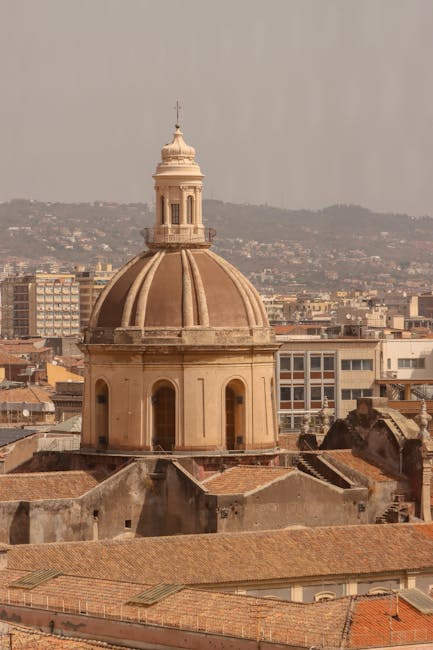
Respecting heritage: when visiting sites and monuments like Cattedrale di Sant’Agata (Piazza Duomo, 95124 Catania CT; visiting hours usually 08:00–19:00, religious services may limit access), the Teatro Antico di Taormina, or Castello Ursino (Piazza Federico di Svevia, 95131 Catania CT; museum hours 09:00–19:00, entry around €6), leave places clean and follow site rules. These sites are an essential part of the Sicilian experience and deserve care so future generations of cyclists can enjoy them.
Route Variations and Possible Extensions from Catania
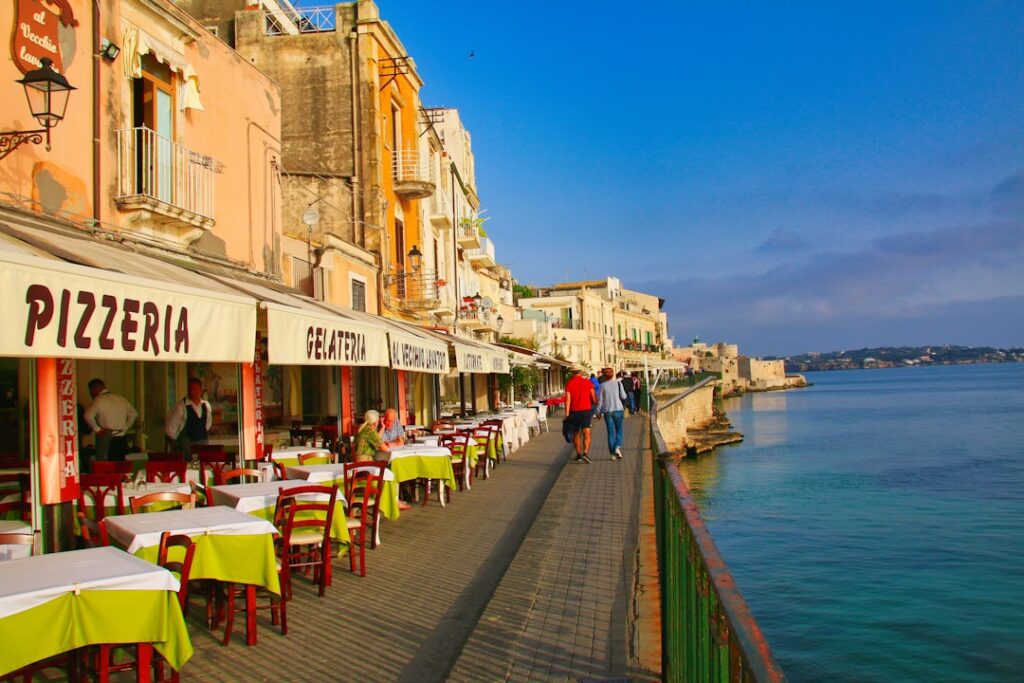
Depending on how much time you have and what you want, Catania enables several rewarding extensions. For sea lovers, a loop to Syracuse (Siracusa) and Ortigia is doable: Catania → Siracusa (about 70 km via the SS114); Ortigia (Piazza Duomo, 96100 Siracusa SR) has a compact historic center. Visit Cattedrale di Siracusa (Piazza Duomo, 96100 Siracusa SR; open 09:00–19:00) and stroll the waterfront. Regional trains let you extend or shorten a route: Catania−Siracusa fares about €4–6.
For a baroque immersion, head to Val di Noto (Modica, Ragusa, Noto); these towns shine with architecture and gastronomy. Example: Catania → Noto (about 90 km) to see Cattedrale di San Nicolò (Piazza Municipio, 96017 Noto SR); cathedral access is usually free, guided tours of local monuments €3–8. Roads to the southwest are flatter but often longer; plan resupply and lodging accordingly.
If you have more time, crossing to the western coast toward Palermo is possible but turns the trip into a long-distance ride. For a true touring raid, combine coastal and inland segments, alternating quiet beaches and volcanic mountains. Each variant needs extra planning for water and repair points: list bike shops in major towns you’ll pass (Catania, Siracusa, Ragusa, Palermo).
Conclusion: Experience Sicily by Bike from Catania
Setting out on a bikepacking trip from Catania means choosing an adventure that blends intensity, natural diversity and cultural richness. In just a few days you can move from Etna’s lunar panoramas to baroque alleyways, from beaches to deep gorges: each stage delivers different sensations, from citrus scents to salty sea air, technical roads to quiet pine-shaded tracks. As a logistical base, Catania brings together essentials: bike workshops for repairs and kit, markets for fresh resupply, suitable accommodation and convenient road and rail links to tailor your loop.
Your bikepacking success will depend on preparation: the right kit, a mechanical check, choosing routes based on weather and personal fitness. Beyond the technical side, openness to encounters — with locals, artisans and restaurateurs — is what turns a sporting trip into a deeply human experience. Tasting Etna honey from a beekeeper in Zafferana, watching the sunset from Taormina’s Teatro Greco, listening to the echoes of an old lava flow in the Alcantara Gorges are moments that stick with you.
Finally, Sicily asks for respect: protect nature, follow local rules and preserve heritage, minimize waste and support local businesses so these places remain accessible and beautiful for cyclists to come. Whether you’re out for a weekend escape or a longer crossing, Catania is the perfect gateway to turn bikepacking dreams into real, unforgettable routes. Safe travels, pedal carefully and savor every climb and every descent — Sicily by bike is waiting for you.