






Introduction — Grilled stigghiole and the scent of Catania’s alleyways
In the warm, buzzing lanes of Catania, the smell of grilled stigghiole cuts through the salty haze rising from the harbor—an unmistakable promise of rustic indulgence and authenticity. Stigghiole—small lamb intestines wrapped around a twig or skewer and grilled over hot coals—are a beloved specialty of Sicilian street food, and in Catania they tell a story of markets, nightlife and chance encounters. This humble street fare, unpretentious and straightforward, captures the city’s spirit: a blend of land and sea, modest ingredients transformed into deep pleasure thanks to the mastery of fire and a pinch of salt.
Wandering through Catania’s historic center means following your nose—hot oil, lemon, herbs, and above all stigghiole. These aromas mix with the scent of fresh fish at the Pescheria stalls (Piazza del Duomo), the morning coffee drifting around Teatro Massimo Bellini (Via Vittorio Emanuele 182), and the volcanic breath of Etna visible from the heights. Stigghiole are more than a dish: they’re a social ritual. People eat them standing, wrapped in paper or served on makeshift plates, often with a glass of local red wine or a cold beer. Street vendors, small fry shops and certain market stalls keep the tradition alive, passing techniques down through generations.
To fully appreciate this sensory and culinary spectacle, you need context: Catania wakes early for merchants and lights up again at night for strollers. Stigghiole mainly appear in the evenings—after the Pescheria has put away its nets—or during religious and popular festivals. They accompany heated conversations on the steps of a baroque church, reunions of friends, and nighttime visits from curious travelers. In this guide I’ll lead you through Catania’s lanes, point out where to sniff and taste grilled stigghiole, give addresses and opening times, practical tips for newcomers, and evocative images to help you picture these lively scenes.
The Pescheria and surroundings: the epicenter of aromas
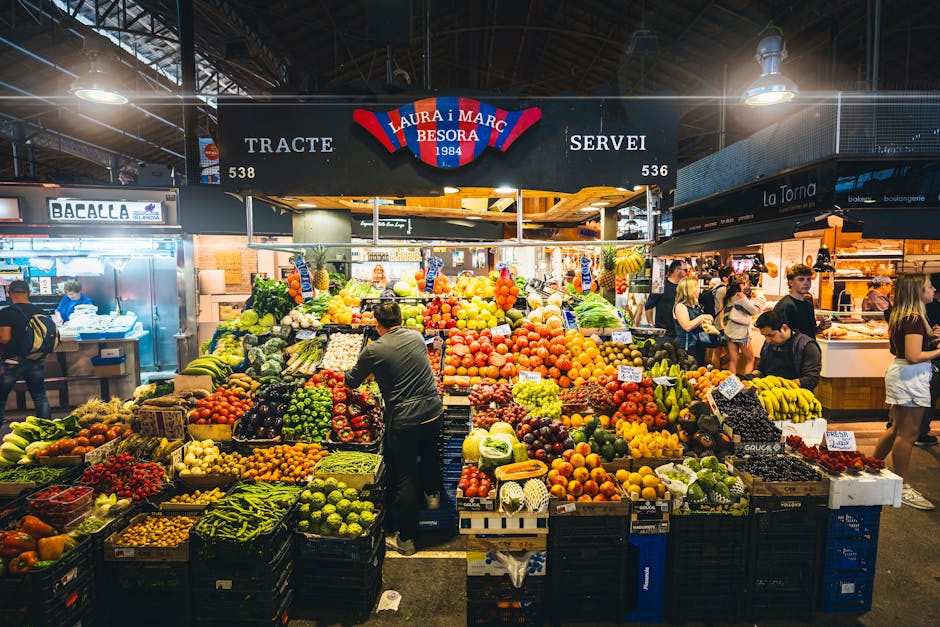
Catania’s Pescheria is more than a market; it’s a sensory theater at the heart of the city, facing the majestic Cattedrale di Sant’Agata (Piazza del Duomo, 95131 Catania CT). The market’s exact address is Piazza del Duomo, 95131 Catania CT. Open mainly in the mornings from Monday to Saturday, roughly between 07:00 and 14:00, the Pescheria fills its stalls with fish and shellfish while the surrounding alleys start preparing for the evening crowds. Although stigghiole are mostly an evening specialty, the Pescheria remains the perfect starting point: here you’ll catch the characteristic mix of fish, citrus and sea spray that makes the scent of stigghiole so striking once the grills start firing up later.
Several small friggitorie and market stalls around the Pescheria serve or prepare improvised stigghiole in the evenings. Streets to explore around the Pescheria include Via Pardo, Via Garibaldi and the little labyrinth behind Via Etnea. The best time to follow the scent, and often to find freshly grilled stigghiole, is between 18:00 and 23:00, especially on Friday and Saturday nights. Prices vary by quantity: expect roughly €3–6 for a simple portion (one or two skewers), and up to €8–12 if you opt for a more generous plate with bread and a glass of wine.
Practical tips: don’t rush, carry cash—many street vendors prefer cash—and be ready to eat standing or perch on a windowsill. If strong smells make you uneasy, start with a single bite: grilling often tames the sharpness and reveals a slightly sweet, caramelized grill flavor to the intestines. And don’t forget wet wipes—coal and street food can get messy.
Baroque lanes and grilling spots: Via Etnea and Piazza Stesicoro
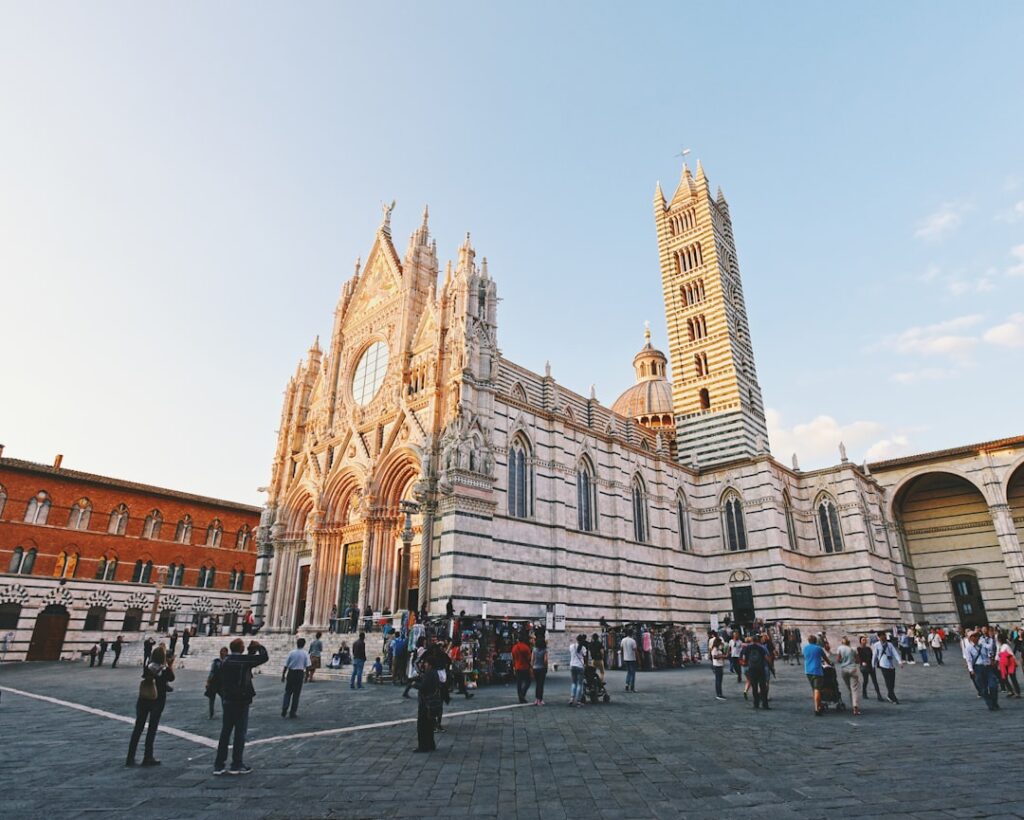
Via Etnea, the main avenue running north–south through Catania, links baroque monuments to everyday life. Heading down Via Etnea toward the south, you’ll pass landmarks like the Teatro Massimo Bellini (Via Vittorio Emanuele 182, 95131 Catania CT; box office hours vary by programming, typically 10:00–13:00 and 17:00–20:00 on show days) and Piazza Stesicoro (Piazza Stesicoro, 95100 Catania CT), near Roman ruins. It’s in the side streets and small squares that the grills come alive: coals in tiny barbecues, skewers turning, locals gathering after dinner.
Stigghiole in this area are often sold from informal stands during the warmer season (spring through autumn), usually between 19:00 and 23:30. Prices are similar to the center, around €4–7 per portion. Narrow alleys amplify the aroma: smoke clings to the baroque facades, creating an almost theatrical atmosphere—perfect for photos and for feeling the dense historic character of Catania. For a fuller experience, pair your tasting with a visit to Castello Ursino (Piazza Federico di Svevia, 95131 Catania CT; generally open 09:00–19:00, adult fee about €6) to take in some history before returning to the bustling streets.
Local practical tips: wear comfortable shoes—paving stones can be uneven—and be prepared to share space with scooters and hurried residents. Always ask the vendor about available toppings: lemon, parsley, chili or bread on the side. If your appetite is small, order a single skewer to taste; the flavor intensity is usually enough to either win over or put off a newcomer.

Preparation standards and variations: understanding stigghiole
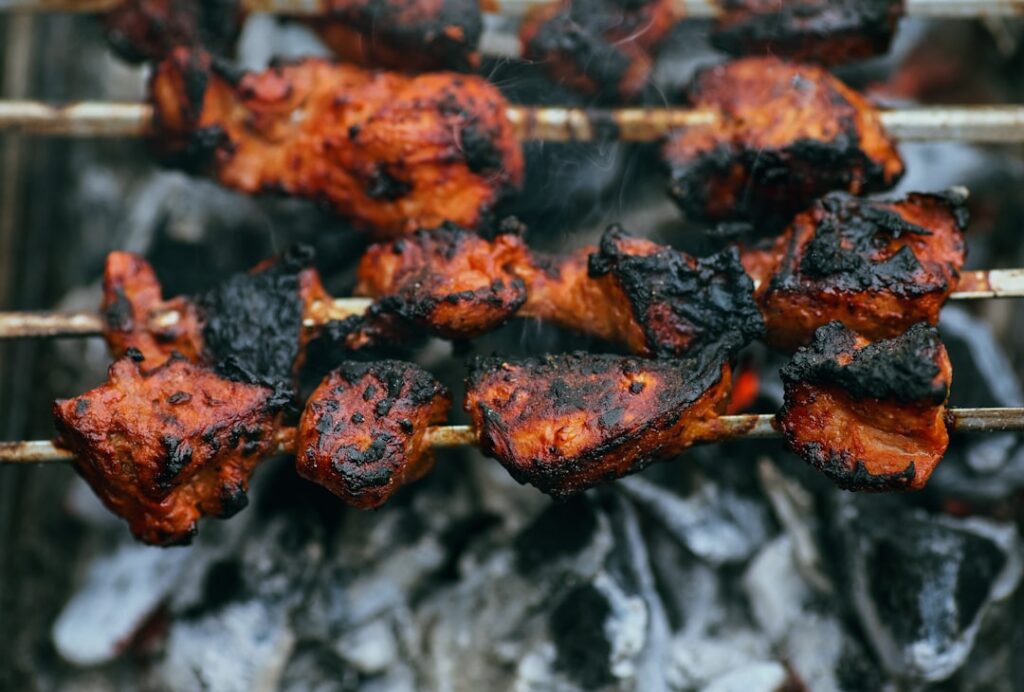
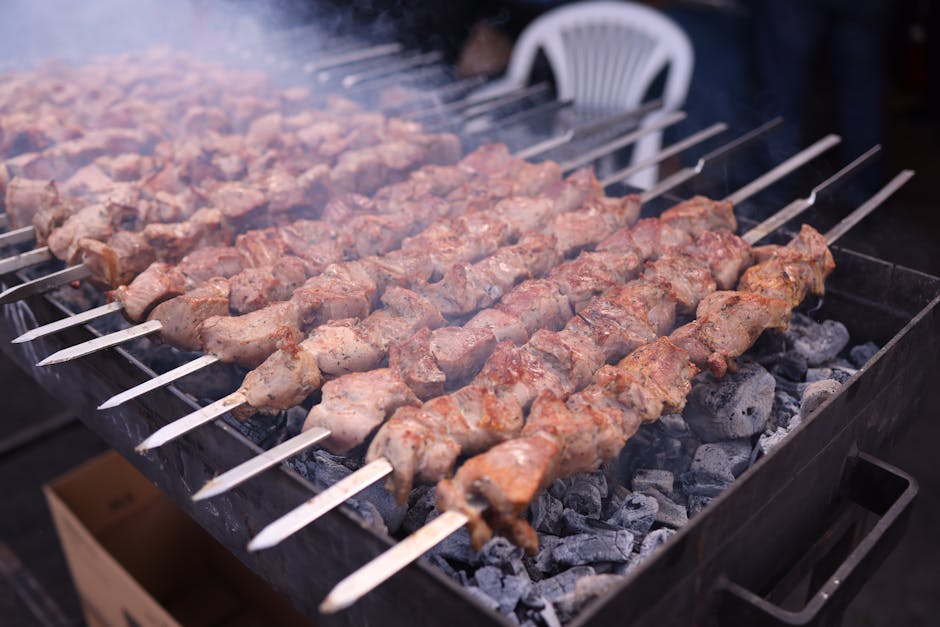
Though they may seem rustic, stigghiole follow a careful preparation process. Lamb intestines are rinsed several times, sometimes blanched to remove strong odors, then quickly seasoned or simply sprinkled with salt. They’re wrapped around a myrtle branch or small stick and set over coals. Direct contact with the flame gives a crispy exterior and a tender interior; fire is central—it transforms humble ingredients into a complex treat. You’ll also find variations: whole lamb intestines (stigghiole intere), mixed skewers with heart and liver, or spicy versions using local chili.
In Catania, quality relies on freshness and grilling technique: a good vendor knows how to cook them without making the texture rubbery. The choice of wood or charcoal affects the flavor; some prefer peach or myrtle wood for a gentle, slightly fruity smoke. Classic accompaniments are fresh lemon (squeezed at the last moment), chopped parsley, and sometimes a simple oil-and-garlic sauce. A single portion can be eaten in a few bites but delivers a spectrum of flavors: salty, smoky, slightly fatty, and brightened by lemon.
Indicative prices and tips: expect to pay €3–8 depending on portion and location. If the heat worries you, let it cool for a minute; however, eating right off the grill is the most prized experience. Travelers with dietary restrictions should note that stigghiole are typically cooked on shared equipment; avoid them if you have severe allergies or red meat intolerances. If you prefer to sit down and have a more refined presentation, look for small traditional trattorie that may offer a reimagined version of stigghiole on the menu.
When to go and how to combine the tasting with historic sightseeing
The best season to hunt stigghiole in Catania is late spring through the summer and into early fall: mild weather favors outdoor stands and long evenings. In winter some fixed spots may remain open but the offer is limited. Local religious festivals—like the Feast of Sant’Agata (February)—bring more street stalls and a profusion of local specialties, though they also attract larger crowds.
A typical stroll for a stigghiole enthusiast could start in the morning at the Teatro Massimo Bellini (Via Vittorio Emanuele 182), pass through the Pescheria (Piazza del Duomo), admire the Cattedrale di Sant’Agata (Piazza del Duomo), enjoy a light lunch and a siesta, then return in the evening to the lanes where the grills are lit. To combine culture and food, plan a visit to Castello Ursino (Piazza Federico di Svevia, 95131 Catania CT), a coffee break at Gran Caffè del Duomo (Via Etnea 283, hours vary), and finish the day wandering the alleys around Via Pardo for your stigghiole tasting.
Final practical tips: carry a local map (or have roaming data enabled), ask locals for recommendations—they often know the best vendors—and respect waste sorting rules: dispose of paper and scraps in the bins provided. Above all, enjoy the human spectacle: stigghiole are not just food, they’re a social experience that tells the everyday story of Catania.
Conclusion — Beyond flavor: an olfactory memory
Grilled stigghiole are far more than a simple snack in Catania: they’re a meeting point of culinary traditions, social practices and an urban landscape full of contrasts. The scent drifting from grills in the baroque lanes invites you to slow down, get swept up by the city, listen to its stories and talk to its people. Following these aromas leads you across historic squares like Piazza del Duomo, along Via Etnea, past Teatro Bellini, until you find a corner where, standing, you bite into a hot skewer and watch its smoke dissolve into the night.
For travelers ready to dive in, a few simple rules will enrich the experience: travel light, favor cash for street purchases, ask locals for advice, and embrace the unexpected—a stall that closes, a vendor who moves, a new take on the dish. Keep these landmark addresses in mind: Piazza del Duomo (La Pescheria), Via Etnea, Piazza Stesicoro, and Castello Ursino to blend culture and gastronomy. Prices stay affordable (generally between €3 and €12 depending on portions), and peak tasting hours are in the evening, between 18:00 and 23:30, when the streets come alive and grill smoke mixes with the lights.
Finally, let the scent work its magic: it will lead you to surprising encounters, lively conversations and lasting memories. Even if stigghiole don’t become your new favorite dish, the experience will give you an authentic portrait of Catania—a city that lives to the rhythm of its markets, festivals and love of shared food.