





Introduction — Crocchè and panelle: Catania’s fried soul
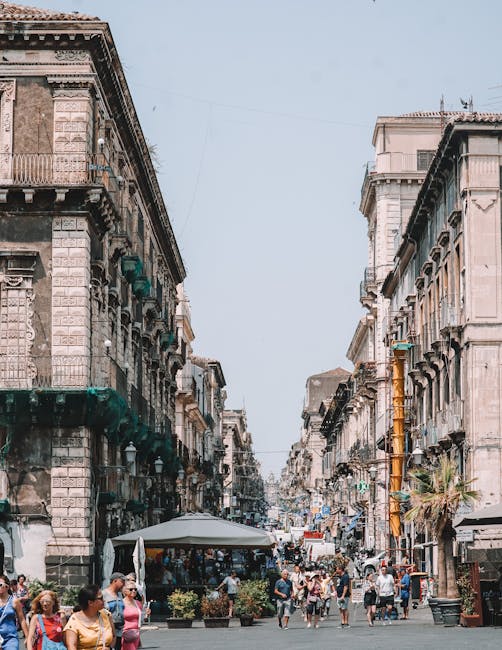
Catania, the busy port town at the foot of Mount Etna, is as much a food experience as it is a sight to see. Between baroque alleys and buzzing markets, the city has a comforting, no-nonsense street-food tradition: crocchè and panelle. Born from necessity and local ingenuity, these two fried snacks are staples of Sicilian street cuisine — especially in Catania, where markets and friggitorie (fried-food stalls) are part of daily life. In this introduction I’ll set the historical and cultural scene, describe their ingredients and textures, and explain why you should try them on the go when you’re in town.
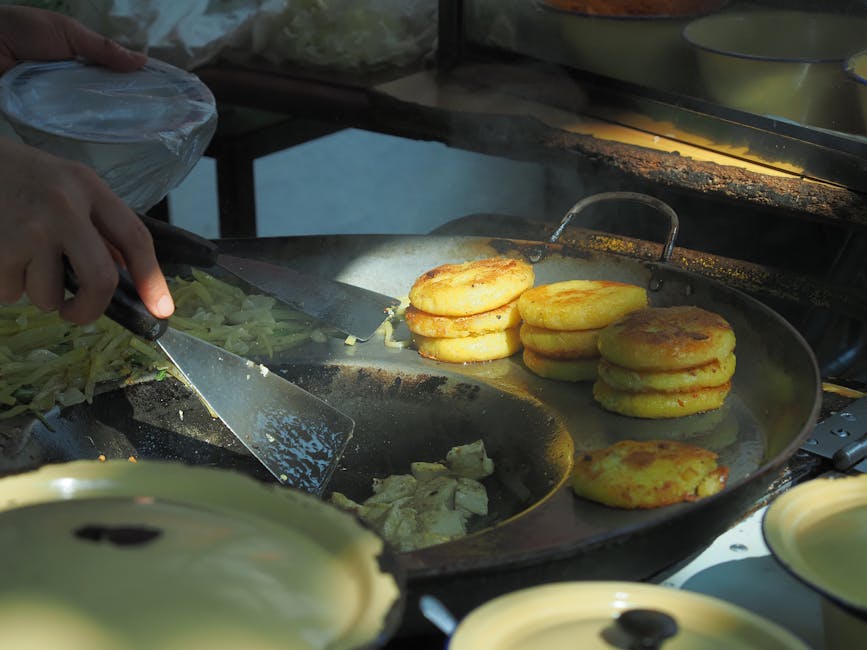
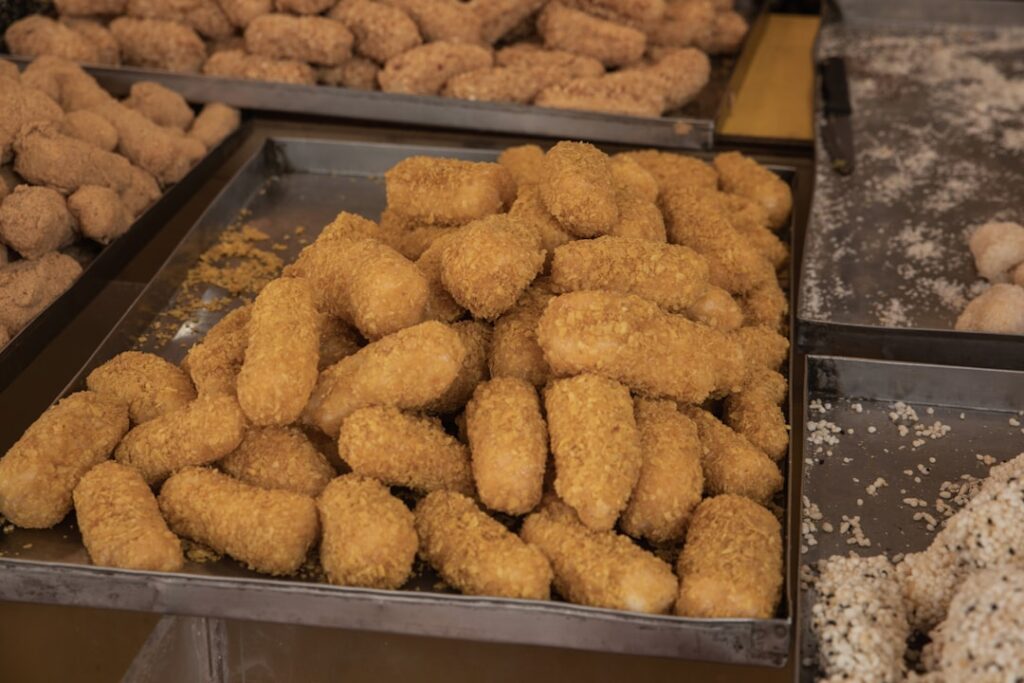
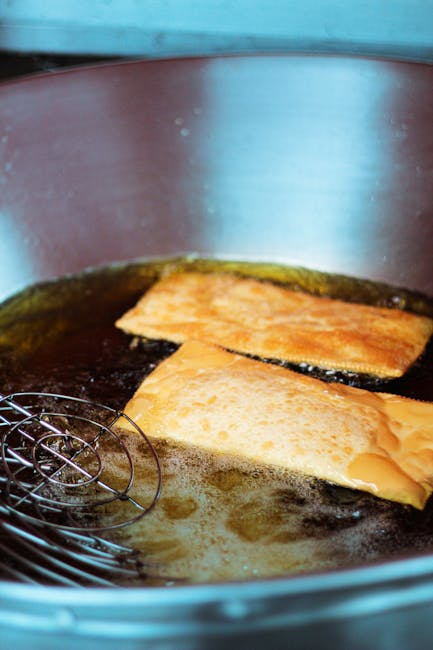
History: panelle trace their roots back to Arabic and rural influences in Sicily. They’re made from a batter of chickpea flour mixed with water, cooked, cut into rectangles and fried until golden-crisp outside and tender inside. Crocchè, on the other hand, are potato-based patties or balls (often mixed with cheese like caciocavallo or pecorino), breaded and fried — similar to croquettes in France or Spain but with a distinctly Sicilian twist. Both are often served in a morning-baked roll — the « panino con le panelle » — or eaten on their own, finished with a squeeze of lemon, a pinch of salt, sometimes a crack of pepper, and occasionally accompanied by salsiccia or other toppings.
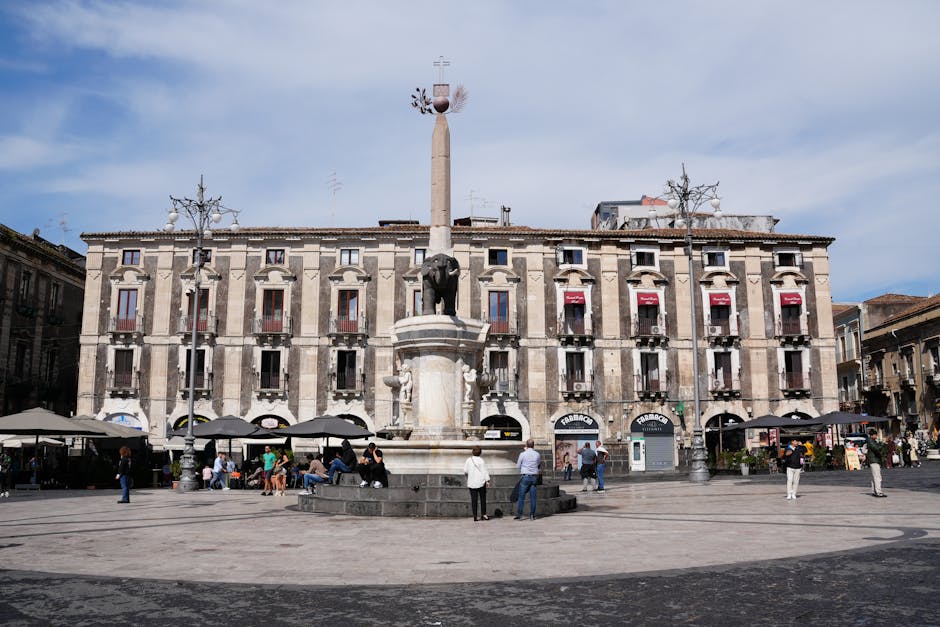
Social role and where to eat them: you can find these snacks everywhere in Catania, but the most authentic experience is at the markets like the Pescheria (Piazza del Duomo) and at traditional friggitorie. Locals grab them in the morning or early afternoon after shopping, students enjoy them after classes, and visitors quickly learn it’s a culinary rite of passage. The crunchy exterior, soft center and the contrast between hot fry and sea air make these bites a memorable souvenir.
Taste and mindful eating: although fried, crocchè and panelle do offer nutritional value — chickpeas and potatoes provide plant protein and carbs. If you’re health-conscious, choose places that change their oil regularly (many will display this) and avoid overly greasy options if you’re sensitive to fried food. Eat them fresh for the best texture — once cooled they lose part of their charm.
This guide will take you through the best addresses, typical opening hours, expected prices and local tips to enjoy crocchè and panelle in Catania. Whether you’re a foodie, a curious traveler or pressed for time, you’ll find a practical, immersive selection with locations, detailed descriptions, ordering tips and suggestions for pairing these snacks with other local specialties.
Where to get authentic panelle in Catania — markets and must-visit spots
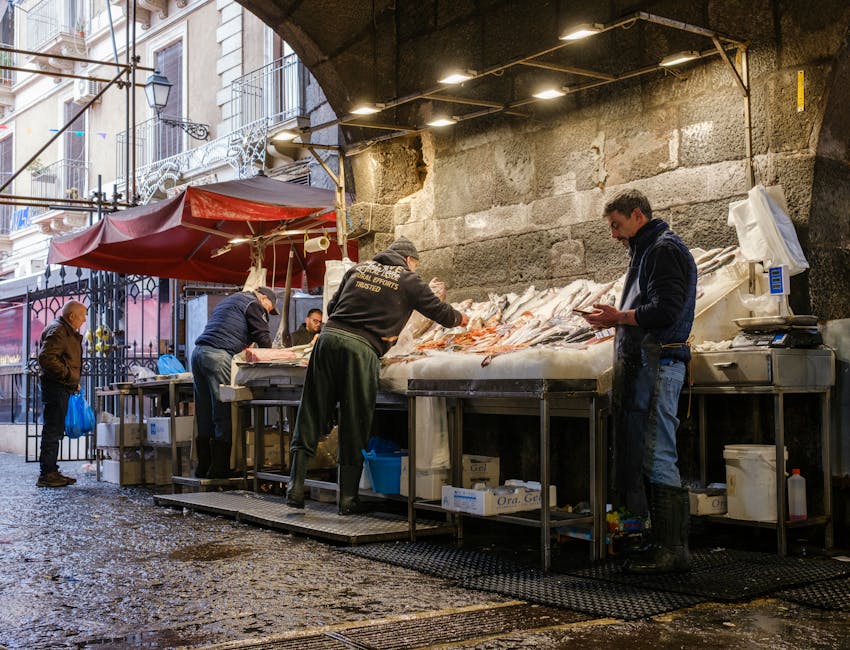
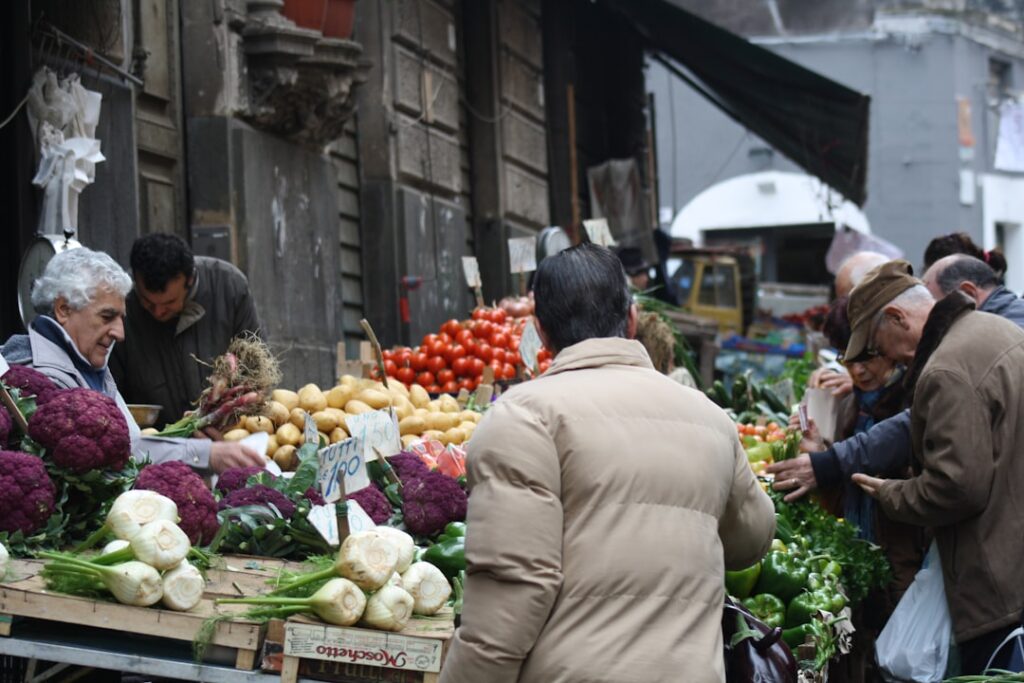
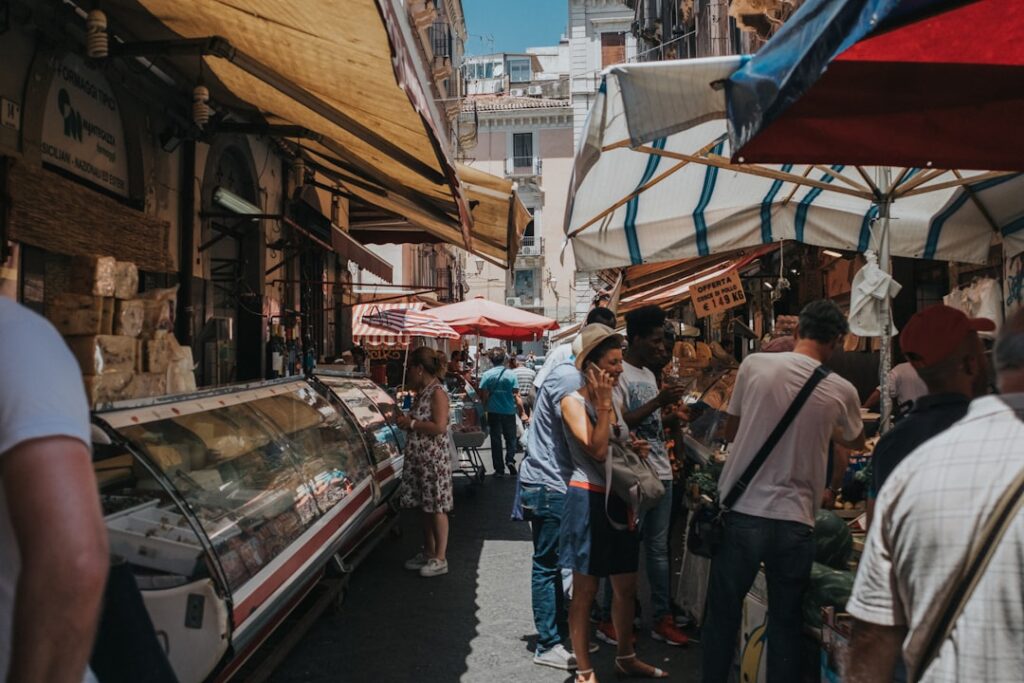
Panelle rule the markets of Catania. The most emblematic spot is the Pescheria (the fish market) around Piazza del Duomo. This market is a living theater: vendors call out, buyers move quickly, and fry stands turn chickpea batter into golden rectangles. The market’s official address is Piazza del Duomo, 95131 Catania. Stalls often sell « pane e panelle » sandwiches at very reasonable prices — expect roughly €2.00 to €4.00 for a panino con panelle depending on size and added condiments. Typical hours: the market buzzes early, from about 06:00–13:00, Monday to Saturday; some vendors close in early afternoon. For a morning experience, arrive between 08:00 and 10:30 to catch the action at its peak.
Another key spot: Mercato di Piazza Carlo Alberto at Piazza Carlo Alberto, 95131 Catania. This neighborhood market is quieter but beloved by locals. You’ll find family-run friggitorie here serving panelle either in bread (panini around €2.50) or individually (€1.00–€1.50 depending on size). Hours: 07:00–14:00, closed Sunday. Vendors often recommend a slice of lemon and a spoonful of locally made salsa piccante (hot sauce).
Buying tip: watch for freshness. The best stalls make their chickpea batter in the morning and don’t hesitate to refresh the frying oil. Signs of quality: a firm batter, a golden fry that isn’t saturated in oil, and a pleasant aroma (wood-fire cooking or a well-kept fryer). Vendors usually speak Italian and sometimes a little English; a simple « una pane e panelle, per favore » will do.
The best friggitorie for crocchè — classic spots and opening hours
Crocchè are popular in small friggitorie you’ll find along Catania’s main streets and in the historic neighborhoods. Here’s a selection of the kinds of places where you’re likely to find tasty crocchè, with practical details, prices and hours.
-
Traditional stall at the Pescheria — Various stands, Piazza del Duomo, 95131 Catania
Description: around the market several family stalls sell crocchè individually for €1.00–€1.50 or in a small panino for €2.50–€3.50. Hours: 06:00–13:00 (best in the morning). Texture: crispy outside, interior of mashed potato bound finely with occasional touches of cheese. -
Friggitoria on Via Crociferi — Via Crociferi, 55, 95124 Catania
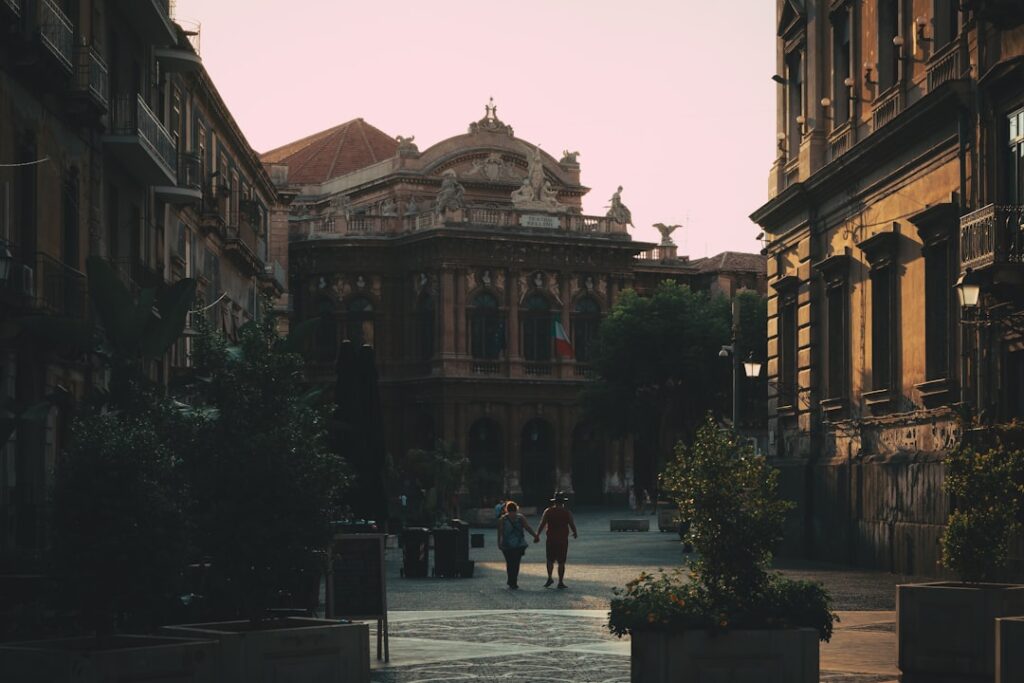
Description: located on the historic Via Crociferi, this neighborhood friggitoria offers cheese and ricotta crocchè. Approx price: panino €3.00–€4.00, single portion €1.20. Hours: 09:00–22:00 (closed some days for rest). Atmosphere: perfect for a break after visiting the nearby baroque churches. -
Friggitoria near Via Etnea — Via Etnea (central area), Catania
Description: along Via Etnea you’ll find several handy fry shops for a quick snack. Price: €1.50–€3.50. Hours: often 08:00–20:00. Tip: pair your crocchè with a granita (shaved ice with syrup) for a classic Sicilian hot/cold contrast.
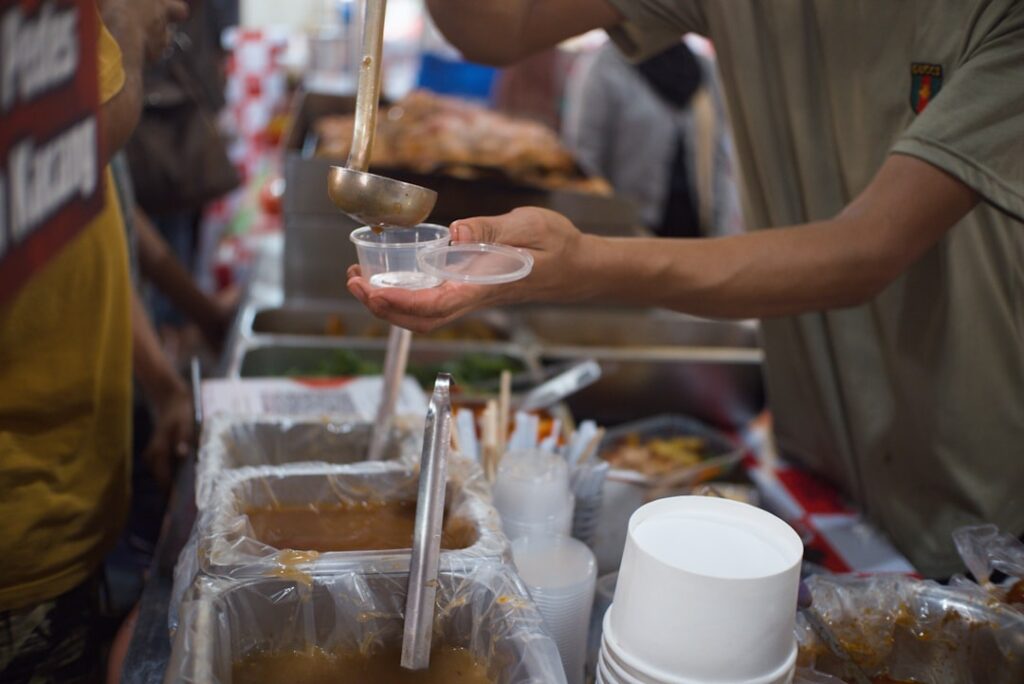
Tasting tips: ask for « con limone » (with lemon) for panelle or crocchè — it brightens the fried flavor. If you’re with a group, order different varieties (cheese crocchè, plain, herb-infused) to compare textures and seasoning. Notice the local variations: some add parsley, lemon zest to the batter, or gentle spices.
How to spot quality — oil, texture, freshness and hygiene
Not all fried snacks are created equal. Panelle and crocchè depend on three main factors: the quality of ingredients, frying technique and freshness. Here’s how to judge a vendor before you buy so you get a satisfying culinary experience.
1) The oil: a clear, fresh oil yields a golden, light fry. Professional friggitorie change their oil regularly and often advertise « olio di qualità » (quality oil). Beware of very dark oil — a sign of prolonged use. As a guideline, a good place will replace its oil at least daily when business is busy.
2) Texture: panelle should have a thin, crispy crust with a moist, melting interior. Crocchè need a crunchy shell and a mashed potato center that’s smooth, airy and not lumpy. A too-heavy crocchè often signals too much breading or a poorly prepared mash.
3) Freshness: favor stalls that make food on site rather than reheating items that have sat for hours under heat lamps. A steady local clientele (queues, many buyers) is a good sign.
4) Hygiene: watch staff appearance, the cleanliness of utensils and how food is handled (tongs, gloves, clean surfaces). Trusted friggitorie are inspected and keep certificates up to date. Prefer eating on the spot or in clean paper wrapping rather than handling food directly with your hands.
Price and value: in Catania, a panino con panelle usually costs between €2.00 and €4.00, and a portion of crocchè ranges from €1.00 to €3.50. For the best value, look for authenticity (handmade preparation, market stalls, family friggitorie) rather than touristy shops that charge a premium in central squares.
Local tips and flavor pairings — how to eat like a Catanese
Eating like a local isn’t just about tasting — it’s about adopting the gestures and flavor combos. Here are precise tips to enjoy panelle and crocchè the Catania way.
- The ideal bread: the most common panino is a small white roll that’s crisp outside and soft inside, often sold at the Pescheria. Sicily also has local variants like the « mezzaforno » (half-baked loaf) — ask for « pane caldo » if you want a warm roll.
- Lemon: a squeeze of lemon on panelle or crocchè is a ritual. It cuts through the fry and brightens flavors. Ask « con limone ».
- Sauces: some friggitorie offer house-made « salsa piccante » (spicy sauce) or a spiced tomato sauce. If you’re unsure, ask for a light touch: « poco piccante, per favore. »
- Sides: for a fuller snack, pair panelle/crocchè with an arancina (stuffed rice ball) or a slice of sfincione (Sicilian-style pizza). Typical drinks: granita (especially when it’s hot) or a quick espresso.
- Time of day: mornings and early afternoons are best. In the evening some places close or serve heavier fried fare; for a late-night option pick spots open late and frequented by locals.
Interacting with vendors: a smile and a few basic Italian phrases go a long way. « Una pane e panelle, per favore » / « Due crocchè, per favore » will usually do. If you pay cash, have small notes — many stalls prefer cash. Respect the queue, grab your snack and enjoy it standing at the counter — that’s how locals do it.
Where to pair panelle and crocchè with other specialties — a half-day food route
To make the most of your time in Catania, here’s a suggested three-hour tasting route that combines panelle, crocchè and other specialties, with addresses, approximate prices and hours to keep in mind.
-
Start: Pescheria, Piazza del Duomo, 95131 Catania — morning
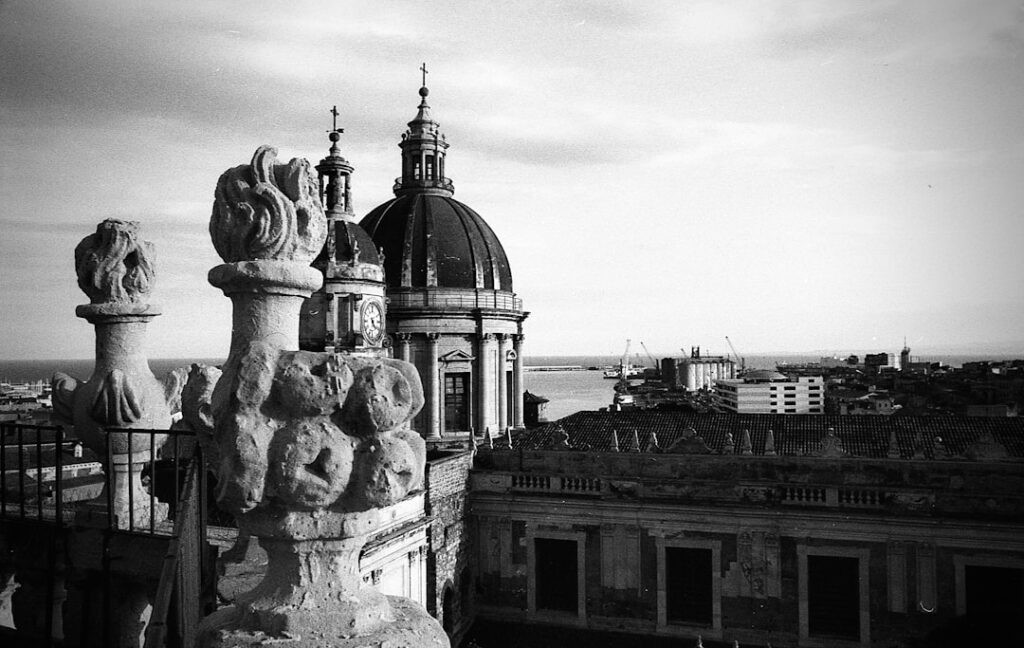
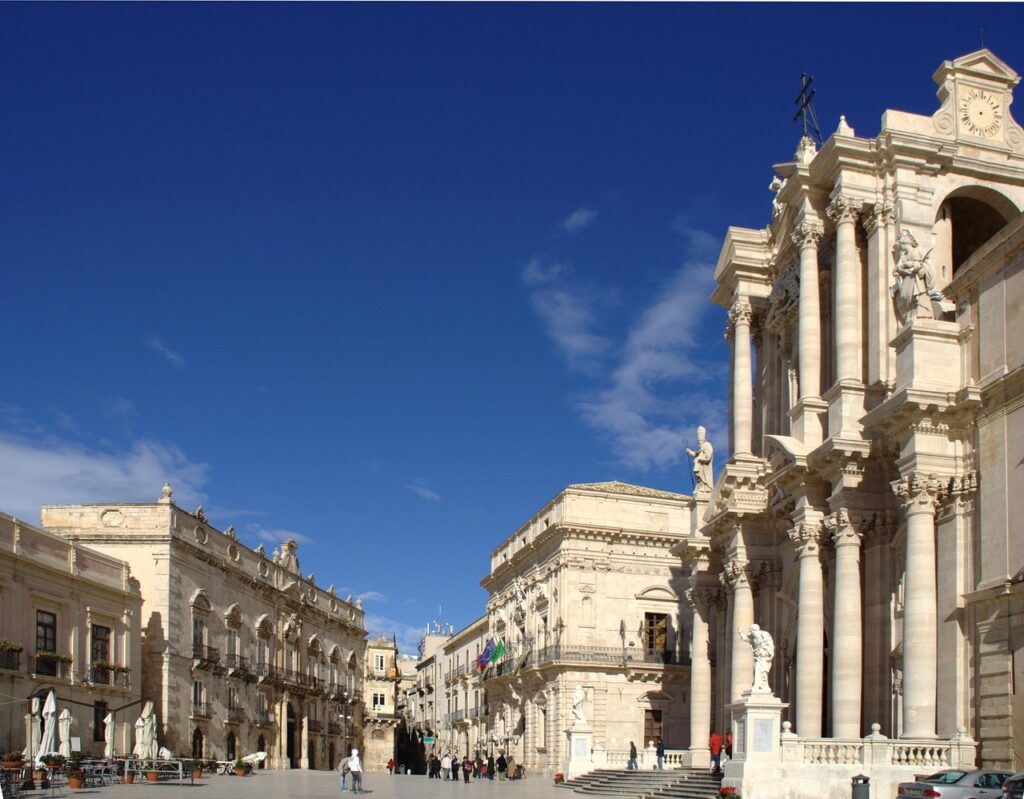
Arrive between 08:00 and 10:00. Begin with a panino con panelle for about €2.00–€3.50. Watch the market hustle and enjoy views of the Cathedral of Sant’Agata.
-
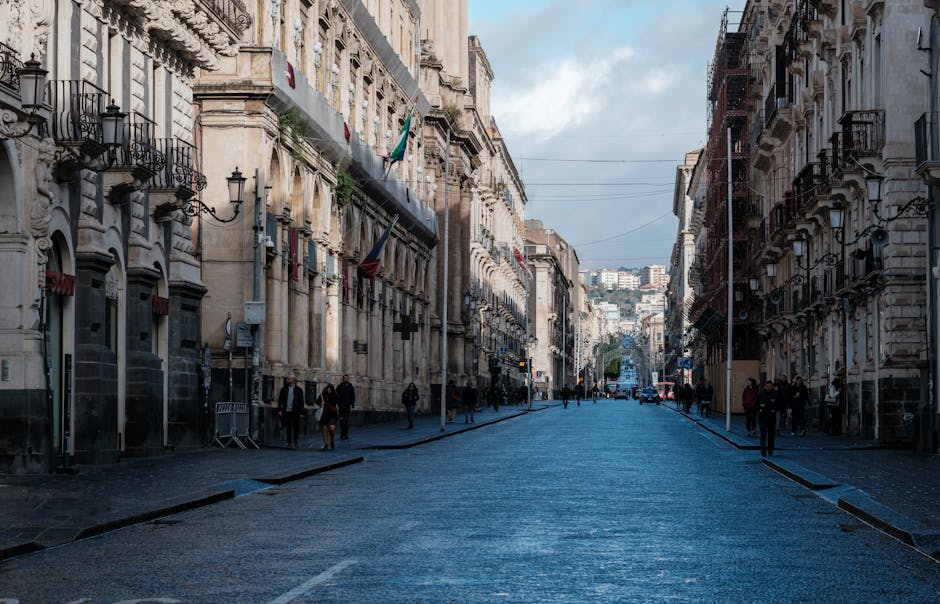
Mid-morning crocchè stop: Via Etnea (central area), Catania
Walk up Via Etnea and pop into a local friggitoria for two crocchè (around €2.50–€3.00 per portion). Pair with a quick espresso at the counter. Bar hours: often 07:00–20:00.
-
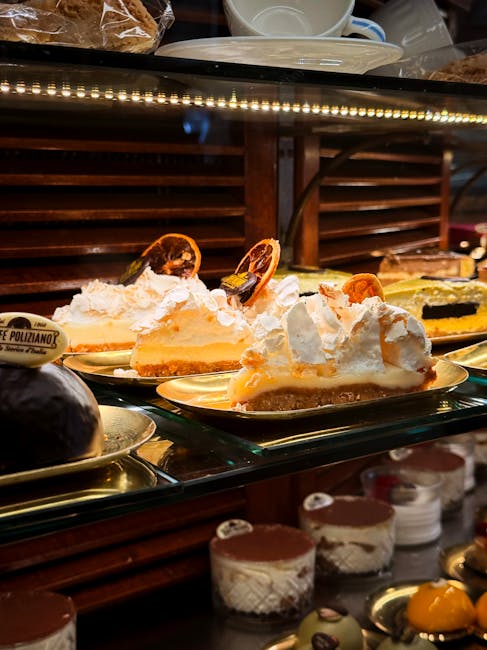
Dessert/refreshment: Bar Savia (example café), Via Etnea, Catania — late morning
Finish with a lemon or almond granita, roughly €2.00–€3.50. Try a small local pastry to balance salty and sweet.
This route is meant to be a sensory stroll, not a formal meal. It emphasizes immediacy and conviviality: standing, sharing, smelling the sea and the fry. Bring napkins and a water bottle, and mind the markets’ opening times — many stalls close in early afternoon.
Conclusion — savor the tradition and extend the experience
Crocchè and panelle are more than simple snacks: they tell stories of history, food adaptation and Sicilian conviviality. In Catania, these fried treats capture market life, everyday habits and the local talent for turning simple ingredients into intense pleasures. By following this guide — choosing markets like the Pescheria (Piazza del Duomo, 95131 Catania), finding good friggitorie along Via Etnea and Via Crociferi, judging quality by oil and texture, and adopting local rituals (lemon, spicy sauce, warm bread) — you’ll boost your chances of an authentic tasting.
Practically speaking, expect to pay between €1.00 and €4.00 for these snacks depending on format (single piece or sandwich). Market and friggitoria hours favor mornings and early afternoons, with a slowdown after 14:00 and possible evening reopenings at some places. For responsible travelers, prioritize freshness, hygiene and oil turnover; for the curious, try combinations (granita, arancina, sfincione) to place panelle and crocchè within Sicily’s wider culinary scene.
Finally, embrace the local culture: eat standing up, exchange a few words with the vendor, watch the preparation and take the time to compare. These little rituals bring you closer to locals and are a core part of the experience. Next time you stroll under Etna’s gaze or down Catania’s baroque lanes, follow the smell of fried food — taste one bite and you’ll quickly understand why crocchè and panelle are unmissable.