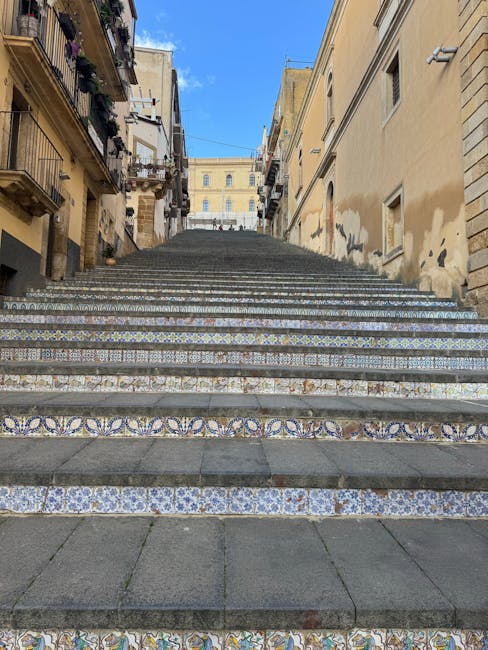






Introduction: Steps and Mosaics — Catania’s Soul Within Reach
Catania, tucked at the foot of Mount Etna on Sicily’s east coast, is a city where the stones tell long, contradictory stories: eruptions and rebirths, noisy markets and quiet little squares, baroque façades darkened by time and surprising mosaics tucked into hidden corners. This practical guide walks you through those ancient lanes — between steps and mosaics — to highlight must-see spots, exact addresses, prices and opening hours, plus local tips to make the most of every step.
Exploring Catania on foot is a full sensory experience: the crackle of cobbles under your shoes, the smell of grilled fish at the Pescheria market, the warm breath of Etna winds drifting down Via Etnea, and the way light catches mosaics in hidden churches when a sunbeam breaks through a changing sky. The city reads like layers: Roman ruins peeking out beneath medieval structures, baroque façades from the post‑1693 earthquake reconstruction, and modern interventions that try to channel urban energy without dimming it.
This guide is both practical and immersive. You’ll find accurate details: full place names, precise addresses, prices in euros, and opening hours. Beyond the facts, I offer detailed descriptions — how to approach a square at dawn, which bench to choose to watch the human theater, the best time to enjoy a granita for perfect texture, or which staircases skirt the crowds while delivering photogenic viewpoints. The aim isn’t simply to tick off tourist boxes but to understand the city’s logic: its side alleys, hidden lookouts and the mosaics — literal or figurative — that decorate sites where history accumulates.
Across five main sections, we’ll explore Catania’s principal axes: Piazza Duomo and its surroundings, Via Etnea and the city’s uphill ascent, the theaters and museums that tell its cultural story, the markets and lanes where you can eat like a local, and finally lesser‑known spots — convents, gardens and belvederes that reveal unexpected mosaics. Each section includes full addresses, indicative prices and opening times, plus concrete tips and walking routes. I also add suggestions to avoid common pitfalls and to enjoy the city at your own pace.
Get your walking shoes ready: Catania is discovered slowly. Steps and slopes are your allies for spectacular views, and around every corner a mosaic — whether made of stone, colored tiles or cast shadows — waits to be found. Let’s begin this walk, step by step, between stairs and mosaics, to unlock the secrets of Catania’s ancient lanes.
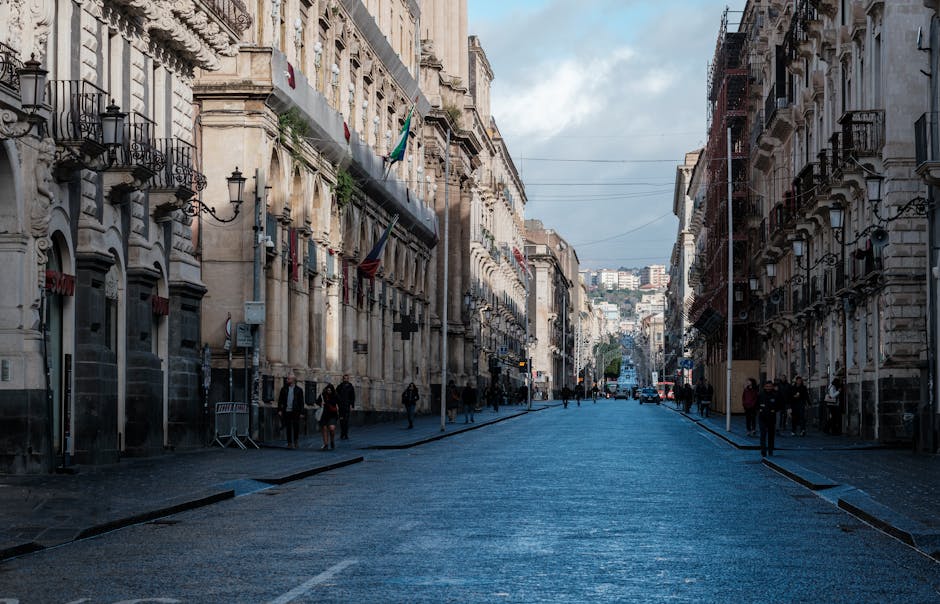
Piazza Duomo and the Historic Core: The Speaking Stone
Piazza Duomo is the natural starting point for any route in Catania. Dominating the square is the Fontana dell’Elefante, the city’s emblem, and just nearby stands the Cattedrale di Sant’Agata (Cathedral of Saint Agatha). Practical details below:
- Cattedrale di Sant’Agata (Cathedral of Saint Agatha) — Piazza Duomo, 95131 Catania CT, Italy. Entry to the main cathedral is free; visiting the cathedral treasury (Museo del Tesoro di Sant’Agata): approximate price €3–€5, hours Monday–Saturday 9:00–18:00, Sunday 10:30–13:00 (times may change for religious celebrations).
- Fontana dell’Elefante — Piazza Duomo, 95131 Catania CT. Free to visit; best time for photos: early morning or at sunset for soft light and fewer people.
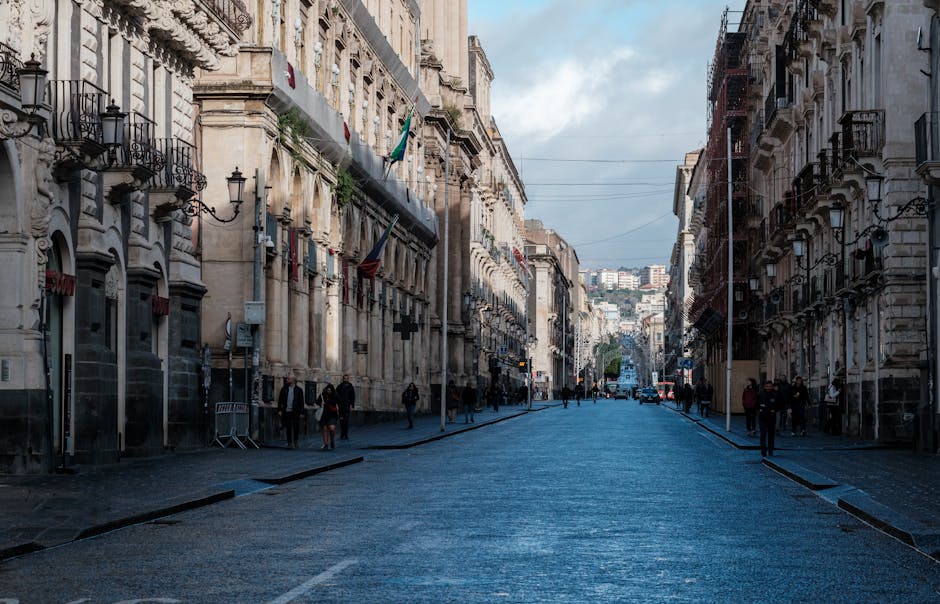
- La Pescheria di Catania (Fish Market) — Piazza del Duomo, 95131 Catania CT. Open Monday–Saturday, roughly 7:00–13:00. Free to enter, with tastings and purchases on site: arancini or fillets of fried fish from about €2. Tip: arrive before 10:00 to catch the market at its liveliest and avoid summer heat.
The cathedral impresses with its baroque bulk rebuilt after the great 1693 earthquake; its interior is more restrained and houses chapels and an array of mosaics and marbles arranged like small visual scenes. Wander behind the cathedral: narrow lanes open onto workshops and houses with darkened stone, where mosaics sometimes hide in restored thresholds and floors. In the morning, when light hits the façade, you’ll see sculptural details come alive.
Local tip: to make the most of your visit, pair the cathedral with the Pescheria market next door. Bring cash for on‑the‑spot purchases, as some vendors accept only cash. If you want a traditional coffee near the square, try an espresso at Caffè del Duomo (Via Etnea, 2 minutes away), where a standing espresso costs about €1.10–€1.50.
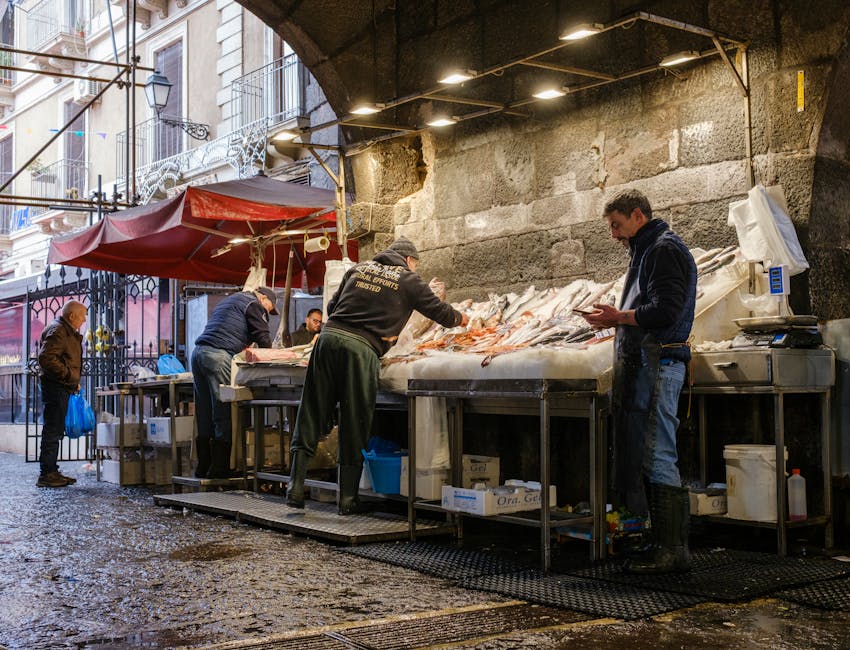
Via Etnea and the Steps: Urban Ascent and Panoramas
Via Etnea is Catania’s main artery, a long spine that climbs toward Etna. It concentrates shops, historic cafés, churches and several stairways and terraces that open onto unique city views. Walking Via Etnea lets you alternate between vibrant spots and reflective pauses.
Suggested start: Piazza Duomo — head north up Via Etnea. Highlights along the street include:
- Teatro Massimo Bellini — Piazza Vincenzo Bellini, 2, 95131 Catania CT, Italy. Guided tours and box office: tours around €10, box office hours 10:00–18:00; performances vary by season (ticket prices range €10–€80 depending on seating).
- Monastero dei Benedettini (Benedictine Monastery of San Nicolò l’Arena) — Piazza Dante Alighieri, 32, 95124 Catania CT, Italy. Access to the complex and museum route: combined ticket with the University of Catania / cultural site about €6–€9; hours 9:00–17:00, closed on certain public holidays (check the official site).
- Via Etnea viewpoint — numerous side staircases lead to terraces with direct views of Etna. Look for small squares like Piazza Stesicoro for a panoramic pause.
The steps: several side stairways — for example near Via Antonino di Sangiuliano and Via San Giuliano — climb to less busy upper levels where façades retain old inscriptions and where threshold mosaics and partial frescoes sometimes hide. Take time to follow these detours: they deliver exceptional photo compositions and often a hush that contrasts with the main street’s bustle.
Hours and practical tips: shops typically open from 9:00 to 13:00 and from 16:30 to 20:00 (closing for siesta in summer). To beat the heat, walk early in the morning or late afternoon. If you want to go up to Etna from Via Etnea, book an organized excursion (prices vary: half‑day €45–€80, full day €80–€150 depending on what’s included). Bring water and appropriate footwear; some slopes can be steep.
Theaters, Museums and Interior Mosaics: Cultural Immersion
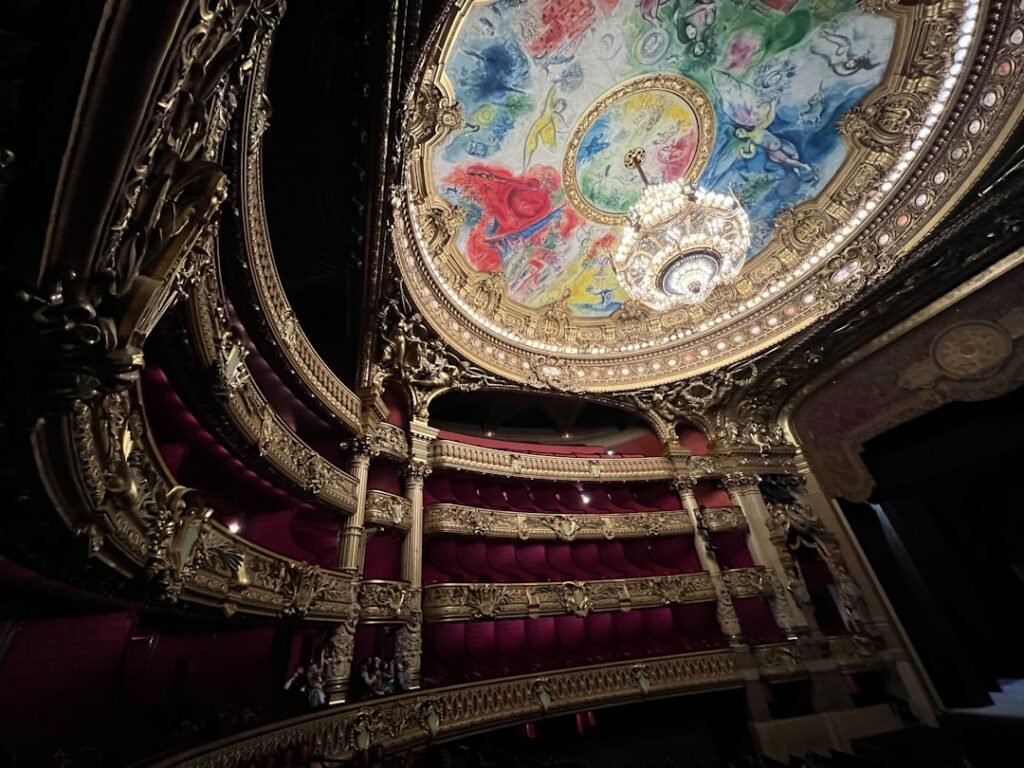
Catania’s cultural heritage is dense and walkable. Theaters and museums reveal magnificent mosaics, stage décors and collections that trace the city’s millennia of history. Here’s a handy selection:
- Teatro Romano di Catania (Roman Theatre) — Via Teatro Greco, 95131 Catania CT, Italy. Entry about €4–€6; usual hours 9:00–19:00 (closed on some public holidays). The archaeological site sits next to the Odeon and Teatro Greco; a combined visit is recommended to understand ancient staging.
- Castello Ursino – Museo Civico (Civic Museum) — Piazza Federico di Svevia, 95131 Catania CT, Italy. Entry about €6; hours 9:00–19:00 (Tuesday–Sunday), closed Mondays. Collections include medieval sculptures, paintings, and mosaics unearthed during urban excavations.
- Museo Storico dello Sbarco in Sicilia 1943 — Via Leucatia, 60, 95121 Catania CT, Italy. Entry about €4; hours 9:00–18:00. For fans of modern history, this museum outlines Sicily and Catania’s strategic role during World War II.
In these places, slow down to study details: a floor mosaic, a restored cornice, the marks of different building eras. Audio guides and guided tours add depth; for Teatro Romano and Castello Ursino it’s often wise to book a guided tour (additional cost €3–€7 depending on the provider) to gain full historical context.
Photo tip: in theater spaces natural light can be very contrasty. Look for side openings to capture seat textures and friezes. In museums, check whether photography without flash is allowed — some items may permit it if you ask at reception.
Markets, Street Food and Local Eateries: Flavors of the Lanes
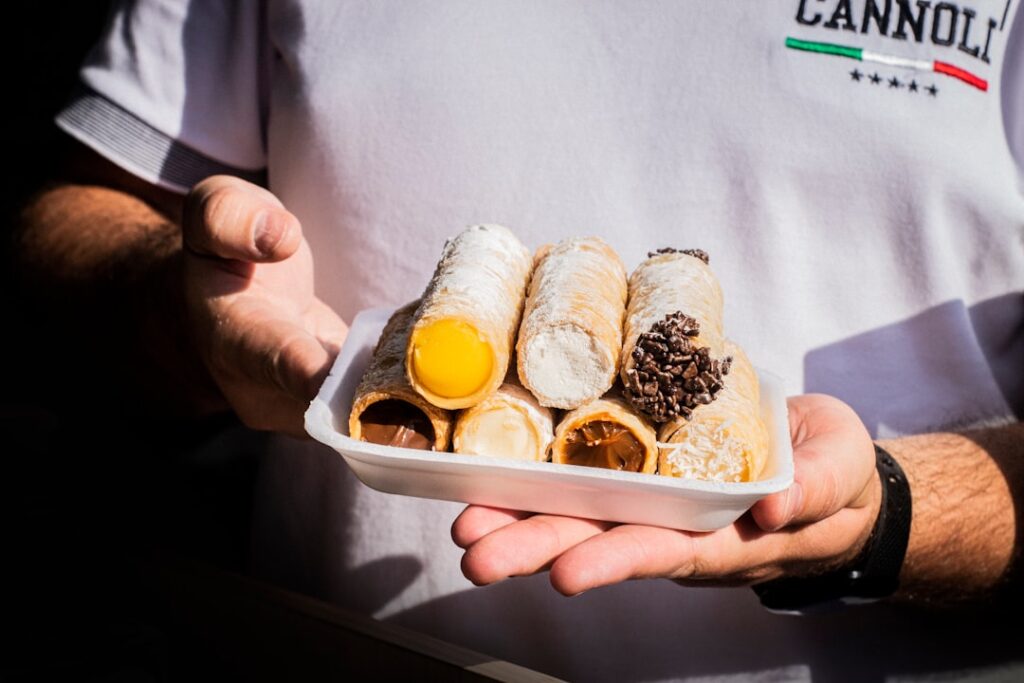
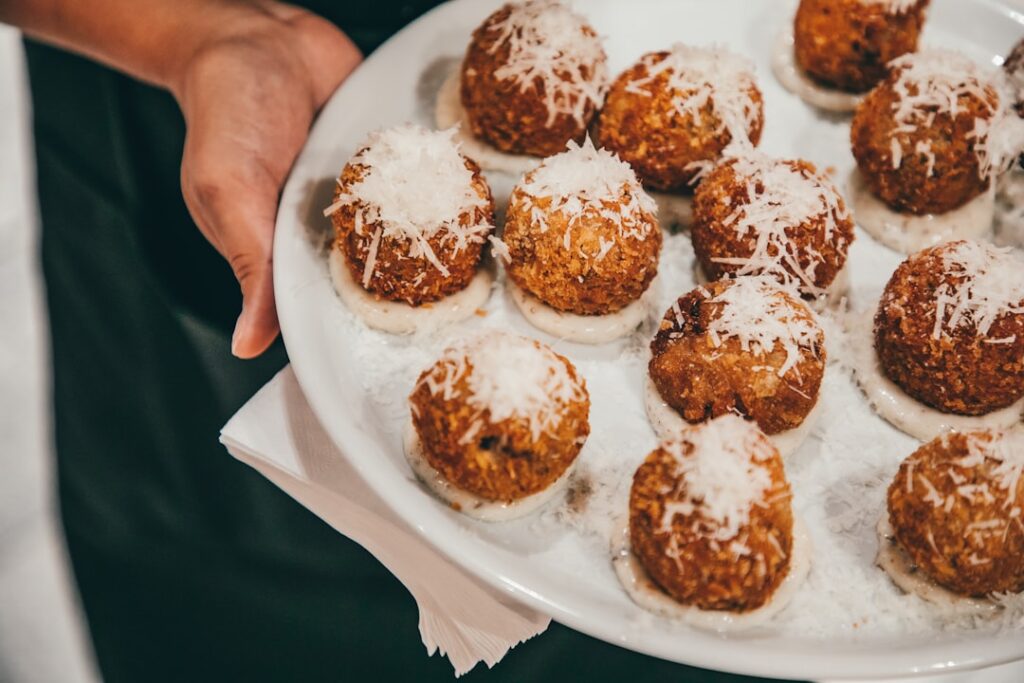
Getting lost among Catania’s lanes also means feasting. Markets and small family spots serve the city’s true flavors: arancini, cipollina, cannoli, granita and grilled fish. Here are specific addresses and foodie tips:
- La Pescheria (Fish Market) — Piazza del Duomo, 95131 Catania CT. Hours: Monday–Saturday 7:00–13:00. Fresh produce and tasting stalls. Tip: try the fillets of fried fish with a squeeze of lemon; tasting budget €3–€8 depending on portion size.
- Siciliana Arancineria – Arancini Shop — Via Santa Filomena, 28, 95131 Catania CT. Arancini from €2.50; open 10:00–22:00. Tip: try the arancino alla norma (eggplant and salted ricotta) for a local twist.
- Granita at Caffè Savia — Via Etnea, 33, 95131 Catania CT. Granitas from €2.50–€4.00; hours 7:30–20:00. Local specialties: lemon or almond granita; for a combo, ask for a Sicilian brioche (brioche col tuppo) for about €1.50–€2.50.
- Trattoria da Antonio — Via Vittorio Emanuele II, 78, 95131 Catania CT. Main courses from €10–€18; open 12:00–15:00 and 19:00–23:00. Reservations recommended in the evening.
Walking the lanes will also bring surprises: small family‑run pastry shops that close early, street vendors selling olives and cheeses, benches perfect for savoring a freshly filled cannolo. For food shopping, prefer morning hours for the best selection. In summer, pick a lemon or almond granita around midday for an authentic cool‑down.
Budget tip: eating on the go in Catania is affordable if you stick to street specialties (€2–€6). For a decent sit‑down meal in a local trattoria, budget €20–€30 per person with a glass of wine. Don’t miss the small pastries with your morning coffee: roughly €1–€3.
Convents, Gardens and Secret Belvederes: Unexpected Mosaics
Beyond the main routes, Catania hides quieter spots where mosaics — literal or metaphorical — reveal themselves. These places are ideal to breathe and see the city from another angle:
- Monastero dei Benedettini (Monastery of San Nicolò l’Arena) — Piazza Dante Alighieri, 32, 95124 Catania CT. Monumental complex with cloisters and inner courtyards accessible via guided tour; combined ticket about €6–€9, hours 9:00–17:00. Pavements, frescoes and small mosaics deliver surprises at every turn.
- Orto Botanico dell’Università di Catania (Botanical Garden) — Via Etnea, 485, 95131 Catania CT. Entry about €3–€5; hours 9:00–17:00 depending on season. The greenhouses and paths offer calm settings for photography and the discovery of Mediterranean plants.
- Belvedere di Villa Bellini — Via V. Emanuele, 131, 95131 Catania CT. Public park open all day; free entry. Great for a shaded break and to watch the city below with Etna in the distance.
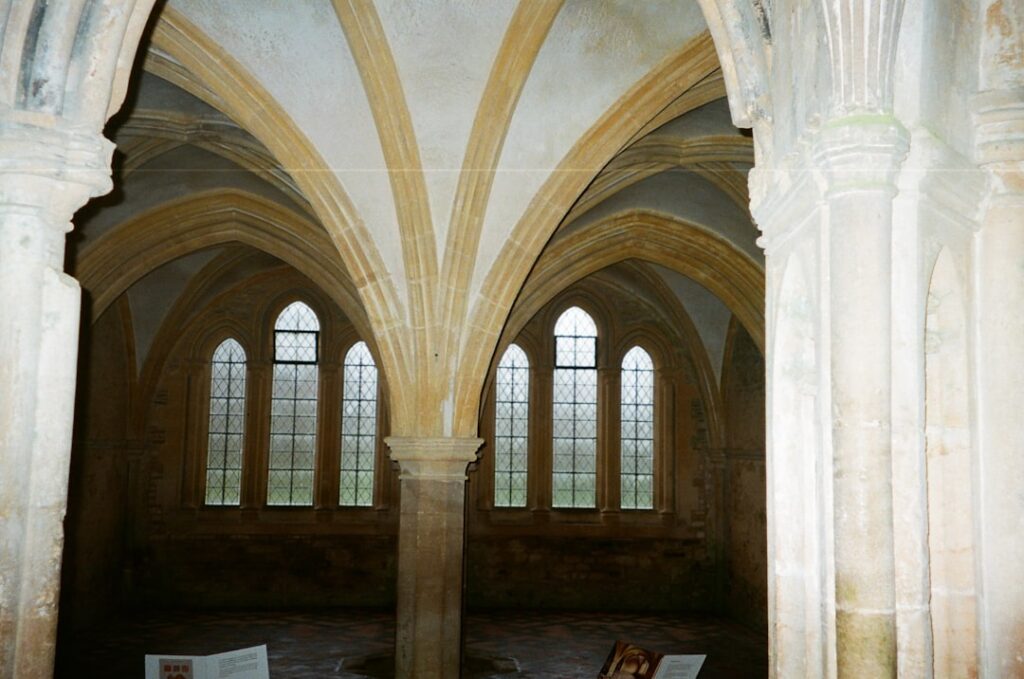
These sites are perfect for hunting floor mosaics, friezes and forgotten patterns. The cloister at Monastero dei Benedettini, in particular, reveals stone floors and plays of shadow that create genuine natural mosaics when sunlight filters between the columns. The botanical garden, meanwhile, offers texture and color contrasts that read like vegetal mosaics — a treat for photographers.
Practical tips: visit at off‑peak times (opening hours) to enjoy the calm and get better photos. For the Monastero, check in advance about university guided tours: they’re often conducted in Italian but are well worth it for the historical context. Bring a small flashlight if you like to explore the dim corners of old rooms.
Conclusion: Carved Steps, Revealed Mosaics — How to Travel Catania
Walking Catania means embracing a city of many layers: each step lifts you to a new viewpoint, each mosaic — whether of stone, tile or shadow — tells a piece of its history. Piazza Duomo, Via Etnea, the theaters, markets and belvederes form a coherent network where, in a few hours, you can feel the historic heart of the city and, in a few days, begin to understand its historical and human strata.
To prepare your visit: bring comfortable shoes, a reusable water bottle and a bag for market finds. Respect church and museum hours: many close for religious holidays or in the early afternoon for siesta. Book ahead for performances at Teatro Massimo Bellini and for some guided tours (Monastero, Castello Ursino) if you want slots in French or English.
Indicative budget: a full day in Catania (paid visits, a trattoria meal, small tastings) can range between €40 and €80 per person depending on your choices. The unmissable free experiences (city walks, Piazza Duomo, belvederes) help control costs while letting you enjoy the city fully. For excursions to Etna, expect €45–€150 depending on duration and type.
Finally, remember that Catania’s charm lies in spontaneous moments: a mosaic underfoot, a vendor sharing the story behind a dish, a bench with a view of Etna. Take your time climbing the steps slowly and let your feet lead you through the ancient lanes. By moving at that pace you’ll discover not only places but also details — a hidden mosaic, an old door, an open window onto everyday life — that will make your stay in Catania truly memorable.
Happy travels between steps and mosaics: may your footsteps lead you to the secrets Catania is ready to reveal.