





Introduction: Between Volcanoes, Stone and Whispers — Catania’s Ghostly Soul
Sitting on Sicily’s east coast at the foot of the imposing Etna, Catania is a city where the stones themselves seem to tell stories. Its cobbled alleys, baroque façades darkened by eruptions and bustling squares hide folk tales and ghost stories that have been whispered for centuries. This guide is a comprehensive companion for travelers who want to explore Catania not only for its architecture and food, but also for its legends, reported apparitions and spots where history seems to spill into the supernatural.
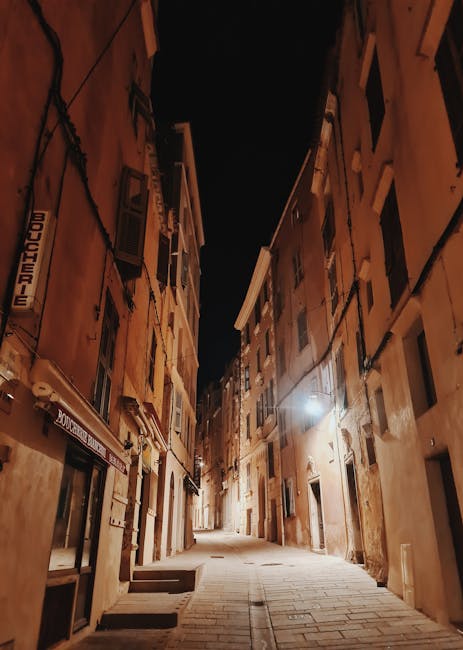
Over the centuries Catania has been rebuilt again and again after earthquakes and lava flows, and those layers of rebirth have left layers of stories: local saints, martyrs, popular uprisings and tragic figures whose memories sometimes blur into unexplained presences. Locals readily share anecdotes about figures glimpsed near churches, nighttime sobbing in empty cloisters, or footsteps that seem to replay old street rituals. These tales are rooted in specific places — squares, monasteries, old castles — giving the city a mysterious texture for anyone willing to listen.
This guide doesn’t just list legends: it walks you, step by step, to concrete sites with exact addresses, opening times, prices and practical tips. It offers immersive descriptions to help you feel the atmosphere before you go, and sensible safety and etiquette advice (respect opening hours, keep quiet in sacred spaces, don’t enter private property). Whether you’re a folklore buff, a night photographer or a curiosity-driven stroller, you’ll find routes here that work for a half-day outing or for nocturnal wanderings with a guide. The accounts gathered here combine local oral traditions, municipal archives and contemporary observation — presented professionally and respectfully of local beliefs.
Before you head out, a few practical notes: most central sites are walkable from Catania’s main station (Stazione di Catania Centrale, Piazza Papa Giovanni XXIII, 1, 95121 Catania CT). Museums and monuments follow seasonal hours, and night tours usually run between 8:00pm and 11:00pm. Prices in this guide are current references in euros and can vary a little by season or for temporary exhibits. Finally, don’t forget to listen to the locals — the best stories often come from a shopkeeper on a corner or an old resident who remembers the city as it used to be.
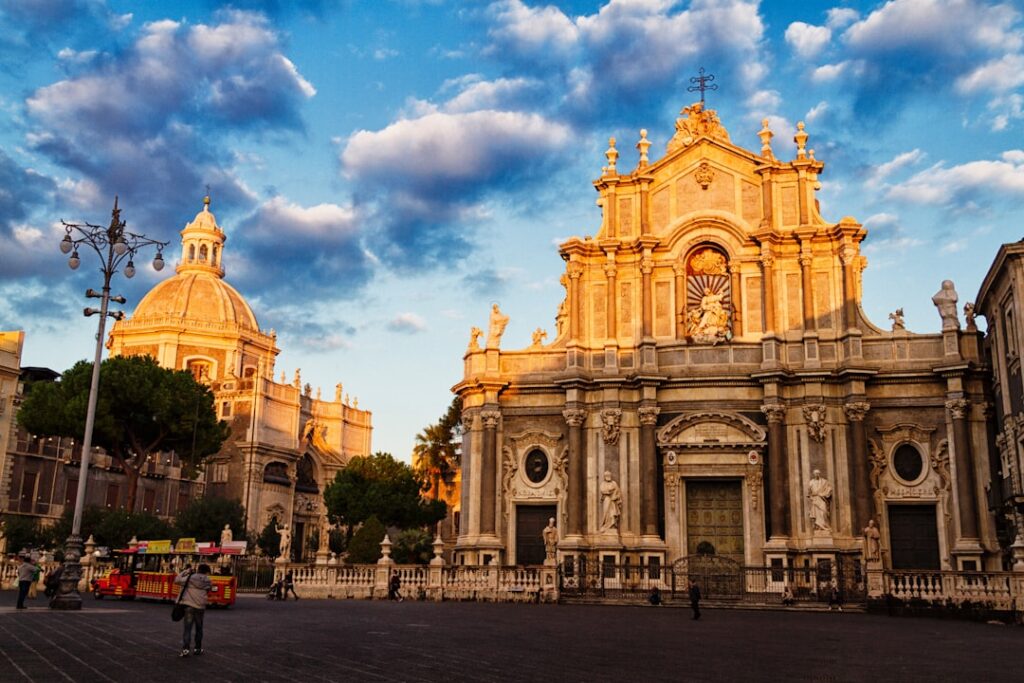
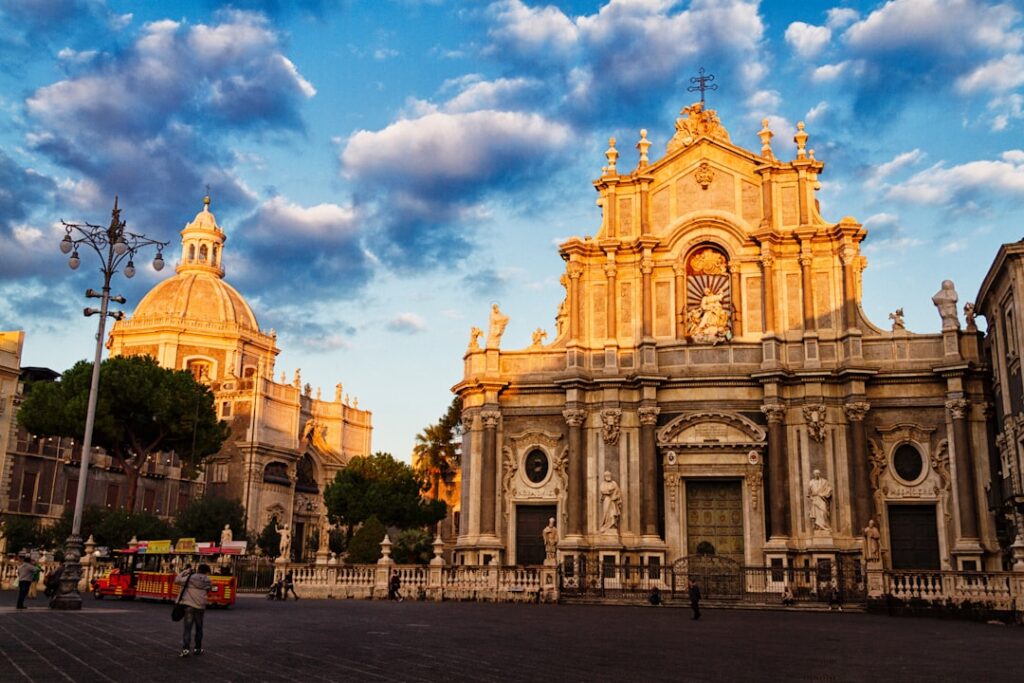
1) The Old Heart: Piazza Duomo, the Cathedral of Sant’Agata and the Pescheria — where the sacred meets the spectral
Piazza Duomo is Catania’s nerve center. Towering in the middle stands the monumental Cattedrale di Sant’Agata (Piazza Duomo, 95124 Catania CT), dedicated to the city’s patron saint. The current building is mainly baroque, rebuilt after the 1693 earthquake. The stones, cracked and sometimes patched, seem to hold memories of past tragedies. Inside is usually open to the public; entry is free, although access to the crypt or some chapels may require a small contribution: Sant’Agata’s crypt around €3–€5. Typical hours: 07:30–12:30 and 15:30–19:30 (times vary for religious services).
Why here, ghosts?
Intense devotion to Sant’Agata, martyred in the 3rd century, spawned processions and rites that left an emotional and collective imprint. Popular tales mention the saint appearing during plagues or epidemics, and shadows glimpsed during February’s night celebrations. Catacombs and crypts, often dimly lit, naturally amplify feelings of unease. Damp vaults and the interplay of light on bas-reliefs can make it seem like silhouettes are moving between the columns.
Around the square: the Pescheria and its legends
Right next door, the Pescheria fish market (Fish Market, Piazza del Duomo, 95124 Catania CT) has been a lively stage for centuries. Walk along the stalls and listen closely: some fishmongers say they’ve seen, at dawn, a woman in white gliding between the benches — interpreted as the soul of a lost wife or a deceased vendor. The market opens very early: usually 05:30–12:30 Monday to Saturday, closed Sunday. It’s free to wander; a morning coffee nearby costs roughly €1.20–€2.00.
Local tips
- Respect religious hours: don’t enter during a ceremony if you want to observe silently.
- Lighting: bring a small LED for night photos; the crypts are very dim.
- The market: visit the Pescheria in the morning to meet local storytellers and soak up the popular atmosphere.
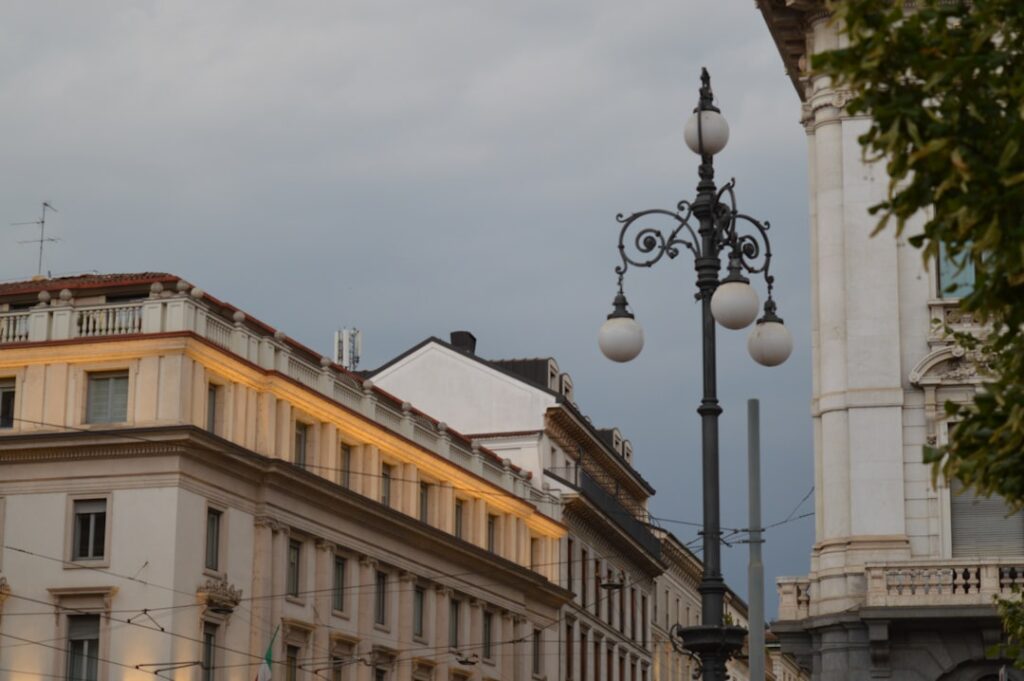
2) Via Etnea and the haunted houses: twilight strolls and whispering façades
Via Etnea is Catania’s main avenue, climbing toward Etna. Lined with shops, cafés and baroque palazzi, its façades often bear the marks of ash and solidified lava. This natural backdrop fuels stories about houses “laden” with tragic events and restless souls. Several private houses along Via Etnea and its side streets are reputed to host apparitions or unexplained happenings: footsteps at night, windows opening on their own, or figures on balconies.
Specific spots to spot
– Via Etnea, 238–260: the historic stretch between Piazza Duomo and Piazza Stesicoro. Walk it at dusk to see the lamplight alignment that sparks the imagination.
– Via Etnea, 309: an old house with a baroque balcony where neighbors have reported nighttime crying (an indicative address for spotting from public streets).
Prices and opening times for points of interest
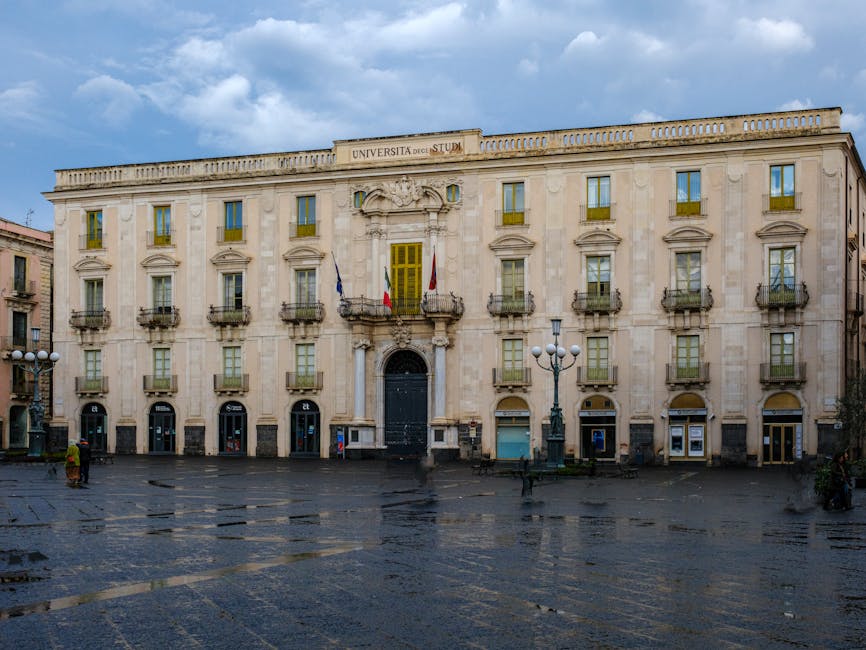
Strolling along Via Etnea is free. That said, cafés and bars along the way offer drinks from about €3 (espresso) and €6–€12 for an aperitif. If you opt for a specialized ghost walk, typical prices run €12–€18 per person for a 90-minute tour, usually held between 20:00 and 22:30. These tours often depart from Piazza Università (Piazza Università, 2, 95131 Catania CT).
Atmosphere and advice
At dusk, the low light brings out the façades’ textures — the perfect time to feel the city slip from its daytime face into something more mysterious. Locals say paranormal occurrences often happen after midnight, but for safety and respect it’s best to choose organized circuits or stay in well-trafficked neighborhoods. Keep your belongings close and avoid isolated alleys unless you know the area well.
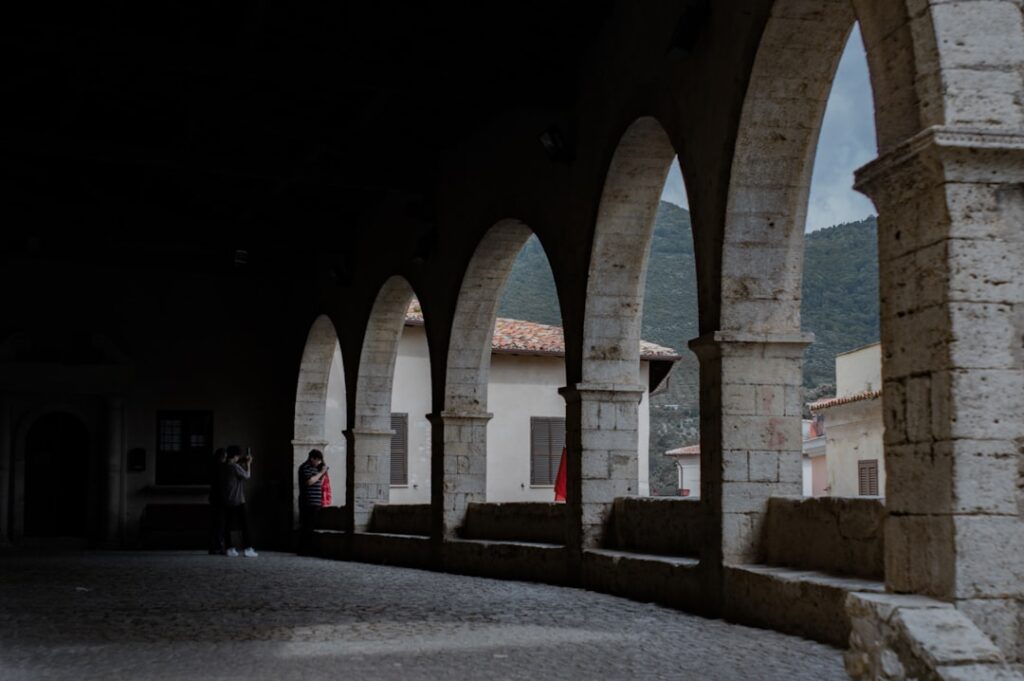
3) Monasteries, cloisters and the whisper of stone: Via Crociferi and the Monastero dei Benedettini
Via Crociferi is one of Catania’s most evocative baroque streets, full of cloisters, churches and convents that have witnessed prayers, exorcisms and mystical tales. Stroll between the church of San Benedetto and the Monastero dei Benedettini di San Nicolò l’Arena (Piazza Dante Alighieri, 32, 95124 Catania CT). The Monastero dei Benedettini is one of Europe’s largest monasteries, now partly used by the university and as a museum. Exact address: Monastero dei Benedettini, Piazza Dante Alighieri, 32, 95124 Catania CT. Typical guided-visit hours: 09:00–18:00 (closed Monday), standard guided tour about €6–€8, reduced €4–€5.
Why do monasteries inspire so many stories?
Monasteries have long been places of extreme solitude, penance and intense spiritual experience. Empty cells, stone staircases and cloistered gardens encourage the feeling of presence. On Via Crociferi, some side chapels hold damaged frescoes where people claim to see shifting shapes as light fades. University-run nocturnal events sometimes showcase the cloisters’ acoustics, and a whisper can echo like a voice from another age.
Visits and practical tips
- Monastero dei Benedettini — Piazza Dante Alighieri, 32, 95124 Catania CT. Tickets: €6–€8; hours: 09:00–18:00 (closed Monday). Book in high season via the university site or at the on-site ticket office.
- Chiesa di San Benedetto — Via Crociferi, 59, 95131 Catania CT. Entry is free but the main chapel may request a €1–€3 donation for upkeep.
For a more immersive experience, join a guided night tour (often run by local associations) that explains the religious history and popular tales. These tours usually cost €10–€15 and depart between 20:30 and 22:00. Bring a scarf or light jacket: cloisters stay cool at night.
4) Castello Ursino and medieval legends: walls, dry moats and shadows
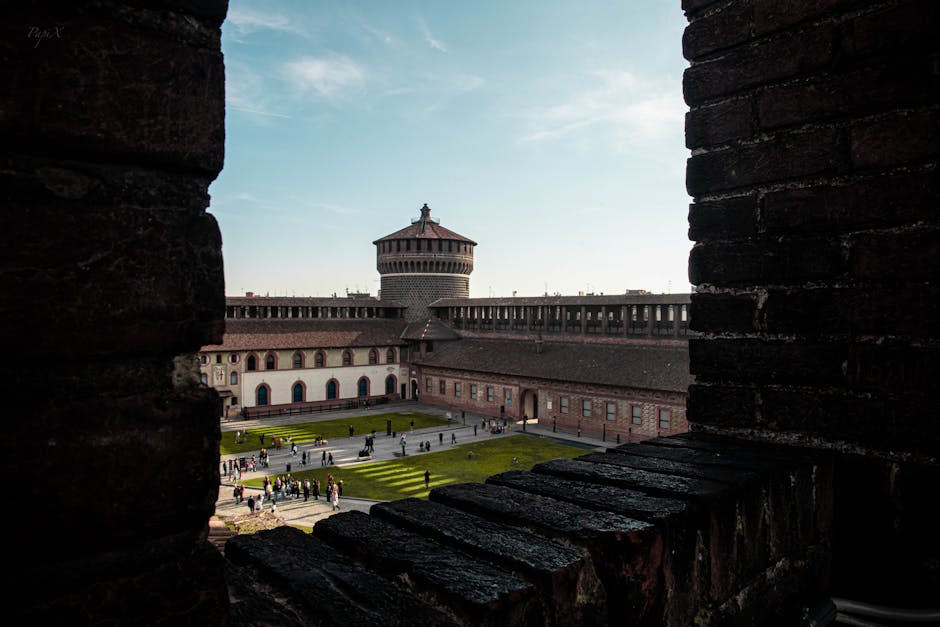
Castello Ursino, at Piazza Federico di Svevia, 1, 95121 Catania CT, is a 13th-century castle built under Frederick II. Over time it has served as a fortress, prison and museum, and today houses the Museo Civico and its art collection. Address: Castello Ursino – Museo Civico, Piazza Federico di Svevia, 1, 95121 Catania CT. Hours: generally 09:00–19:00, closed some Mondays; adult admission around €6–€8, reduced €4–€5.
Tales and atmosphere
The thick walls, polygonal towers and the surrounding dry moat make this spot fertile ground for stories of knights, thwarted love and betrayal. Night visitors sometimes report the sound of chains or ghostly figures near the ramparts — taken to be echoes of former prisoners. The museum’s funerary objects and relics fuel guides’ imaginations during themed tours. Occasional evening events include historical reenactments (prices vary, often around €10–€15 depending on the event).
Practical tips
- Tickets: buy at the entrance or online to skip lines; plan about €6–€8 per adult.
- Night visits: check with the museum for special events — often announced for summer, with themed guided tours between 20:00 and 23:00.
- Safety: ramparts can be slippery after rain; wear sturdy shoes.
Castello Ursino is a great starting point for a walk that extends the medieval vibe: continue toward the Lungomare for views of the Ionian Sea. Photographers will find dramatic angles at sunset, when the stone soaks up golden light and lengthening shadows seem to tell another story.
5) Guided tours, late cafés and living stories: how to approach the invisible today
Exploring Catania’s ghosts and folk tales often means taking guided routes, meeting locals and lingering in places that retain a particular atmosphere. Several local operators run ghost walks in French, English and Italian. The most reputable tours usually depart from Piazza Università (Piazza Università, 2, 95131 Catania CT) late in the evening. Typical prices: €12–€18 per person for 90–120 minutes; booking is recommended through local agencies or online platforms.
Sample itineraries
– Classic route (90 min): Piazza Duomo → Via Etnea → Via Crociferi → Castello Ursino (stopping at the spots where stories are told).
– « Historical & spectral » route (2 h): Monastero dei Benedettini → Chiesa di San Benedetto → small central alleys → Pescheria (tales of market women and ghosts from mariners’ families).
Cafés and bars to extend the experience
After your walk, stop at a historic café or bar where longtime patrons like to tell their own encounters:
– Caffè Sicilia (Via Etnea, 280, 95129 Catania CT) — famous pastry shop and café, pastries from about €2.50, generally open 08:00–21:00.
– Le Lido Bar (near the Lungomare promenade) to hear sailors’ tales — drinks €4–€8.
Tips for a responsible approach
- Respect daily life: sacred sites and markets are living spaces; avoid exaggeration that could offend.
- Don’t enter private property: many rumors center on private houses — admire them from the street.
- Safety: for night explorations, prefer guided routes; keep copies of your travel documents and tell someone your itinerary.
- Photography: ask permission in places of worship if you want to photograph interiors; avoid flash in sensitive spaces.
Finally, for those who love to dig deeper, consult the Biblioteca Comunale di Catania (Via Biblioteca, 14, 95125 Catania CT) for local archives and collections of folk tales. On-site consultation is free; some rare documents may require special permission.
Conclusion: Walking between memory and imagination — what you’ll take away from Catania
Catania is a place where the real and the legendary live side by side. Its squares, monasteries, castle and main streets are stages where stories have been played out, repeated and reshaped by collective memory. This guide has given you concrete addresses — Cattedrale di Sant’Agata (Piazza Duomo, 95124 Catania CT), Monastero dei Benedettini (Piazza Dante Alighieri, 32, 95124 Catania CT), Castello Ursino (Piazza Federico di Svevia, 1, 95121 Catania CT) — plus practical info on hours, prices and best practices to uncover the city’s more mysterious side. As you walk, remember that every stone holds more than one story: it may be historical fact, a superstition, a folk tale or an emotion passed down through generations.
If you want to deepen the experience, favor organized night tours (approx. €12–€18) and conversations with locals: elders, market vendors at the Pescheria, or specialist guides can lead you to lesser-known tales. Bring comfortable shoes, a discreet headlamp for crypts, warm layers for evenings near cloisters and above all a respectful curiosity. Bear in mind that many stories have very human roots — pain, love and devotion — and should be approached gently.
In the end, Catania’s « ghostly » side isn’t just about thrills: it’s an open door onto history, faith and everyday life. The legends will give you extra keys to read the city; they’ll enrich your walks and turn a standard visit into a sensory experience. Whether you leave convinced you crossed a figure from the past or simply awed by the historic density of every alley, Catania will give you images and stories that linger long after you go — and perhaps the delicious doubt that part of the city keeps whispering when everything falls quiet.