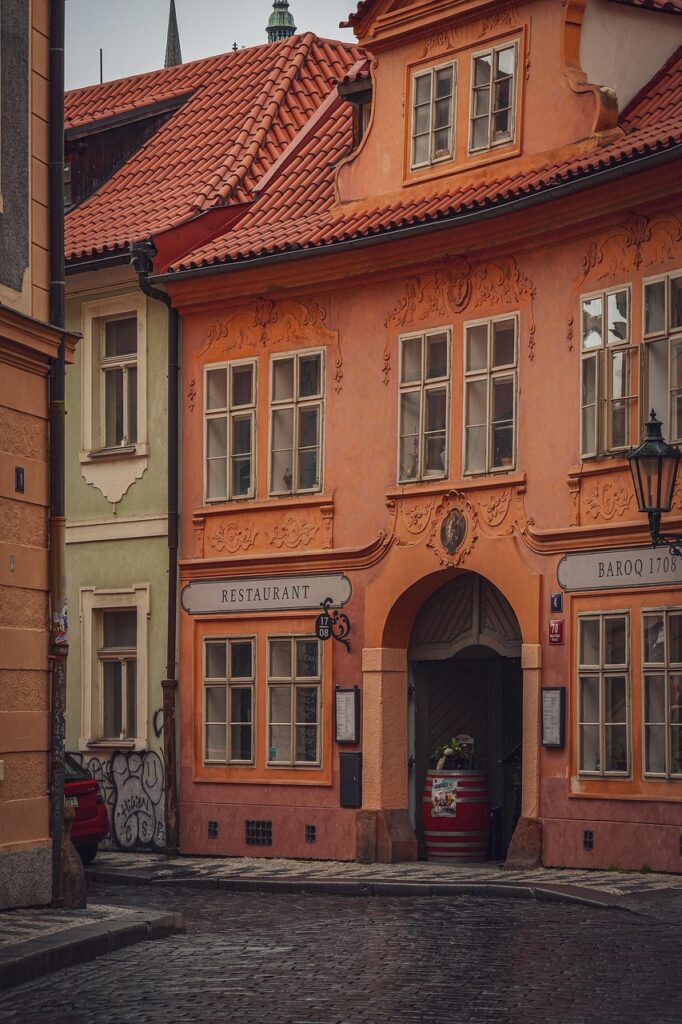






Introduction: Coffee, bells and legends — a street corner in Catania
Catania often tells its story out loud: the cries of the Ionian Sea, Etna’s eruptions of greenery on the horizon, and baroque cobbles polished by residents’ footsteps. But some tales are quieter, concentrated at a street corner where the chime of a nearby church bell mixes with the smell of a freshly pulled espresso. “Coffee, bells and legends” isn’t just a poetic turn of phrase — it’s a walking guide full of routes and anecdotes for anyone who wants to discover Catania through its little everyday scenes: a café terrace, the carved door of a monastery, a stone bench where stories of long ago are swapped.
In this practical yet atmospheric guide, I’ll lead you along the streets that make the historic heart of Catania beat: Via Etnea, Piazza del Duomo, Via Crociferi, the Pescheria and their surroundings. You’ll find precise addresses (full names, exact addresses), opening times, indicative prices in euros and immersive descriptions to help you choose where to grab a coffee, rest in the shade of a doorway, or listen to a local legend whispered by a street vendor. It’s these micro-experiences — a cappuccino downed in a few sips, a statue observed in the midday sun, a bell vibrating across a square — that form Catania’s true memory.
Expect practical details: how much an espresso costs at a traditional bar, when the fish market’s auction begins, how much you’ll need to book an opera at the Teatro Massimo Bellini, or the visiting hours of the Monastero dei Benedettini. And, naturally, local tips to streamline your route: where to sit for the best Etna view from Via Etnea, how to avoid queues at the Duomo, which pastry to pick to go with your coffee, and how to haggle at the market.
This guide aims to be both a mood diary and a practical tool. I’ll take you step by step, corner by corner, through iconic sites and lesser-known nooks. Come with the intention to listen: the bells marking the hours, the voices of Pescheria fishmongers, the scrape of cappuccinos against ceramic cups — sonic landmarks to orient yourself in a city that loves to tell its stories. So let’s go: a sensitive, well-informed route through the heart of Catania.
1. Piazza del Duomo and the baroque view: architecture, cafés and traditions
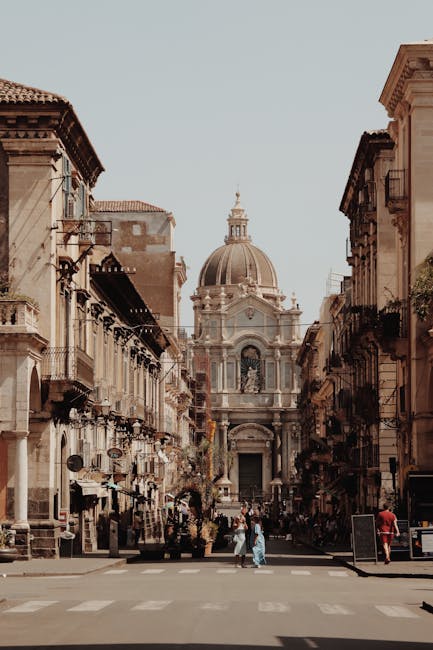
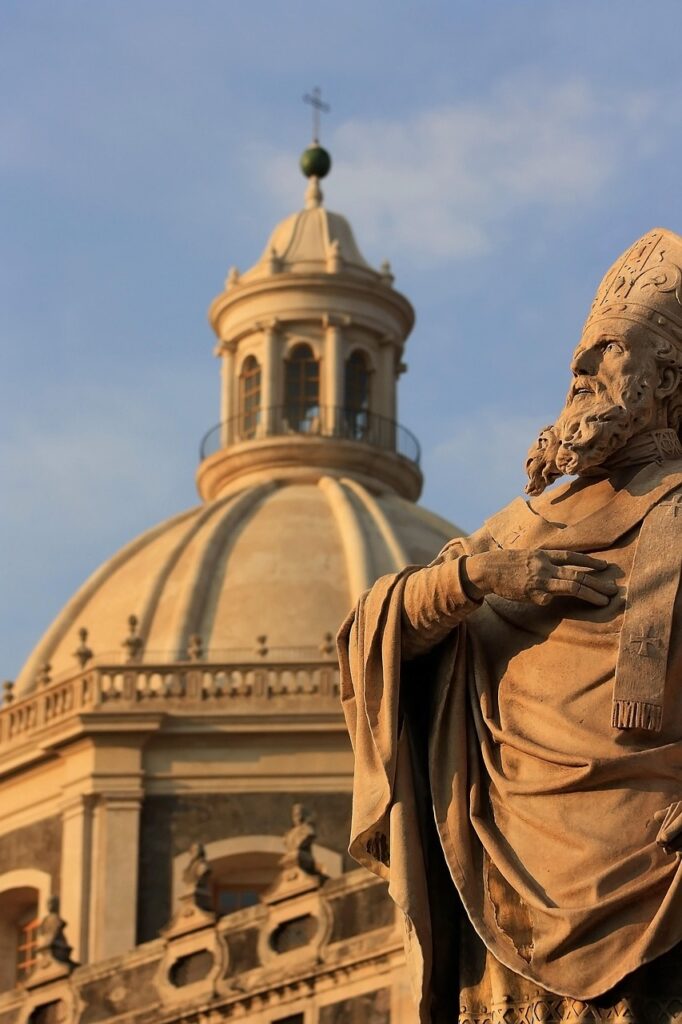
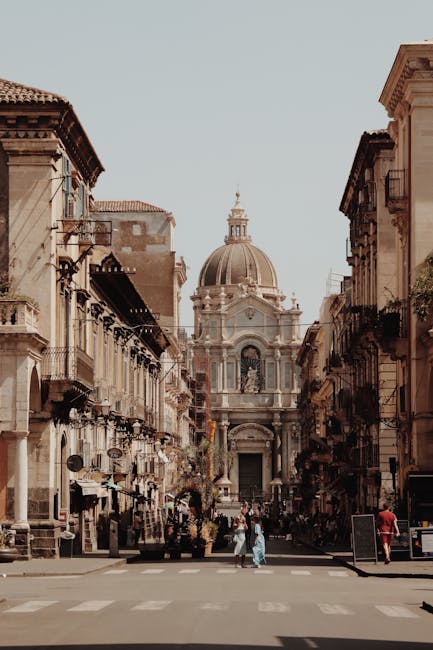
Piazza del Duomo (Piazza Duomo, 95100 Catania CT) is Catania’s nerve center. Here, beneath the solemn gaze of the Cattedrale di Sant’Agata (Via Vittorio Emanuele II, 24, 95131 Catania), life unfolds between tourists and locals. The cathedral, devoted to Saint Agatha, the city’s patron saint, displays a baroque façade punctuated by twin bell towers and volutes. Typical opening times for the Cattedrale di Sant’Agata are: 7:30 AM to 12:30 PM and 4:00 PM to 7:30 PM (times may change for services). Entrance is free, but guided tours of the treasury and the adjacent archaeological museum can cost between €3 and €6.
On the corner of the square, several traditional cafés offer quick caffeine stops: Bar Caffè del Duomo (Piazza Duomo, 14, 95131 Catania) serves an espresso from €1.00 and a cappuccino between €1.50 and €2.50 (counter prices, March 2024). For a table on the terrace, expect an extra €1.50 to €3.00 depending on location. Bar Pasticceria Savia (Via Etnea, 277, 95131 Catania) is another recommended spot to enjoy cannoli and cassata, Sicilian pastries, from around €2.50 each.
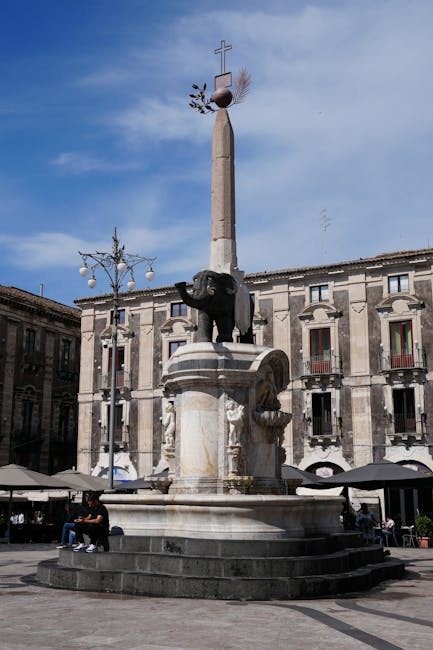
Around the square you’ll see the Fontana dell’Elefante, Catania’s emblem sculpted by Vaccarini. Notice the way light melts across the carved stone relief late in the afternoon: the square turns a golden hue. It’s also a handy starting point for a guided walking tour. For tourist information, the local office (IAT Catania, Via Etnea, 300) is typically open from 9:00 AM to 6:00 PM in high season; they sell maps, guided tours and combined tickets.
Local tip: come early (7:00–9:00 AM) to enjoy the square almost empty and to grab an espresso at the counter without the rush. If you want to experience the Duomo during Saint Agatha celebrations (February), prepare for massive crowds and book your accommodation well in advance. For Etna views from Piazza del Duomo, head up Via Etnea to around Via Etnea 181 where the perspective opens up.
2. The Pescheria: auctions, scents and sea legends
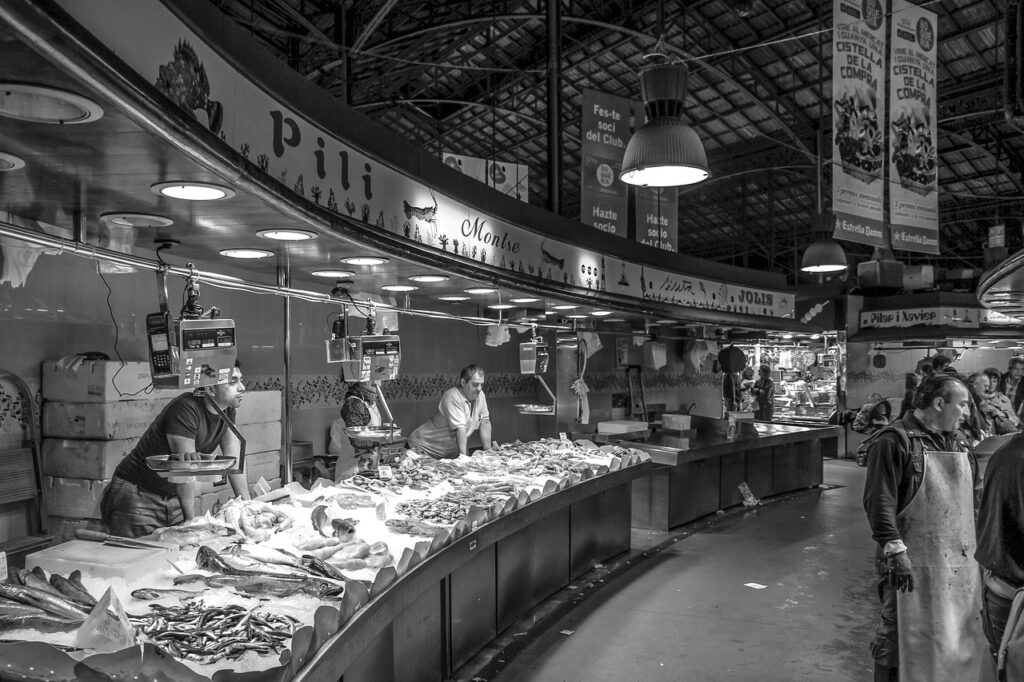
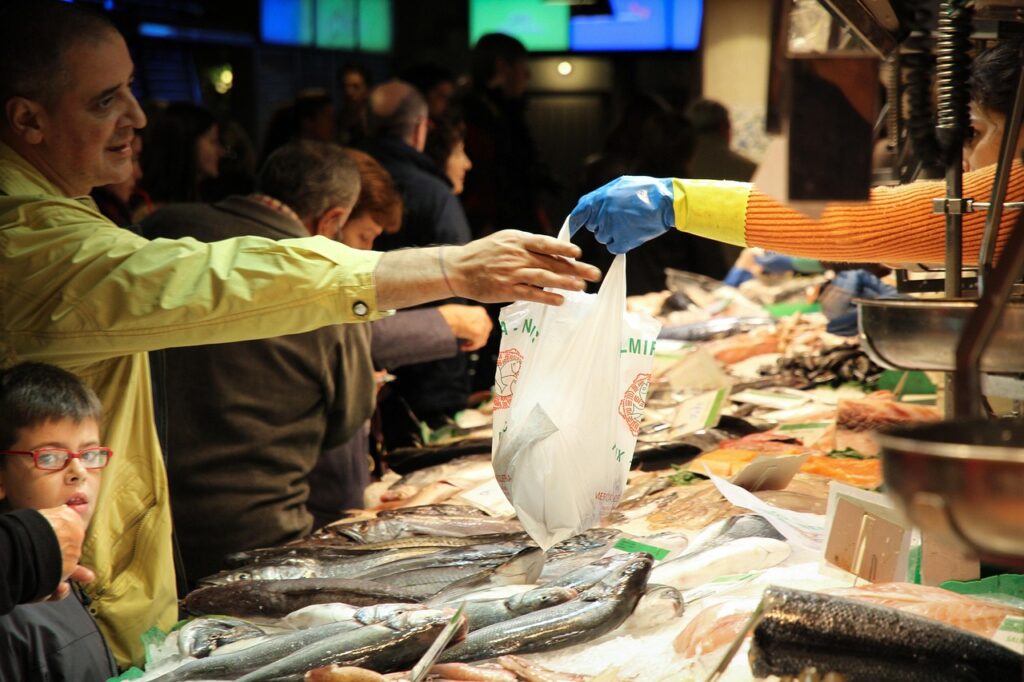
The Pescheria di Catania (Piazza Carlo Alberto, 95131 Catania) is more than a market: it’s a performance. At dawn, fishmongers shout their wares, trays of fish shine like mirrors and salty smells trail you. Typically open from 6:00 AM to 1:00 PM every day except Sunday (hours may change in winter), the Pescheria is the perfect place to watch the city’s culinary traditions at work. You’ll find sardines, tuna, octopus and dried fish; prices vary by season: a portion of fish for a takeaway fry can cost between €5 and €12.
Several stalls offer on-the-spot tastings: a panino with fish parmigiana or a portion of « frittura mista » (mixed fried seafood) will set you back about €6–€10. If you buy fish to cook at home, haggle politely: locals appreciate respect and a sense of humor. The Pescheria is also steeped in legend: some old fishermen supposedly recognized approaching schools of fish by the color of the waves, and tales say a reliquary of Saint Agatha was once carried by sea under cover of night.
Practical tips: bring small bills and coins (€2–€10), because many vendors prefer cash. If you want to take photos, ask the sellers’ permission — they often like to pose and show off their craft, which makes for authentic shots. For a genuine lunch, head to the stall « Taverna La Pescheria » (Piazza Carlo Alberto, 15) which serves fresh dishes from around €10.
3. Via Crociferi and the monasteries: bells, cloisters and baroque hush
Via Crociferi (Via Crociferi, 95131 Catania) is one of Catania’s most elegant baroque streets. It links Piazza San Francesco d’Assisi all’Immacolata to Via Etnea and is lined with remarkable religious buildings: the Chiesa di San Benedetto (Via Crociferi, 11, 95131 Catania) with its famous baroque staircase, and the Monastero dei Benedettini di San Nicolò l’Arena (Piazza Dante Alighieri, 32, 95124 Catania) — one of Europe’s largest monastic complexes.
Chiesa di San Benedetto, often closed for services, can be visited as part of guided tours of Via Crociferi. Opening times vary; most churches open from 9:00 AM to 12:30 PM and then from 3:30 PM to 6:30 PM. Entrance is usually free, but donations of €1–€3 are appreciated for upkeep. The Monastero dei Benedettini (Piazza Dante Alighieri, 32) runs paid guided tours: expect €6–€8 per person for a standard visit, with student rates around €4. Tours grant access to cloisters, inner courtyards and terraces with Etna views.
Via Crociferi’s atmosphere is defined by bells and the hush of stone: pause at carved portals, study wrought-iron grilles and imagine monastic life of the past. In the afternoon tourists thin out and the street regains an almost meditative calm. Several artisan workshops and small bookstores hide down the side alleys. A local legend says a nun from the monastery once saved the city from an epidemic by preparing a potion of citrus and herbs — the recipe has been lost, but it still inspires artisanal liqueur makers.
Local tip: favor a morning visit to photograph façades without harsh shadows. Book the Monastero dei Benedettini tour in advance via the Polo Regionale Museale della Sicilia website to secure your spot (prices and times change by season). After your visit, stop at Gelateria Caffetteria Catania (Via Crociferi) for a lemon granita (from €2.00) and listen for the bell tolls.
4. Teatro Massimo Bellini and musical nights: tickets, times and ambiance
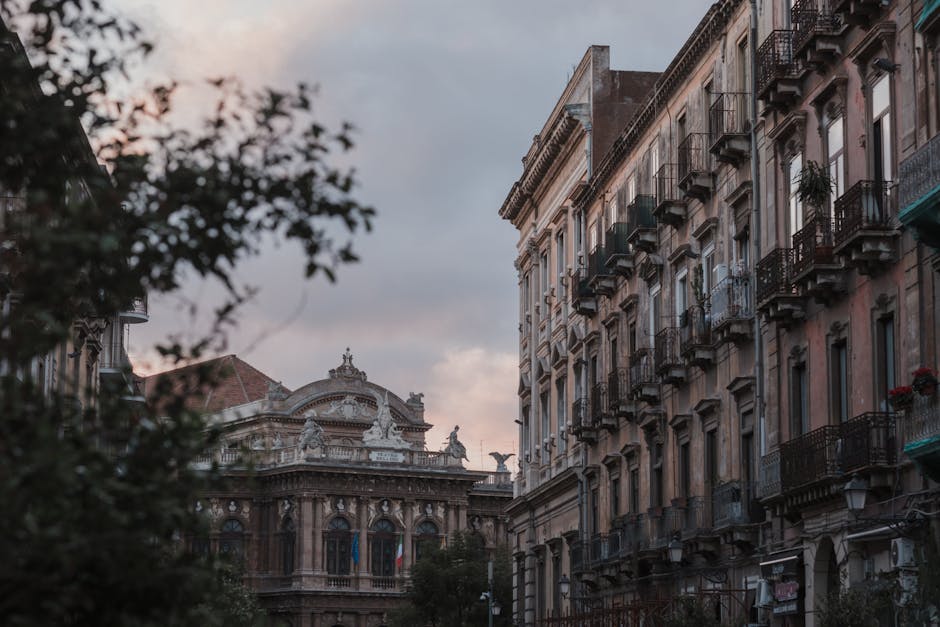
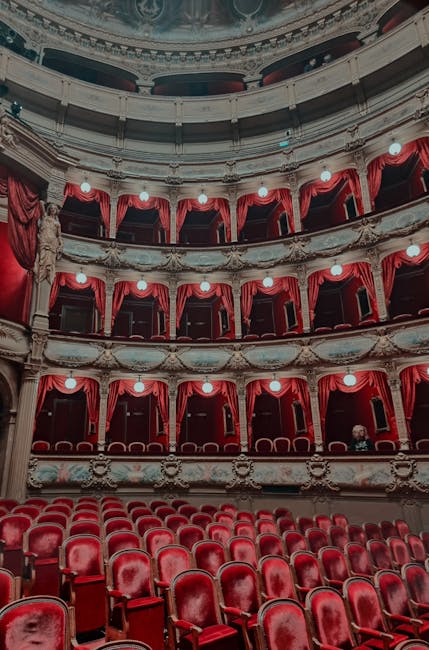
Teatro Massimo Bellini (Via Vincenzo Bellini, 12, 95131 Catania) is a 19th-century lyrical gem dedicated to composer Vincenzo Bellini, a native son. The theatre stages operas, concerts and ballets year-round. The box office is on site; opening hours are generally 10:00 AM–1:00 PM and 4:00 PM–7:00 PM, with extended hours on performance nights. Ticket prices vary widely: gallery seats start around €10–€15, while orchestra seats or boxes range from €35 to €80 depending on the event.
Daytime visits are also possible: guided tours (about 50 minutes) allow access to the foyer, salons and the main auditorium; indicative price: €7–€10 per person, with student and senior discounts. The acoustics and interior decoration — red velvet, gold leaf — recreate the atmosphere of a time when opera was the center of social life. On performance nights, the street fills with elegantly dressed patrons; it’s one of the best chances to experience Catania’s social scene.
Practical tip: book your tickets online via Teatro Massimo Bellini’s official site to secure the best seats and avoid queues. If you want a more intimate experience, sign up for public rehearsals when available (subject to scheduling). For a pre-show dinner, try Trattoria da Antonio (Via Etnea, 281, 95131 Catania), offering menus from around €18.
5. Via Etnea, shops and viewpoints: strolling, cafés and Etna vistas
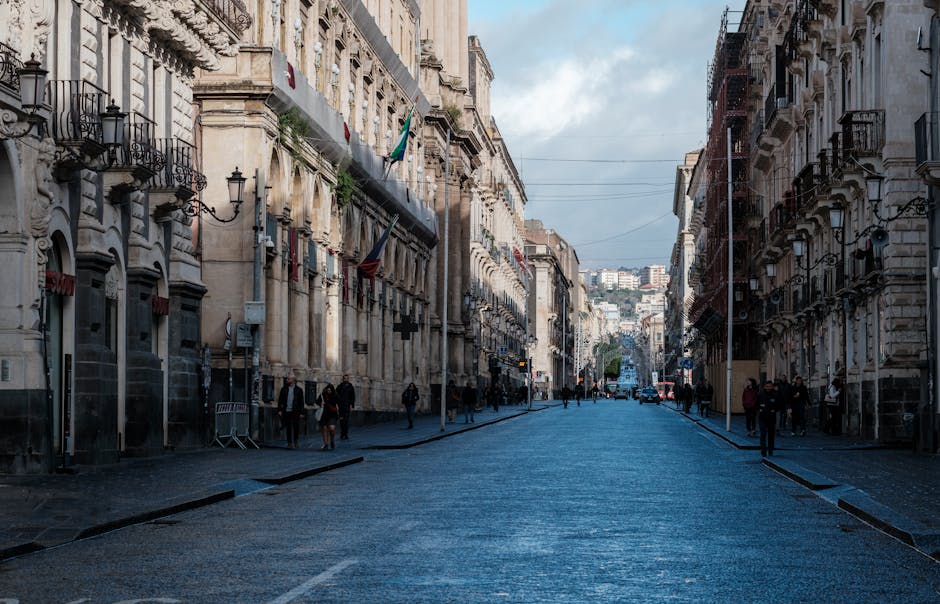
Via Etnea is Catania’s main avenue, a long lively artery lined with shops, cafés and theatres. Walking north from Piazza del Duomo you’ll pass fashion stores and small artisan delis. Notable stops include Caffè del Corso (Via Etnea, 246, 95131 Catania) and the Feltrinelli Bookshop (Via Etnea, 284, 95131 Catania) for a cultural pause.
Via Etnea opens up unique perspectives on Etna: depending on where you stand, the volcanic slopes appear in the distance, sometimes capped with clouds, sometimes bathed in sunlight. For a particularly photogenic panorama, walk up to Via Etnea 181–200 where the view lengthens and Catania’s rooftops line up toward the volcano. Shops typically open 9:30 AM–1:00 PM and 4:30 PM–8:00 PM; cafés are more flexible, often opening as early as 7:30 AM and some staying open past midnight.
Practical prices: an arancino (arancina in local tradition) usually costs €2.50–€4.00; a bistrot lunch on Via Etnea can range from €12 to €25 depending on the menu. If you’re planning an Etna trip from Catania, several local agencies (e.g. Etna Experience, Via Etnea 250) offer tours from around €40 per person for a half-day, up to €80–€120 for 4×4 excursions or trips with specialized guides.
Local tip: to avoid the summer heat, stroll in the morning or late afternoon. Try a « granita al mandorla » (almond granita) with a brioche (from €3.50) at one of the historic cafés. If you want a sunset shot with Etna in the background, choose a rooftop terrace around Via Etnea 218–230 (some terraces are open to the public with a minimum purchase).
6. Castello Ursino and stories carved in stone: museum, gardens and urban views
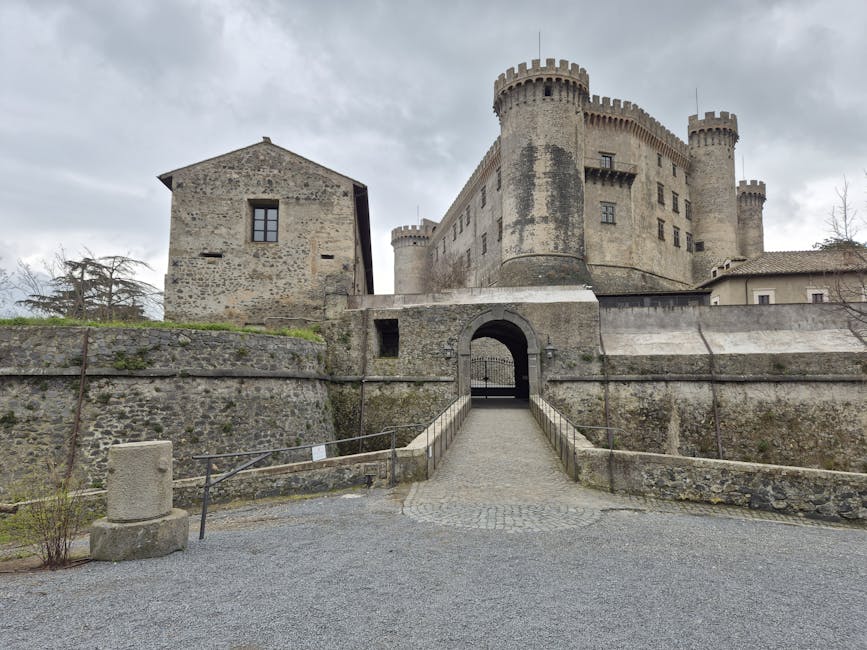
Castello Ursino (Piazza Federico di Svevia, 95123 Catania) is a 13th-century medieval fortress. Today it houses the Museo Civico (Civic Museum of Castello Ursino) with archaeological collections, ceramics and local paintings on display. The castle is usually open from 9:00 AM to 7:00 PM; admission: €6–€8 for adults, with discounts for students and seniors (rates vary with temporary exhibitions). The interior rooms narrate Catania’s history across centuries: floods, eruptions and rebuilding.
Around the castle, the gardens and the promenade alongside it offer views of the sea and nearby streets. Thick walls, towers and moats create an almost medieval European atmosphere, rare in Sicily. Temporary exhibits are often worth a visit, and the museum staff sometimes offer audio guides in Italian and English (around €3).
Practical tip: combine your Castello Ursino visit with a walk along the lungomare (seafront promenade) to feel the contrast between fortress and sea. On weekends, arrive early to avoid crowds and enjoy temporary exhibitions without waits. The museum café and nearby bars serve simple meals for €8–€15 if you want to linger.
Conclusion: taking a street corner home with you
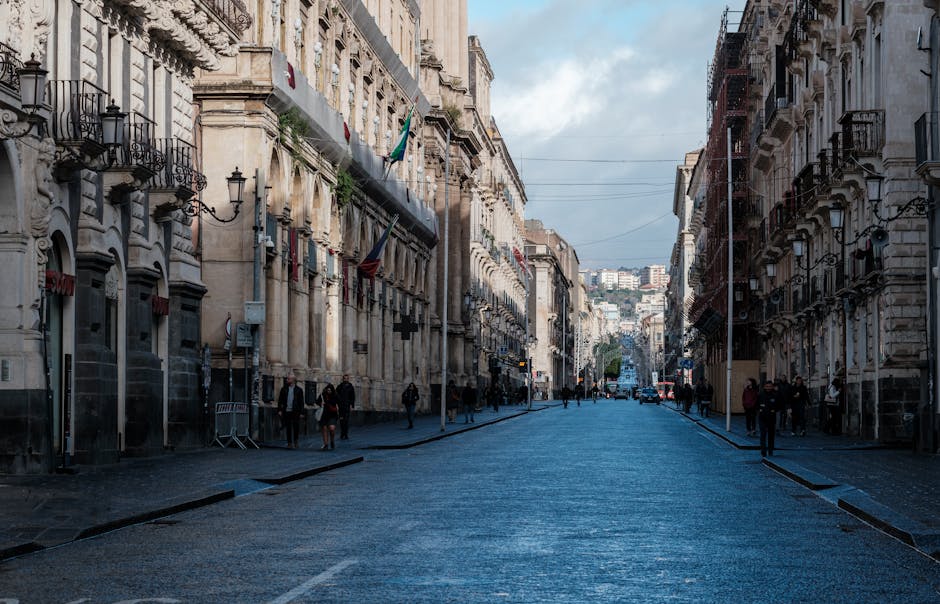
Catania reads like a book you leaf through on foot: each corner delivers a scene, a flavor, a sound. From the bells of Via Crociferi’s churches, to the ordered clamor of the Pescheria, the theatrical elegance of Teatro Massimo Bellini and Via Etnea’s majestic view of Etna, travelers have a palette of intimate, tangible and memorable experiences. This guide aimed to blend atmosphere with practicality: exact addresses, opening times and indicative prices help you plan, while immersive descriptions prepare you to live Catania like a local, not just a visitor.
A few final tips: favor cash for small market purchases; respect local customs (don’t raise your voice in churches, ask permission before photographing some vendors); and above all, leave room for the unexpected in your schedule: an unplanned break on a café terrace, a chat with a fishmonger, or listening to a rehearsal at Teatro Bellini can become your most treasured memories. If you travel in February for Saint Agatha’s feast, anticipate crowds and book accommodations and tickets months in advance.
Finally, remember that Catania is a living city subject to seasonal schedule changes and local events. Always check museum and religious office hours before you go (official sites or local tourist offices). And when you leave, take a sound image in your suitcase: a church bell, a fishmonger’s shout, the clink of a coffee cup — small legends that will echo long after you’re home.