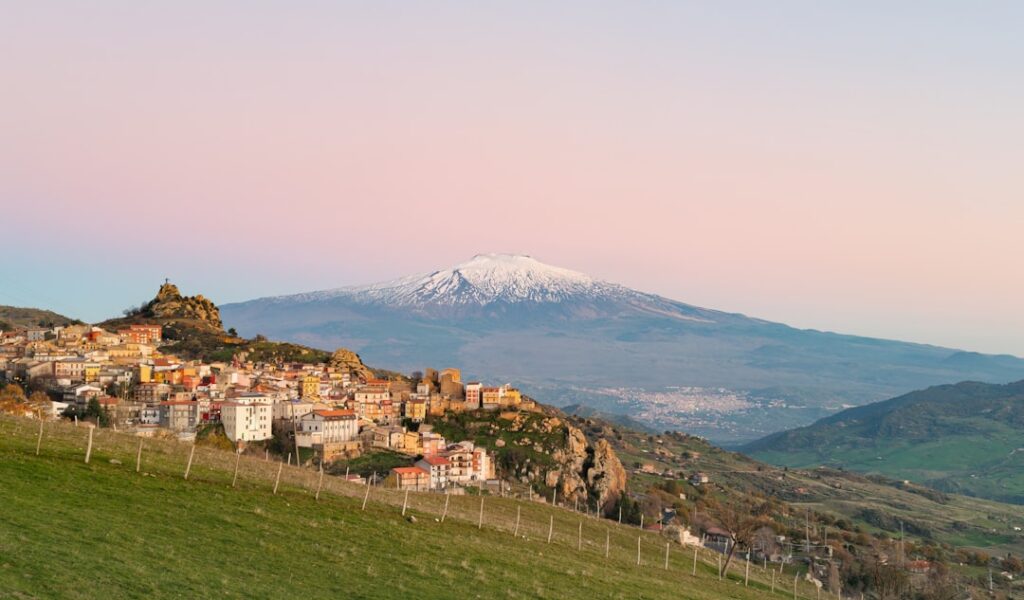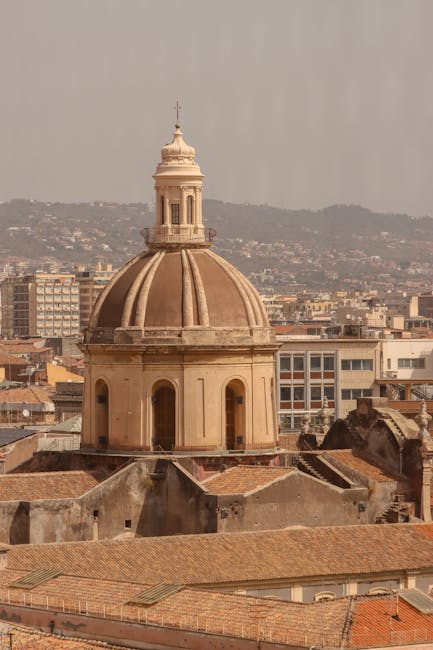






Introduction: Little Doors, Big Stories — Discovering Catania’s Hidden Quarters
Catania isn’t just a city of contrasts between black lava stone and ivory Baroque; it’s a place that tells its story through thresholds. Behind each little door — whether battered, trimmed with wrought iron, or painted in bright hues — you’ll find a tale: families, craftsmen, religious confraternities, noisy markets, master cooks’ workshops and secret gardens. Wandering Catania means slipping into those urban crevices where popular history meets major events — eruptions, earthquakes, architectural renaissances — and where everyday life keeps unique rituals alive.
This immersion will take you off the beaten path, toward modest doors opening onto inner courtyards, tucked-away oratories and narrow lanes scented with flour, fish and salt. Shaped by Etna, the city’s people have learned to rebuild and adapt, shaping neighborhoods that still overflow with traditions. Those little doors become prompts to slow down and listen: the voice of a fishmonger calling customers at La Pescheria, the clink of a metalworker at his bench, or the prayers rising in a tiny Baroque chapel.
We offer a narrative route blending exact addresses, hours and prices with immersive descriptions to help you cross those thresholds. You’ll find practical tips on how to listen to the city without rushing it: what time to visit the market to feel morning pulse, how to book a guided tour of the Monastero dei Benedettini to reach the heart of a cloister, or which stretch of Via Etnea gives the best Etna view at sunset. Every door mentioned is an invitation — sometimes subtle, sometimes loud — to understand Catania at street level. Expect to be surprised by the generosity of locals, the wealth of small chapels and the unforgettable taste of local specialties like arancino and the Sicilian cannolo. Prices, addresses and schedules are included to help you access these hidden gems, along with practical advice on parking, public transport and the best time of day to soak up each place.
Prepare to reach out, push aside discreet leaves and discover stories contained in just a few square meters. In Catania, it’s often the humblest doors that hold the biggest stories.
The Market Doors: La Pescheria and the Lively Alleys
La Pescheria in Catania is more a daily ritual than a mere market. Located at Piazza del Duomo, 95131 Catania, it comes alive at first light, when the auctions, fresh fish and bargaining create a chaotic harmony. The market spreads along Via Pardo and around Piazza del Duomo, in the shadow of the Cattedrale di Sant’Agata. Stalls overflow with sardines, tuna, octopus and countless shellfish, along with local vegetables and olives. To make the most of it, be there early: the best window is between 7:00 and 10:30. Official stall hours vary, but La Pescheria is generally active from 7:00 to 13:00 on weekdays; some vendors stay open until 15:00 on Saturdays.
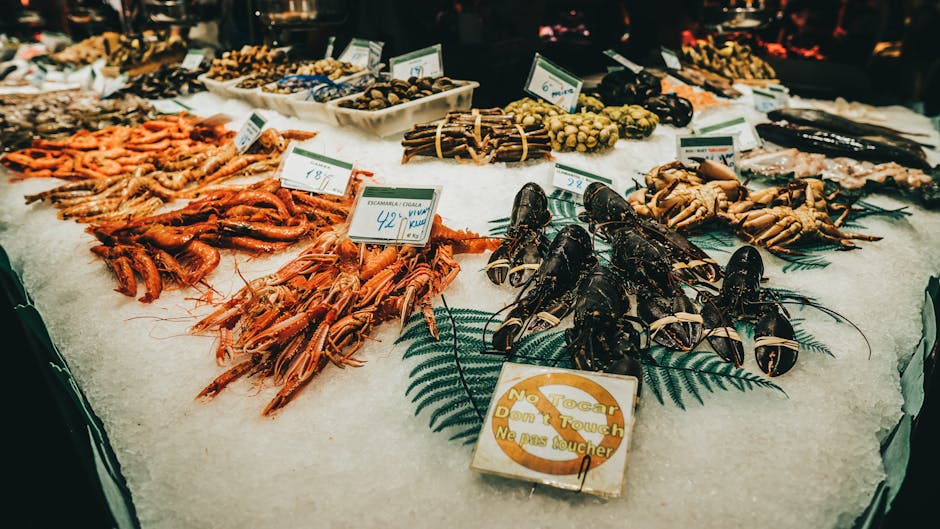
Practical tips: bring reusable bags and some small change for quick purchases; haggling is part of the ritual but remains friendly. Watch for parking: around Piazza del Duomo parking is paid and limited; favor public lots like the Parcheggio via Etnea (Via Etnea, near the center). If you want to try prepared foods, look for hot arancini sold at the street stands (about €2.50–€4 each depending on size) and don’t miss a quick granita (≈ €2–€3).

For a guided experience, some private food tours start from La Pescheria around 9:00 and include tastings: approximate price €35–€60 per person depending on duration (3 hours recommended). The market is also a spot for social observation: the women vendors, often multi-generational, share stories and tips about the best local fishing spots. Respect vendors’ space, ask permission before close-up photos and keep a low, respectful profile in the narrowest alleys.
Baroque Doors: Via Crociferi, the Chiesa di San Benedetto and Hidden Oratories
Via Crociferi is the most evocative street to grasp Catania’s Baroque, lined with churches and convents whose portals are rich with sculpture. Start at the Chiesa di San Benedetto (Via Crociferi, 15, 95131 Catania), part of a historic monastery whose cloister and cells speak of centuries of monastic life. The church is usually open from 9:00 to 12:30 and from 15:00 to 18:00; entry is often free, though contributions of €1–€3 are appreciated for maintenance.
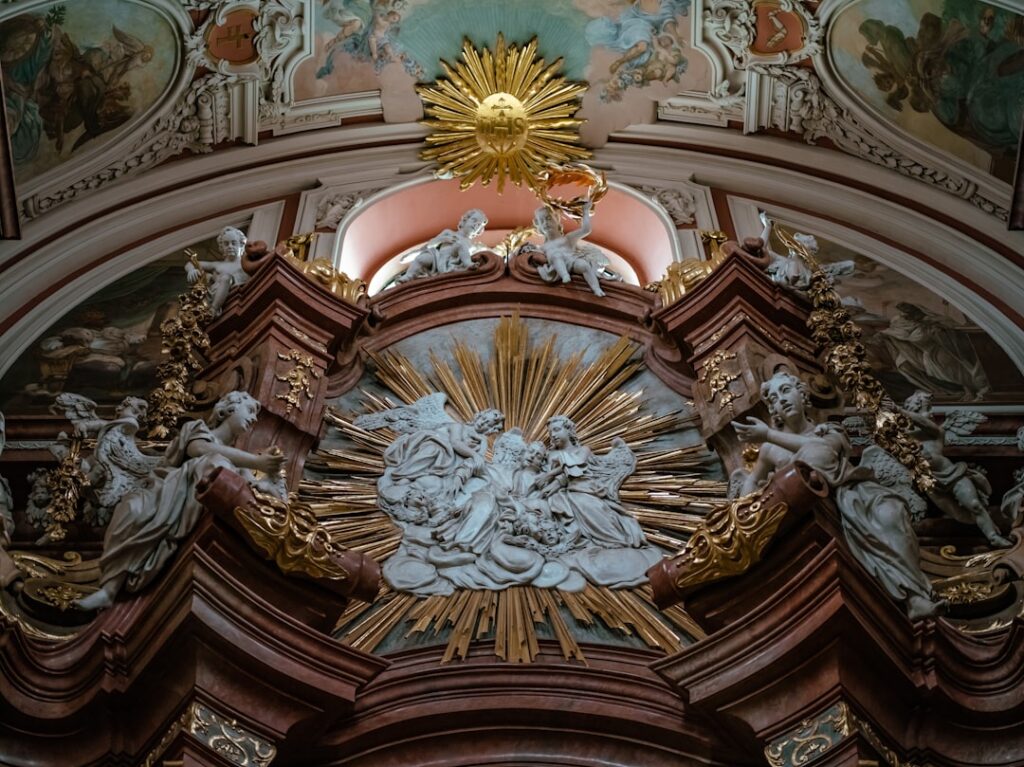
Around Via Crociferi, look for small carved wooden doors: they lead to private oratories, hidden gardens or craftsmen’s workshops. The Monastero di San Benedetto (Piazza Dante Alighieri, 32) offers guided tours of the Benedictine complex, typically from 10:00 to 18:00; an indicative price is €6–€8 for admission and a guided tour (reservations recommended via the university park website or the local tourist office).
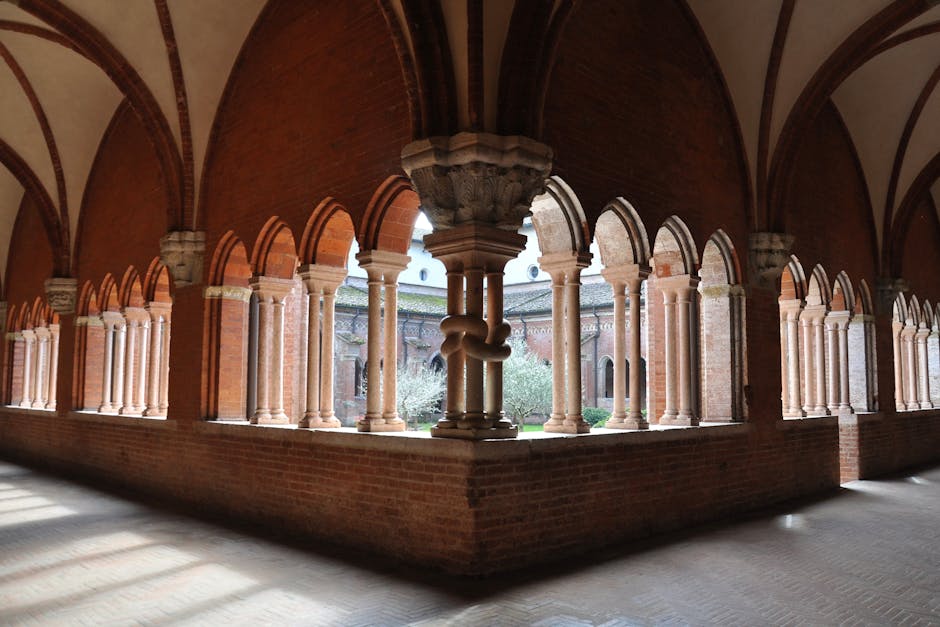
Practical tips: Via Crociferi is pedestrian and quieter early in the morning or late afternoon. If you’re into architectural photography, the golden morning light reveals the sculpted reliefs on the façades. Respect places of worship: avoid very revealing clothing, keep voices low and follow posted visiting hours. Several small bookshops and icon workshops hide in adjacent alleys, perfect for buying a reproduction or a handmade souvenir. And if a door is closed, don’t hesitate to ask politely: often a key or an opening can be arranged with a local guide or the site’s caretaker.
Stone Doors: Castello Ursino, Piazza Federico di Svevia and the City Walls
The Castello Ursino is both a figurative and literal gateway to Catania’s medieval past. Located at Piazza Federico di Svevia, 95121 Catania, this 13th-century castle turned museum (Museo Civico) is usually open from 9:00 to 19:00 (last admission around 18:00); entrance costs roughly €5–€6 for adults, with discounts for students and seniors. Inside, rooms hold sculptures, ceramics and temporary exhibitions that trace the city’s urban evolution from the Aragonese period to modern times.
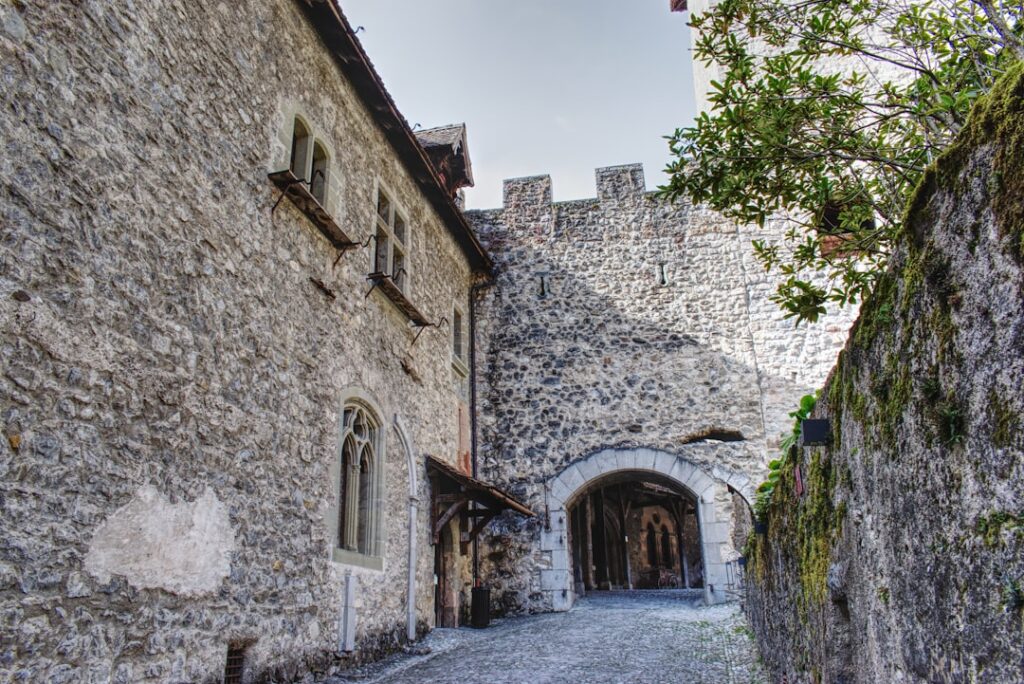
The castle is an ideal starting point to explore the old city walls and the nearby narrow streets where discreet stone doors open onto hanging gardens and courtyards where families hang laundry in the sun. The walk around the castle also reveals Catania’s dynamic blend of port and downtown. For photographers, morning light softens the battlements while sunset paints the ancient lava in warm tones against the sky.
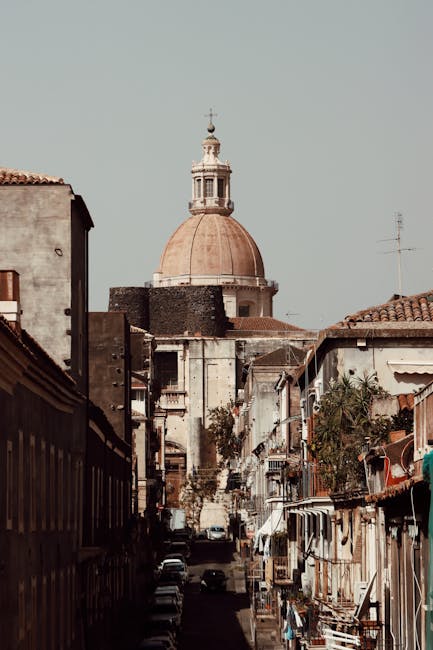
Practical tips: combine a visit to Castello Ursino with a detour to La Pescheria market (10 minutes on foot) and a stroll up Via Etnea for Etna views. To avoid queues, buy your tickets online when possible or arrive at opening time. If you’re driving, the nearest parking is Parcheggio Piazza Cutelli (Via Etnea, near the castle); expect about €1.20–€1.50 per hour depending on season. Audio guides and English tours are sometimes available for an extra €3–€5.
Doors of Culture: Monastero dei Benedettini, Teatro Massimo Bellini and Art Studios
The Monastero dei Benedettini (Piazza Dante Alighieri, 32) and the Teatro Massimo Vincenzo Bellini (Via Giuseppe Garibaldi, 39, 95131 Catania) are two gateways into the city’s living cultural scene. The Monastero, now part of the University of Catania, offers guided tours of the vast monastic complex, including cloisters and ceremonial halls. Visiting hours vary; generally tours run between 9:00 and 17:00 and tickets are around €6–€8. Thematic university tours often require prior reservation through the Monastero’s site or the Catania tourist office.
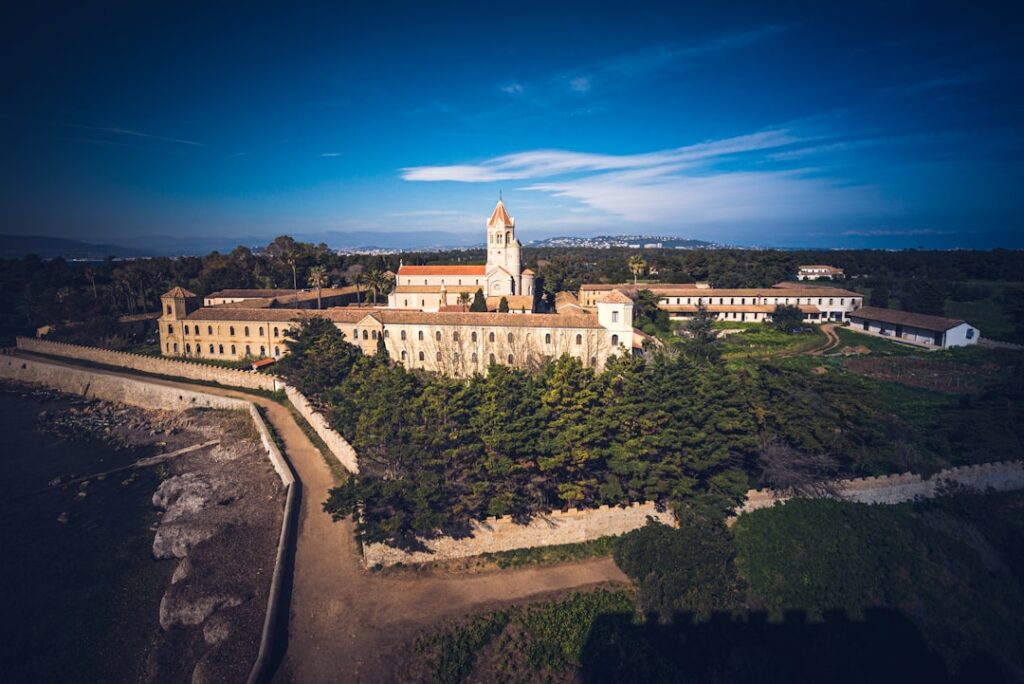
The Teatro Massimo Bellini, dedicated to composer Vincenzo Bellini, hosts opera productions and concerts; the box office is usually open from 10:00 to 13:00 and from 16:00 to 19:00, and prices vary widely: from €10 for gallery seats to > €80 for premium seats depending on season and programming. Guided backstage tours of the theatre are offered several times a week (around €10 per person) and let you pass through doors reserved for artists and technicians, revealing the behind-the-scenes magic.
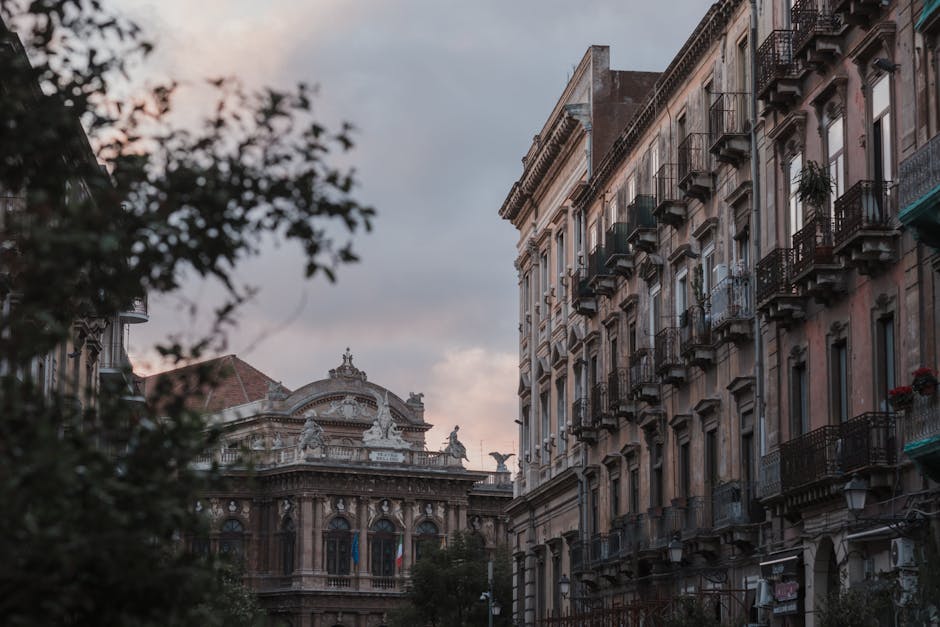
Practical tips: check the Bellini’s program before your trip (official site) — catching a performance is unforgettable. For the Monastero, favor guided tours at dusk for a special atmosphere in the cloisters; the corridors’ acoustics and slanting light enhance the stone. Also seek out small galleries and mosaic studios around Via Sangiuliano and Piazza Dante: many doors open onto creative spaces, often accessible by appointment. Workshops may accept drop-in visits, but it’s best to call ahead: demonstration workshop fees ≈ €10–€20 depending on the activity.
Conclusion: Enter to Understand — Final Tips and Practical Routes
Stepping through a door in Catania is accepting a share of personal and collective history. The small doors mentioned in this article — La Pescheria, the oratories of Via Crociferi, Castello Ursino, the Monastero dei Benedettini and Teatro Massimo Bellini — are all openings onto a city shaped by Etna, the sea and centuries of Mediterranean exchange. To turn your visit into immersion, plan for quiet time slots (early morning or late afternoon), book guided tours for the most popular sites and always carry a bit of small change for contributions or spontaneous purchases.
Practical: the historic center is easily explored on foot; the main spots mentioned are within a 20-minute walk of each other. City bus lines (AMT) serve the areas near Castello Ursino and Teatro Bellini; for real-time schedules check the AMT Catania app or ask at the tourist info point in Piazza Duomo (usually open 9:00–18:00). If driving, favor public parking (Parcheggio Piazza Cutelli, Parcheggio via Etnea) and avoid ZTL zones in the center; signs indicate times and restrictions.
On local etiquette: photograph discreetly, ask permission for portraits and avoid blocking market aisles. People in Catania are welcoming and often glad to share a story if you show genuine interest. Finally, wear comfortable shoes — cobbles and uneven sidewalks are part of the landscape — and bring a light umbrella if you visit during the season of brief showers. In short, let yourself be tempted by these little doors: they are the key to an authentic trip that turns a simple walk into a string of memorable encounters and stories to bring home.