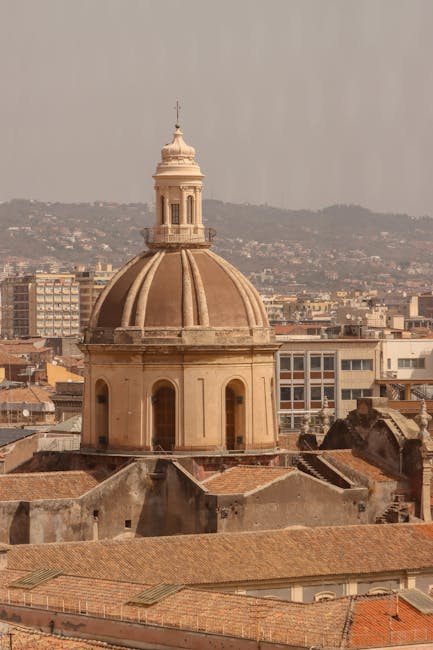






Introduction: The Lanes That Whisper Behind Piazza del Duomo
When you think of Catania, Piazza del Duomo naturally comes to mind: the outline of the Duomo di Sant’Agata, the stone elephant, the lively buzz around the fountain. But tucked behind that baroque and neoclassical showcase is a maze of narrow streets where the city reveals its spiciest truths — its laughter, arguments, secret romances and culinary rituals. These colorful anecdotes scattered along the small streets that run perpendicular and parallel to the piazza often go unnoticed by hurried passersby; they require you to stop, be curious and listen closely to be uncovered. This article takes you into those less-photographed alleys — Via Etnea, Via Crociferi, Via Vittorio Emanuele II, the Pescheria — and decodes stories about characters, smells, shops, traditions and odd events that form Catania’s popular soul.
You’ll find believable, documented tales, places listed with exact addresses, practical opening hours and prices for travelers, as well as local tips on how to enjoy these vignettes without being intrusive. Picture yourself at dawn, wandering between the stalls of the fish market just steps from Piazza del Duomo (Piazza del Duomo, 95131 Catania CT), or late at night nibbling a « cipolla alla catanese » on a warm stone under antique street lamps. The lanes tell stories: the old bookseller’s cat that once saved a rare translation, a heated family argument on the doorstep of a trattoria on Via Crociferi, an impromptu procession after a big football win — and occasionally, a strange ritual meant to lift a curse from a historic building.
Each anecdote comes with context: the monument or shop, exact address, usual opening hours, ticket prices if applicable, and recommendations to enjoy the scene respectfully. We’ll round the route out with sensory suggestions (smells, textures, sounds) and practical advice (best time to visit, how to avoid queues, less-touristy alternatives) so you can turn these stories into lasting personal memories. Get ready to see Catania differently: not as a simple stop on a Sicilian itinerary, but as a living city where every alley has a tale — often spicy, sometimes moving, and always authentic.
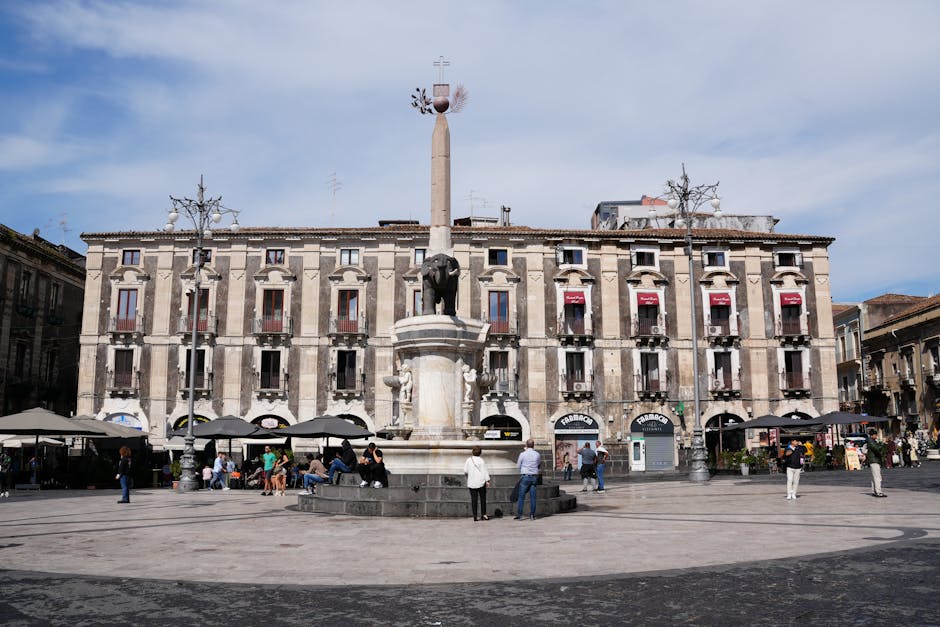
The Secrets of Duomo di Sant’Agata and the Elephant Fountain (Piazza del Duomo)
At the heart of Piazza del Duomo stands the Cattedrale di Sant’Agata (Piazza del Duomo, 18, 95131 Catania CT), dedicated to St. Agatha. The main entrance opens onto an imposing baroque façade. Typical opening hours for the cathedral are 07:30–12:00 and 16:00–19:00 (check for seasonal changes and religious celebrations). Entry to the nave is free, but access to the Museo del Duomo (Cathedral Museum) is paid: roughly €3–€5 for adults (discounts often available for students or groups). Inside, the relics and silverware of Saint Agatha are displayed at certain times and can draw queues during the festivities on February 5th.
Right beside it, the Fontana dell’Elefante — the stone Elephant — is Catania’s beloved symbol (Piazza del Duomo). This basalt statue supporting an obelisk has generated a slew of local superstitions: stroke the elephant for luck before an exam, or slip a coin under its base to ensure prosperity at home. The neighbouring alleys — Vico Santa Filomena, Via Raddusa — brim with elephant-related tales: a former goldsmith who claimed to have found treasure under the statue, the boy who used the fountain as a secret meeting point for a date, and the old woman from the lane who read fortunes to tourists in exchange for a coffee.
Practical tip: the piazza gets packed between 10:00 and 16:00; for photos and to overhear local conversations, aim for the early morning hour (07:30–09:00) or twilight (after 19:00). The best nearby coffee for people-watching is Caffè del Duomo (Via Etnea, 64), usually open 07:00–22:00; an espresso costs about €1–€1.50. If you want a guided tour of the Duomo and the cathedral chapter, book ahead: guided tours run roughly 10:00–12:00, group rates about €5–€12 per person.
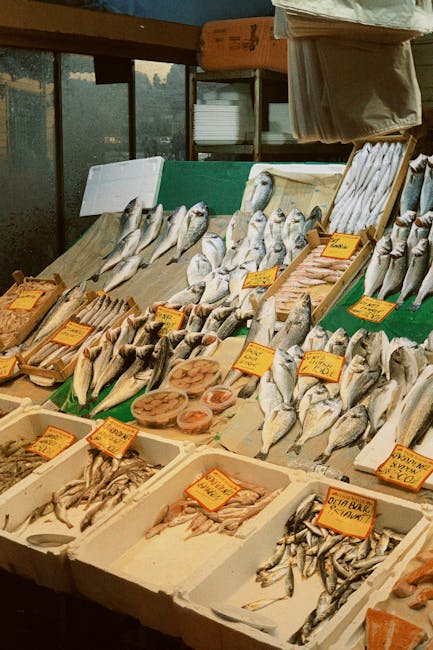
The Pescheria and Its Morning Dramas: Market, Voices and Trades (Piazza del Duomo to Via Pardo)
In the shadow of the cathedral, the Pescheria di Catania — the historic fish market stretching between Piazza del Duomo and Via Pardo — is a daily theatre of energy. Main address: La Pescheria, Piazza del Duomo, 95131 Catania CT (the market spills into the adjacent streets). Hours: generally active from 06:00 to 14:00, with peak action between 06:30 and 10:30. Note: bring cash — many stalls don’t take cards for small purchases (small amounts of €1–€10 for fresh seafood to take away). This market is a perfect place to observe lively exchanges between fishmongers, local chefs and residents; you’ll hear spirited debates about tuna freshness, noisy haggling and local anecdotes — once, a vendor announced on a local radio bulletin that a “sardine stall assignment” had sparked a neighborhood feud.
Several picturesque stories come out of the Pescheria: old Piero, always joking, who swore the squid talked at night; a young apprentice fishmonger who won a culinary prize with an improvised seafood take on « pasta alla Norma »; and the unwritten tradition where engaged couples buy their first fish together to bless their union with abundance. For visitors, a few etiquettes: don’t touch produce without asking, respect the early hours (vendors start closing around 13:00), photograph discreetly and if you sample something, always offer a small token in return (€0.50–€1.50 as a courtesy).
Food recommendation: try a fried fish-to-go prepared on the spot — for example, the « fritto misto » sold around Via Pardo — average price €4–€8 for a takeaway portion. If you want to dig deeper into the market’s history, visit the Museo del Pescatore (a small local exhibit sometimes hosted in municipal halls) or book a themed market tour (local guides about €15–€30 per person depending on length).
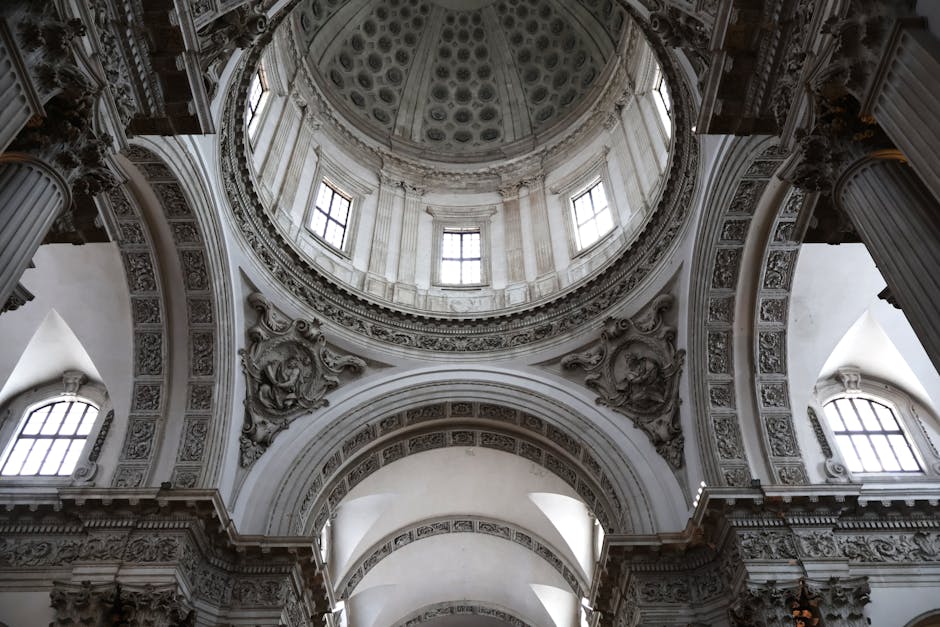
Via Crociferi, Convents and Sacred Gossip: Anecdotes Between Cloisters and Cafés (Via Crociferi and surroundings)
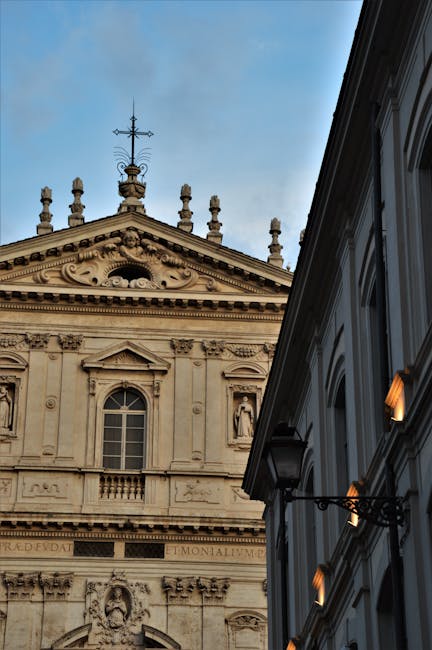
Via Crociferi (Via Crociferi, 95124 Catania CT) is a baroque gem listed for its churches and monasteries like Chiesa di San Benedetto al Monastero (Via Crociferi 87) and the extraordinary Monastero dei Benedettini di San Nicolò l’Arena (Piazza Dante Alighieri, 32). Opening hours vary: Chiesa di San Benedetto is typically open to visitors 09:00–12:00 and 16:00–19:00, while the Monastero dei Benedettini — which runs architectural guided tours — usually welcomes tours from 10:00 to 17:00 (approx. €6–€10 per person for the guided tour on catalog, with discounts for students and seniors). These convents spawned hundreds of legends: not only tales of forbidden affairs between novices and craftsmen, but also mysterious promises etched into cloister walls — inscriptions often faded by time but still recounted by longtime residents.
One popular tale claims that during the 19th-century cholera epidemic, nuns hid ration cards inside a saint’s statue to save entire families. Another story speaks of a wandering violinist who played every evening at the foot of San Benedetto; he became a local figure until people realized his compositions were inspired by a nun who used to whisper poems to him. These small dramas and romances color Via Crociferi and create a unique atmosphere between sacred silence and human gossip.
Visiting tips: favor the morning (09:00–11:30) to enjoy the cloisters’ calm. Tours of the Monastero dei Benedettini are often booked the day before (phone +39 095 230 90 11 for info and reservations); carry an ID, as it may be required for entry during special events. For food lovers, stop at Baroque Bistrot (Via Crociferi 46) for arancini and cannoli (arancino €2.50–€4, cannolo €2.50–€3.50) — sit on the steps, listen to passersby and leave room for the unexpected: you might witness an impromptu wedding or an unexpected local procession.
Small Squares and Trattorie: Neighborhood Cooking Stories (Via Etnea, Via Vittorio Emanuele II)
Just a few steps from Piazza del Duomo, Via Etnea (Via Etnea, the main shopping artery) and Via Vittorio Emanuele II (Via Vittorio Emanuele II, 95131 Catania CT) reveal trattorie, family-run diners and little piazzette where food and gossip mix. A must-visit is Trattoria da Antonio (Via Etnea, 303), generally open 12:00–15:00 and 19:00–23:00; typical dishes €8–€18 (pasta, fish of the day). A local classic is Pasta alla Norma served generously — legend has it a chef invented a grilled eggplant twist to impress a food critic from Palermo. Nearby, Ristorante Il Sale (Via Vittorio Emanuele II, 23) offers fish fillets and tasting menus around €25–€45 depending on the season.
Small squares like Piazza Stesicoro (Piazza Stesicoro, 95124 Catania CT) often host musicians and storytellers; locals gather to comment on the day and swap news. They say one summer night a group of fishermen sang until dawn after winning a big market auction, sparking an impromptu dance in the square. For visitors: listen, order a glass of local wine (a glass of Nero d’Avola around €3–€5 in an osteria) and let yourself be included in the conversation — Catanesi appreciate respectful, curious foreigners.
Practical tips: to dine well near the center, reserve between 19:30 and 20:30 to avoid the rush. Many small trattorie won’t take cards for low amounts; carry cash (plan €20–€50 per person depending on the meal). Try local sweets for dessert — cannoli (≈€2.50) and cassata (≈€3–€5) — and always ask what fish they recommend: « pesce del giorno » is often written on a board. To avoid tourist traps, follow the crowd heading into the narrow side streets: that’s where real family-style dishes are found.
Conclusion: Pocketing the Lanes
The spicy anecdotes of the lanes behind Catania’s Piazza del Duomo are tiny seasonings for the traveler: they perfume your stay and stick with you as living memories. By following these tales you realize Catania is not just a list of monuments to tick off, but a city that tells itself step by step — through a hand offering a freshly fried arancino, a vendor tossing a joke, a cloister that keeps secrets and a market that screams life at dawn. Full place names (Cattedrale di Sant’Agata, Fontana dell’Elefante, Pescheria di Catania, Monastero dei Benedettini, Chiesa di San Benedetto, Teatro Massimo Bellini, Castello Ursino), addresses and opening times give you the bearings to seek out these scenes, while practical tips — best times, indicative prices, local customs — make each encounter respectful and rich.
To carry these anecdotes with you, follow a few simple rules: walk slowly, listen, ask before photographing, and taste what’s offered. Book ahead if you plan to visit paid sites like the guided tour of Monastero dei Benedettini (Piazza Dante Alighieri, 32) or the Museo del Castello Ursino (Piazza Federico di Svevia, 1; entry ≈ €6; usual hours 09:00–19:00). Keep in mind morning market times (Pescheria 06:00–14:00) and adapt your rhythm: the juiciest stories often reveal themselves at dawn or at dusk.
In short, Piazza del Duomo is the gateway; behind it, the lanes are the true home of the city. They invite you to share in human moments, surprises and sometimes the strange. Take these stories with you but don’t turn them into a show: let them live, and you’ll leave Catania not only with beautiful photos — some taken at just the right moment — but above all with tales to tell. Buon viaggio e buona ascolto!