




Introduction — Volcanic Remnants and Myths in Catania’s Alleyways: a Different Take
Catania has a rough, volcanic beauty that draws crowds, often following ready-made checklists: Piazza Duomo, the stone elephant, Via Etnea and, of course, the organized trips to “see Etna.” Visitors funnel to the same landmarks, take the same photos and repeat the same mythic anecdotes about gods who shaped Sicily. What I’m offering here is an anti-guide: a way to deconstruct received wisdom and reveal a more attentive, slower — and, if you’re willing, more respectful — way of seeing. I’m not trying to denigrate mainstream tourism: the cathedral and the elephant are worthwhile. But in an era of mass tourism these places wear down, lose meaning, and above all prevent discovery of a more intimate Catania, where volcanic traces and local myths are found in narrow lanes, houses, black stones and everyday practices.
The historic center is literally built from Etna’s cooled lava; the black façades, coats of arms, paving stones and cornices tell a story as much geological as social. Yet crowds and prepackaged tours often turn that story into consensual folklore. Questioning the established order starts with taking time: observe materials, listen to older residents, step into small workshops, wander against the flow of tourist buses to find the micro-places that preserve volcanic memory. In this piece I point out what I think is overrated or trivialized in the usual vulcanological and mythological reading of Catania, and I offer concrete, verifiable, localized alternatives: full name, address, rough price and practical hours. My tone is intentionally nuanced — I don’t claim to own the final truth — but I want to offer detours for those wondering “What if I did it differently?”.
Catania’s alleyways are like layers: urban, social and symbolic stratigraphy. They house visible volcanic remains — basalt stone, shaped blocks, traces of old flows — and local myths that are sometimes distorted by the tourist postcard. If you listen to locals and avoid the beaten paths you’ll find human stories tied to eruptions, reconstructions and family legends. Don’t expect a tired guide listing “what to see”; expect an invitation to shift your gaze, to question how we consume history and nature. To make this useful immediately, at the end of each critique you’ll find a concrete alternative — a specific place where you can continue the discovery away from the usual flows.
1) The cliché: Piazza Duomo and the “volcanic stone” on display — why it’s overrated
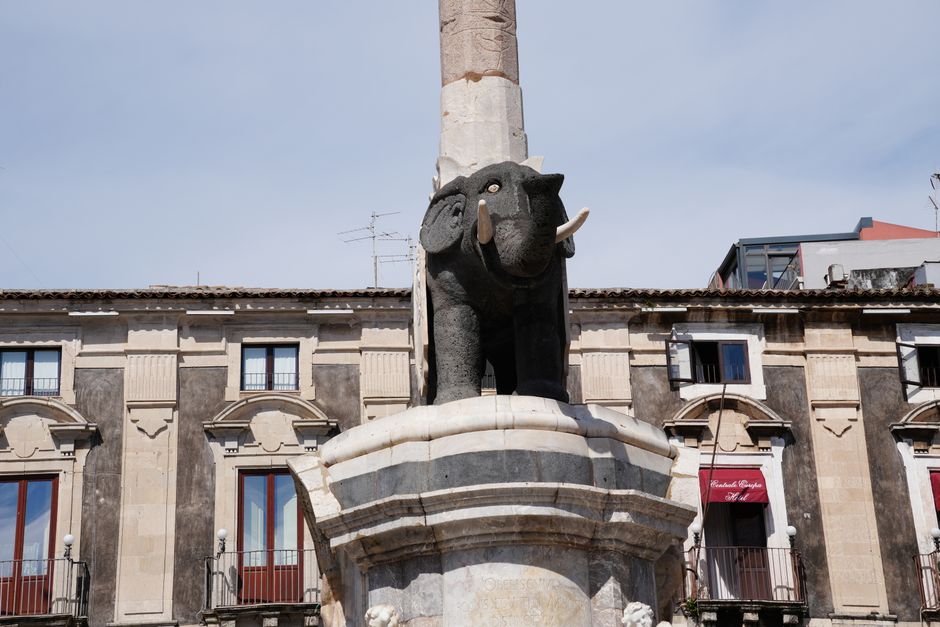
Piazza Duomo is of course Catania’s heart and the go-to stop for hurried visitors. The cathedral, the Fontana dell’Elefante (u Liotru), the baroque façades made of volcanic stone steeped in history: it’s picturesque, photogenic and… extremely busy. The issue here isn’t the monument’s quality — it’s remarkable — but the experience: overcrowding flattens the perception of the volcanic material. Guides and panels often say “lava was used to build the city,” but that geological truth becomes a slogan rather than an understanding. Crowds turn the stone into scenery: people photograph it rather than touch it; they rarely ask how it was quarried, worked and integrated into urban cycles.
Moreover, the mythic interpretation is simplified: the elephant is turned into an icon without exploring the symbolic layers (urban protection, pagan–Christian syncretism, reuse of ancient materials). For someone who wants to feel volcanic stone and understand how it was used, staying in the flow of the square rarely suffices. You’ll leave with a nice photo, maybe an anecdote, but without a tactile experience or practical knowledge about exploiting pozzolana, blocks and local basalts.
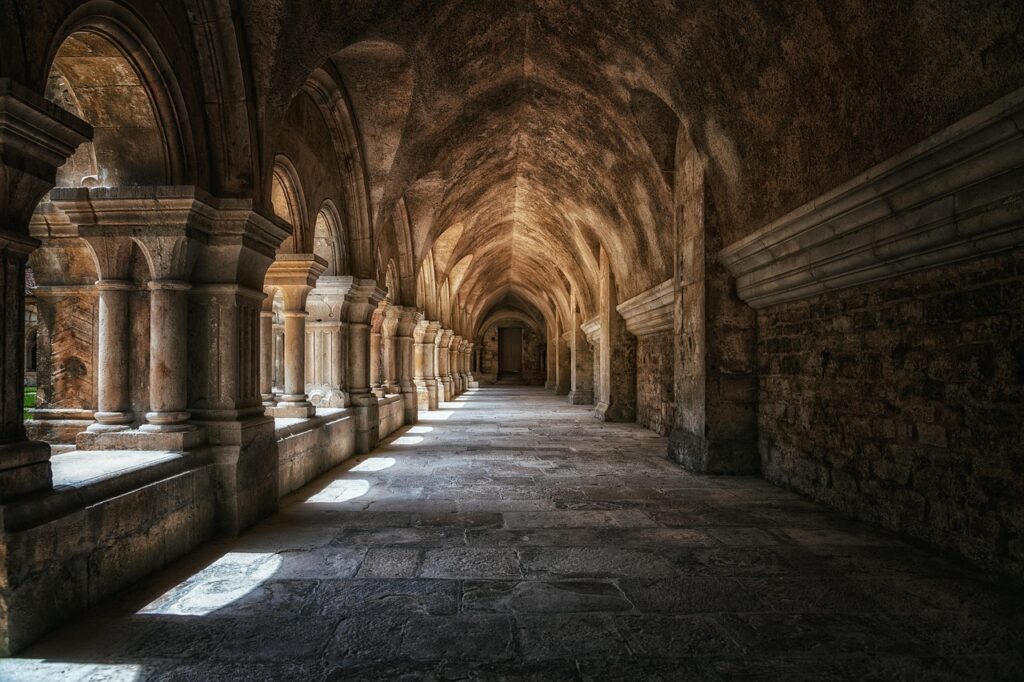
Quality alternative — a technical and historical walk: Monastero dei Benedettini di San Nicolò l’Arena
- Name: Monastero dei Benedettini di San Nicolò l’Arena (Benedictine Monastery)
- Address: Piazza Dante, 32, 95124 Catania CT
- Price: Guided tour approximately €6–€8 (reduced rates for students/65+), free entry to some areas. Check at the ticket desk.
- Hours: Generally open 9:00–19:00; guided tours at set times (10:30, 12:00, 16:00 are common). Booking via the Ufficio del Turismo di Catania or the monument’s website is recommended.
- Why: The former monastery tells the story of reconstruction after earthquake and eruption, shows stonecutting techniques, reuse of materials and offers an architectural reading of how lava was employed. Guided tours, often led by local historians, let you touch the stone, understand interventions and decode the urban landscape.
2) The cliché: the “standard” Etna trip — why the package option often falls short
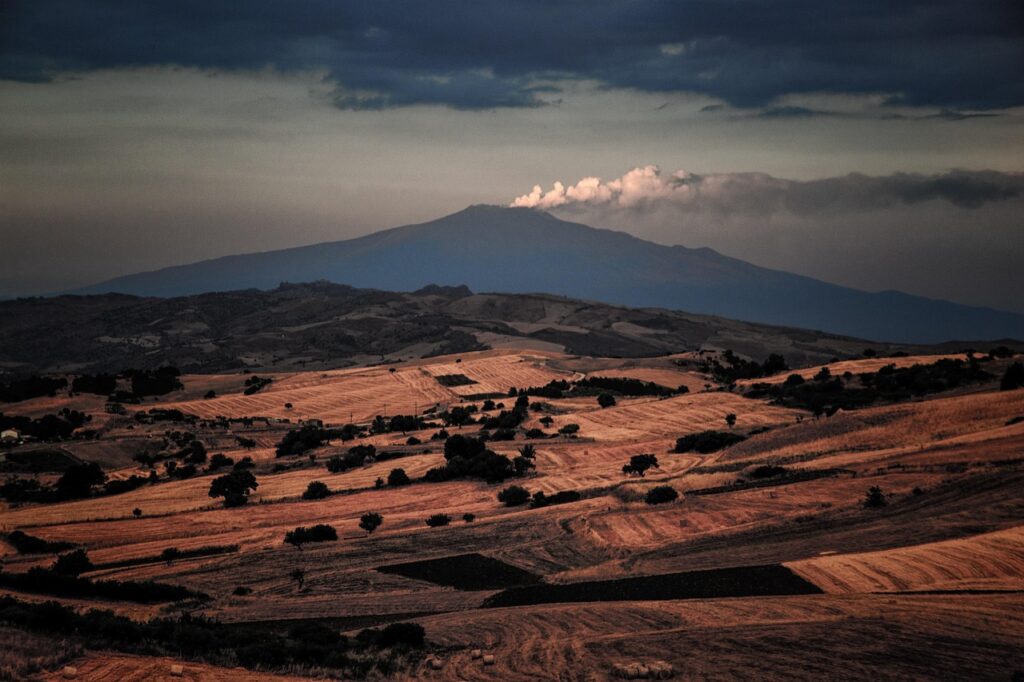
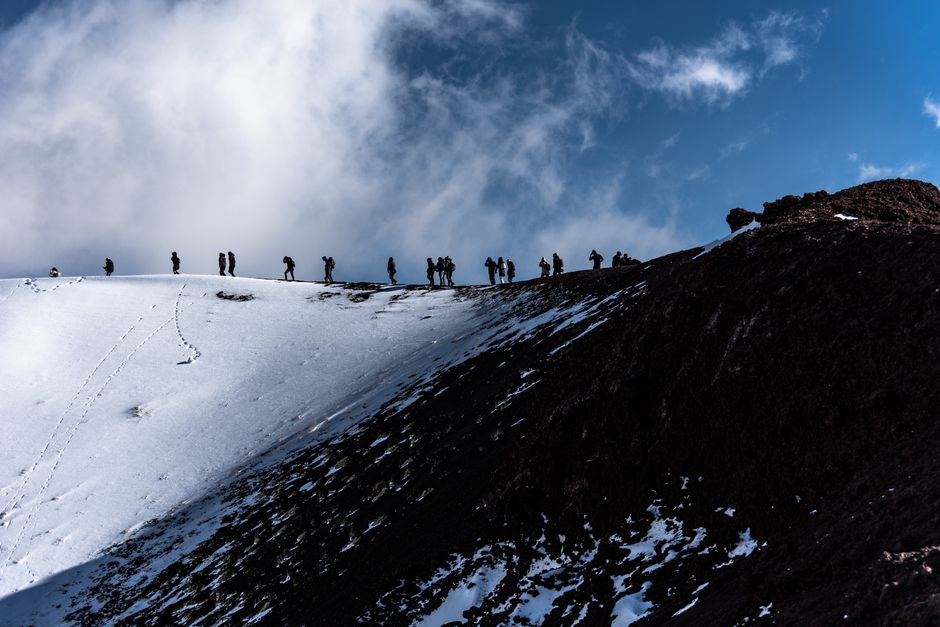
Half-day Etna excursions sold en masse have their use: they make an imposing volcano accessible to travelers with limited time. But these packages tend to homogenize the experience: a grouped arrival at Rifugio Sapienza, a climb to a nearby crater, photos at the rim, then down. The vulcanological story is reduced to a quick explanatory panel and a superficial rundown of eruption types. With tightly packed groups you’ll likely hear only generalities and safety instructions, without time to explore older flows, speak to local volcanologists or appreciate the variety of ecosystems on Etna’s slopes.
There’s also an ethical and ecological dimension: the Sapienza axis is crowded, trails compacted and the mass presence of coaches detracts from the natural experience. If you want to understand volcanic remains, the stratigraphy of flows and the human–Etna interactions (home repairs, vineyards on lava soils), the express visit lacks depth.
Concrete, sustainable alternative — geological walk guided by the local volcanological institute
- Name: Guided excursion by Istituto Nazionale di Geofisica e Vulcanologia (INGV) — Etna GeoWalk
- Starting point: Nicolosi, Parco dell’Etna — Via Etnea, 95030 Nicolosi CT (meeting at the Visitor Centre)
- Price: Around €30–€45 per person (small groups, includes a local geologist guide). Rates vary with duration (3–6 hours).
- Hours: Morning departures (8:30–9:30) and afternoon (13:30); mainly available March–November. Reservation is required via the INGV site or local tourist offices.
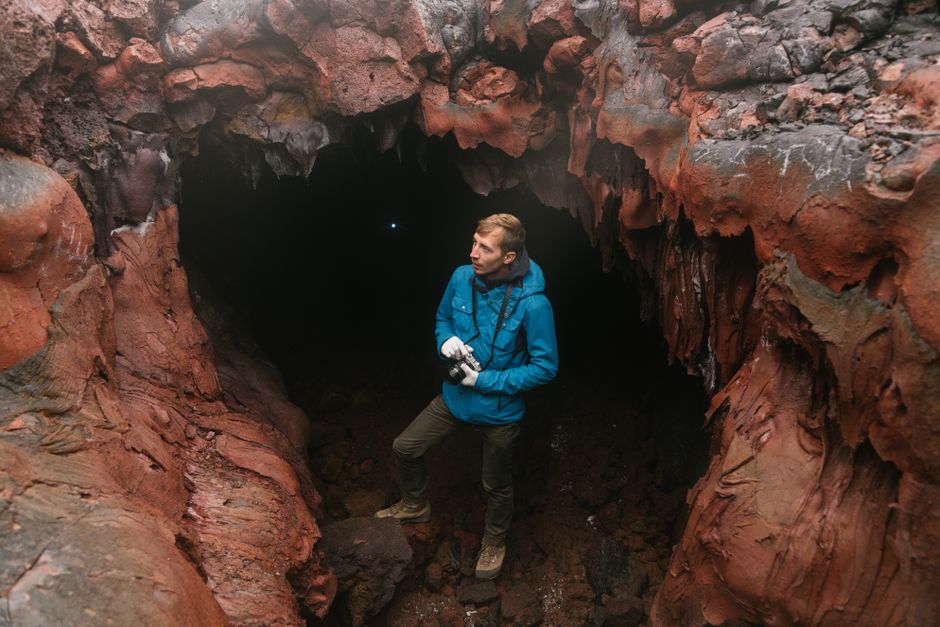
- Why: Limited groups, volcanologist guide, reading of lava flows, visits to lava tubes where safe, explanations of event chronology and human impacts. Slower, more technical and richer than a packaged tour.
3) The cliché: myths treated as quick anecdotes — why simplification impoverishes
Street guides love a strong story: “heroes lived here, the myth was born there,” and for mass tourism that works. But myths in a volcanic city like Catania aren’t just tidbits to slot between two photos: they’re cultural layers, often contradictory, altered by migration, reconstruction, poverty and popular faith. The watered-down version — Venus, Ulysses, the god of fire — reduces complex narratives to attractions. Local tales, superstitions to ward off lava, city-protection rituals (processions, ex-votos, festivals) require ethnographic listening and dialogue with residents to be understood.
Also, commodifying mythology as “atmosphere” contributes to gentrifying popular practices: stalls selling plastic “anti-lava talismans” next to stonecutters who have worked lava their whole lives. In short, reducing myths to one-night stories impoverishes the relationship to place and erases local voices.
Engaged alternative — Workshop and oral histories: a master volcanic-stone carver’s studio
- Name: Laboratorio di Pietra Lavica “Officina dei Basalti” (local workshop)
- Address: Via Gemmellaro, 45, 95124 Catania CT (workshop near the San Cristoforo neighborhood)
- Price: Demonstration workshop €10–€15 per person (≈60–90 minutes); small artisanal pieces available from €5.
- Hours: Typically open 9:00–13:00 and 16:00–19:30; calling ahead (+39 095 XXX XXXX) to book a visit/demo is recommended.
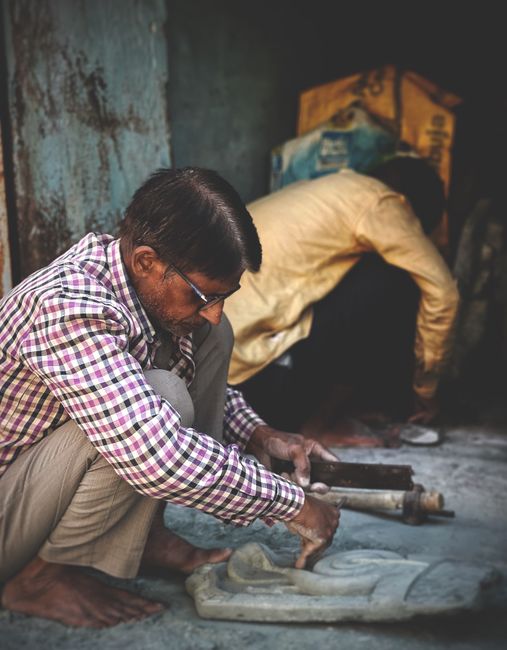
- Why: Here myth is expressed through craft: extraction, sawing, polishing, sacred and profane uses. You hear family stories, see how lava is turned into ornaments and leave with a tactile understanding of local beliefs and practices.
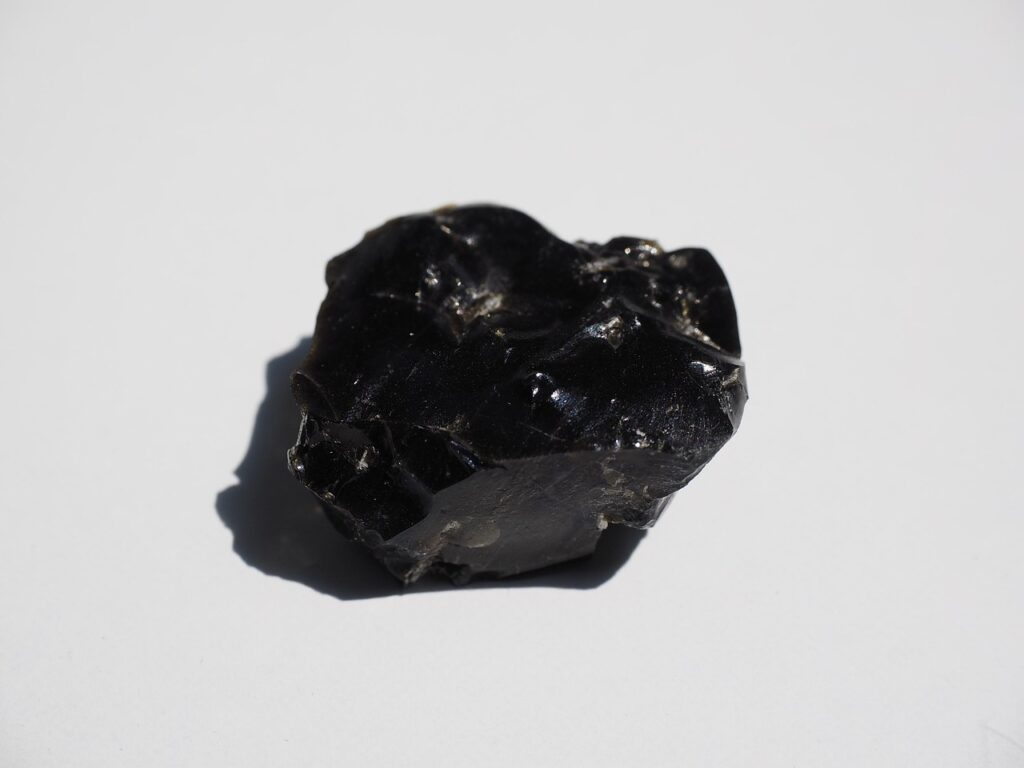
4) The cliché: the “romantic” stroll through the alleyways — why the postcard masks reality
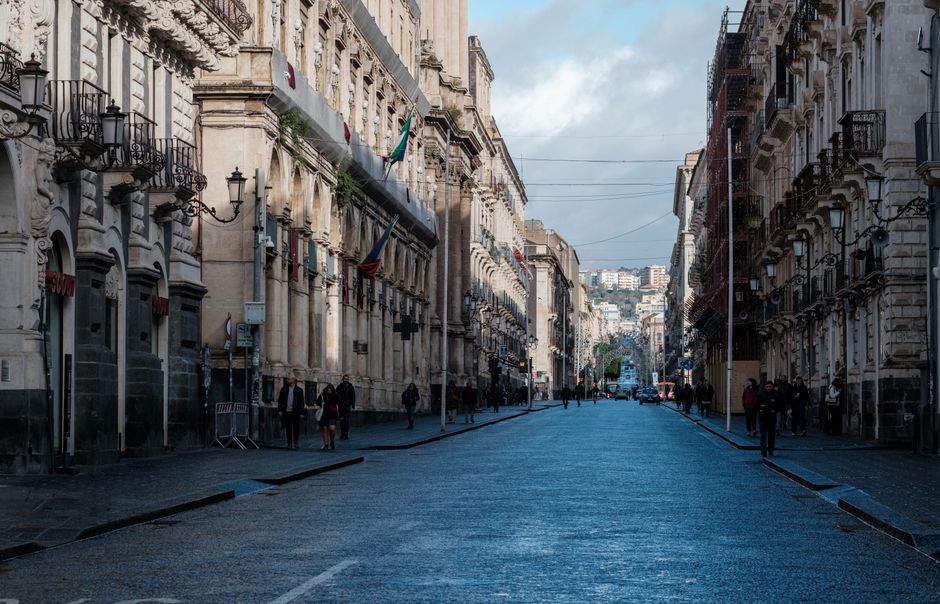
Catania’s narrow black lanes sell the perfect postcard: lava walls, laundry on balconies, cooking smells and baroque vistas appearing around a corner. But the romantic stroll, repeated thousands of times, can turn into a tourist bubble — cafés and teas staged for Instagram, standardized souvenir shops, concentrated flows that block everyday use. This critique isn’t moralizing: it’s a warning that the frozen aesthetic you see can be a façade if you don’t engage with local temporalities (daily commerce, workshops, intergenerational stories).
Also, the coexistence between residents and visitors erodes when the selfie economy outweighs daily life. The result: streets groomed for photos but emptied of living content. If you’re chasing volcanic authenticity — signs of old shelters, reused basalt, graffiti that narrate eruptions — the prefab stroll is a missed opportunity.
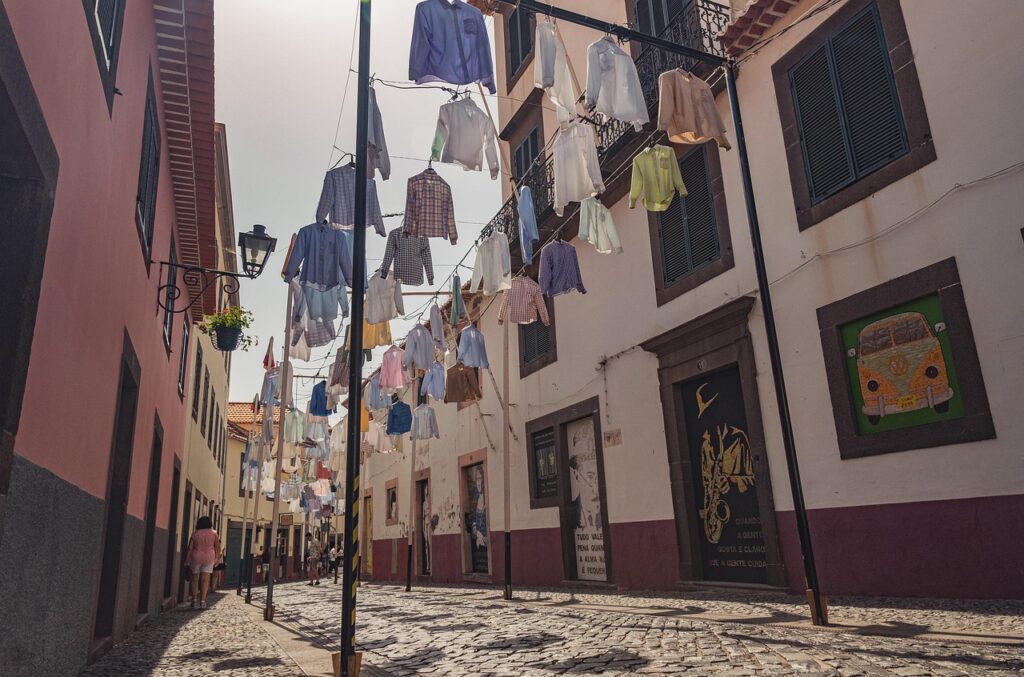
Concrete, respectful alternative — neighborhood walk with an independent local guide
- Name: “Backstreets of Catania” – independent walking tour with a local guide (cultural association)
- Meeting point: Porta Garibaldi, Via Giuseppe Garibaldi, 95131 Catania CT
- Price: Around €12–€20 per person (groups capped at 8 to preserve the neighborhood)
- Hours: Departures at 10:00 and 17:00; duration ~2 hours; booking by email or WhatsApp recommended.
- Why: The guide is often a committed resident who explains material layering, local legends, recent changes and community initiatives. The tour avoids saturated streets and stops at artisans, small grocers and community spaces, favoring real interaction.
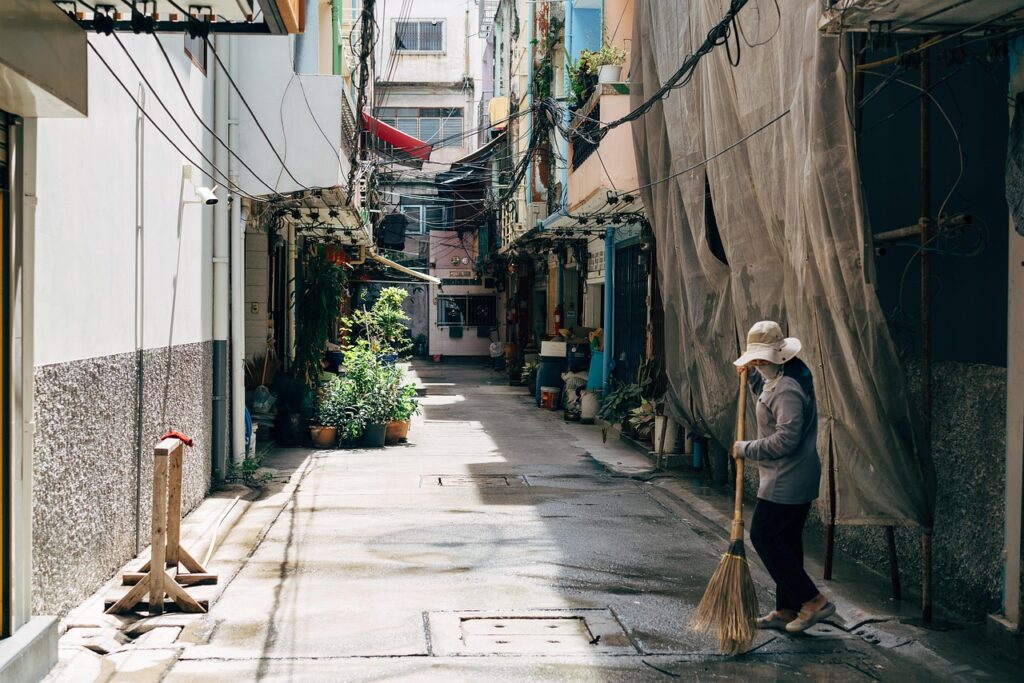
Conclusion — Walk against the tide to understand a volcanic city
Catania deserves to be visited, not consumed. Volcanic remnants and myths aren’t attractions to tick off a list; they’re layers you need to read with patience and humility. Standard tourist experiences promise clean images and simplified stories, but they often erase the texture that matters: stone shaped by hands, family stories of survival through eruptions, the daily uses of a material that forged local identity.
Favoring the alternatives listed here — Monastero dei Benedettini for an architectural reading, a geological walk led by volcanologists to understand Etna, a stonecutter’s workshop to hear embodied myths, or a neighborhood visit led by residents — lets you move beyond clichés. These experiences have a cost and require time, but they offer a fuller, more respectful and often more memorable understanding.
Practical tips: book ahead, choose small groups, ask residents questions, avoid peak hours (midday–15:00 in summer), and above all, take the time to touch the stone — don’t just photograph it. The addresses and hours given here are starting points; check before you go (hours vary by season and local events). Walking against the current isn’t rejecting tourism — it’s changing its quality.