





Introduction: Following the Witch Trails in Catania
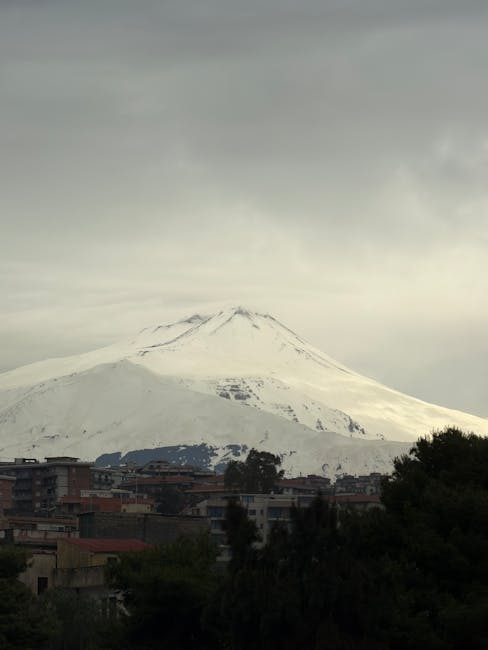
Perched between the colossal Etna and the Ionian Sea, Catania is a city where stone speaks. Its cobbled streets, baroque façades darkened by volcanic ash and bustling squares filled with markets reveal a layered past: Greek, Roman, Norman, Spanish — and an undercurrent of popular imagination where magic, superstition and witch trials have left tangible marks on local culture. “Witch Trails in Catania: Alleys, Beliefs and Hidden Local Lore” invites the traveler to a literary and practical walk through historic sites, oral stories, household beliefs and places that still carry a mysterious aura today.
Catania isn’t Salem, but it has its own legends: women healers, « fattucchiere » who mixed remedies, talismans and ritual words; men who called on protection against evil spirits; amulets and grimoires handed down from mother to daughter. These beliefs sometimes intersected with canon law, local inquisitions and collective fears of epidemics or crop failures. Yet, far from sensationalism, the story of Catania’s “witches” reads like everyday life: herbalists, old pharmacies, protection rituals against the gelata dell’Etna, love charms and prayers to Saint Agatha.
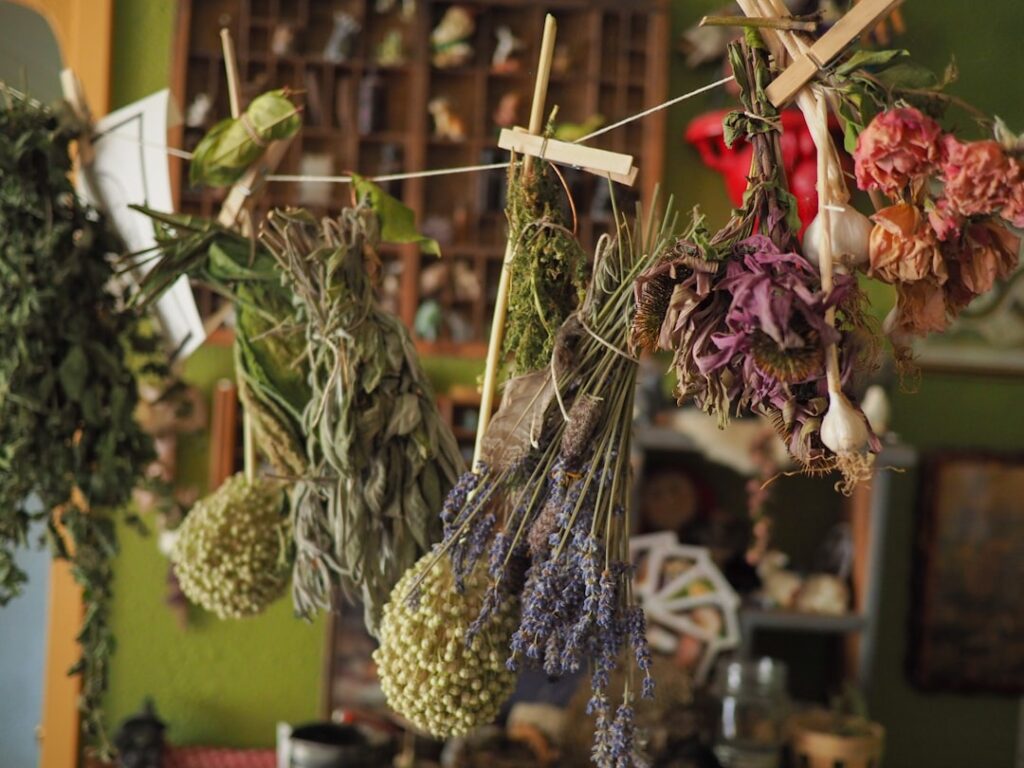
This route is aimed as much at those curious about folk beliefs as it is at travelers who love baroque architecture and alleys full of smells, sounds and gestures. You’ll see emblematic monuments — the Cattedrale di Sant’Agata, Castello Ursino, the Monastero dei Benedettini — but also less official spots: narrow lanes where elders said they’d seen nocturnal processions, shops selling amulets, herbalist stores and markets still vending dried herbs, salted snails and carnelian talismans.
The article offers a walking route, stops for historical reflection, practical tips (hours, prices, exact addresses) and advice on approaching these stories with respect and sensitivity. This is not a sensational hunt for “witches,” but a delicate mapping of beliefs: how they shape urban space, how they survive in everyday gestures and how, sometimes, they become commercial souvenirs.
Pack sturdy walking shoes, a notebook, and curiosity: the city is a palimpsest. Around a square or archway you might stumble upon a statue, a plaque or an architectural detail that opens a small window onto the invisible world Catanese people have lived alongside for centuries. Follow the guide — or rather, the traces — through alleys, churches and markets, and let yourself be carried away by a Catania that can be shadowy, often warm, and always alive.
History and Beliefs: How Witchcraft Wove into the Urban Fabric
To understand Catania’s “traces” of witchcraft, first put popular beliefs into their historical context. In the Middle Ages and the early modern period, Sicily — and Catania in particular — was a crossroads of cultures: Greek and Arab magical traditions merged with popular Christianity and peasant rites. Women who healed with herbs and hands were both respected for their knowledge and suspected of skirting orthodoxy. These practices were not necessarily “evil”: many belonged to empirical medicine, rites of passage or family protections.
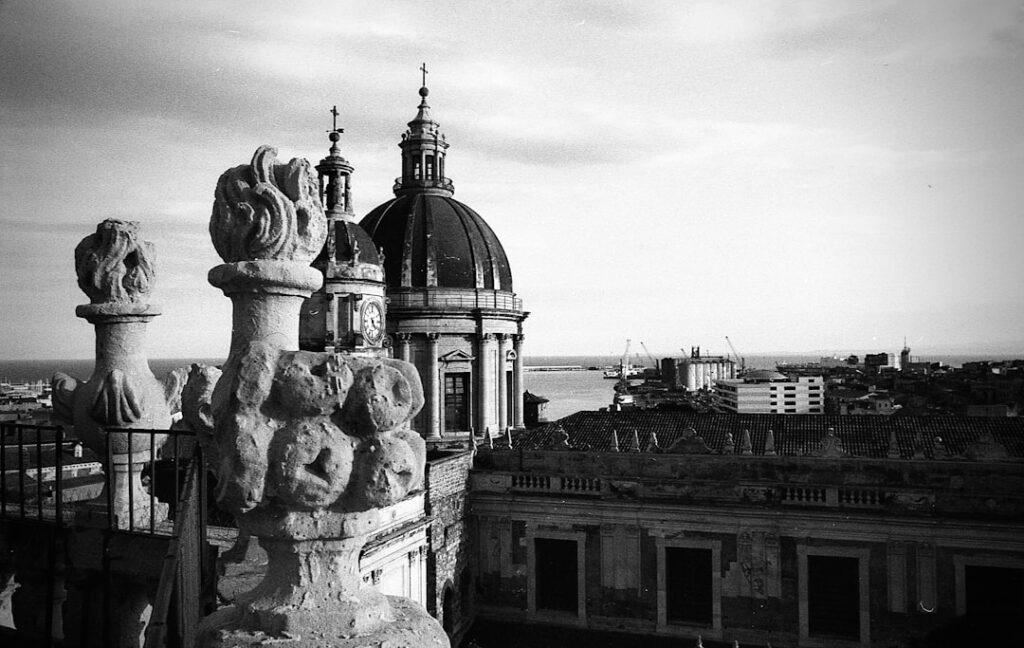
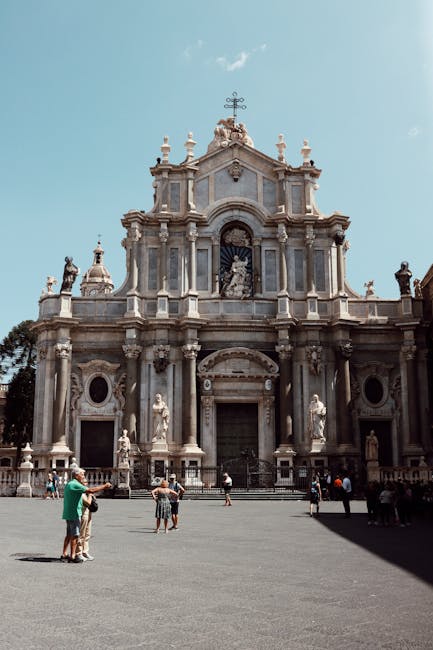
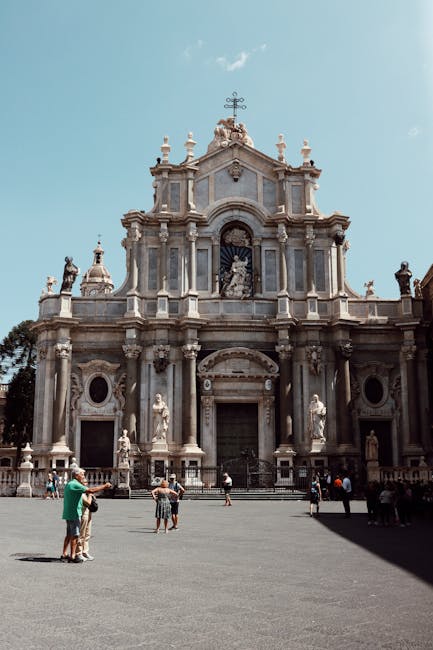
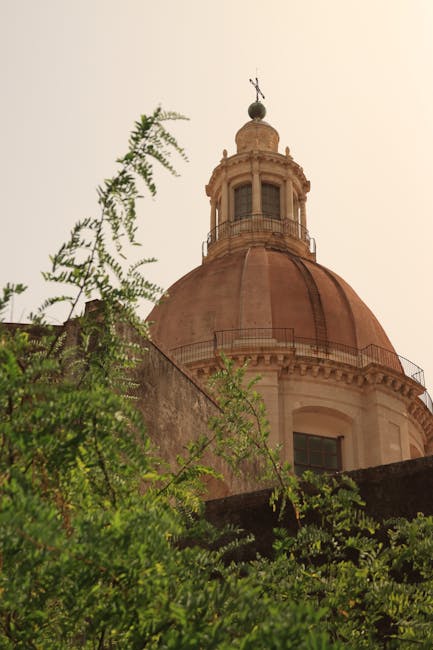
The Cattedrale di Sant’Agata (Piazza Duomo, 95131 Catania CT) plays a paradoxical role in this spiritual landscape. Saint Agatha, patron saint of Catania, is invoked to protect the city from Etna’s eruptions, fires and illnesses. Popular devotion to the saint often blended with more pagan rites: offering ex-votos to ask for protection, hanging amulets on doors and leaving blessed herbs. The cathedral, rebuilt after the 1693 earthquake, is a striking example of Sicilian baroque where religious fervor still sits alongside folk practices.
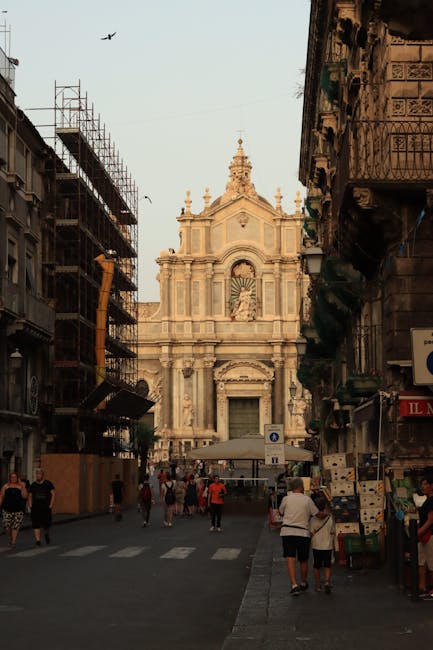
Witch trials in Sicily were less spectacular than those in northern Europe, but the influence of the Inquisition was felt. Catania’s notarial and ecclesiastical archives preserve testimonies of denunciations, inquiries and fines imposed on those practicing rites deemed superstitious. Often, accusations of spells masked neighborhood conflicts — jealousy, debts, land disputes — so “witchcraft” sometimes became a social language to settle tensions.
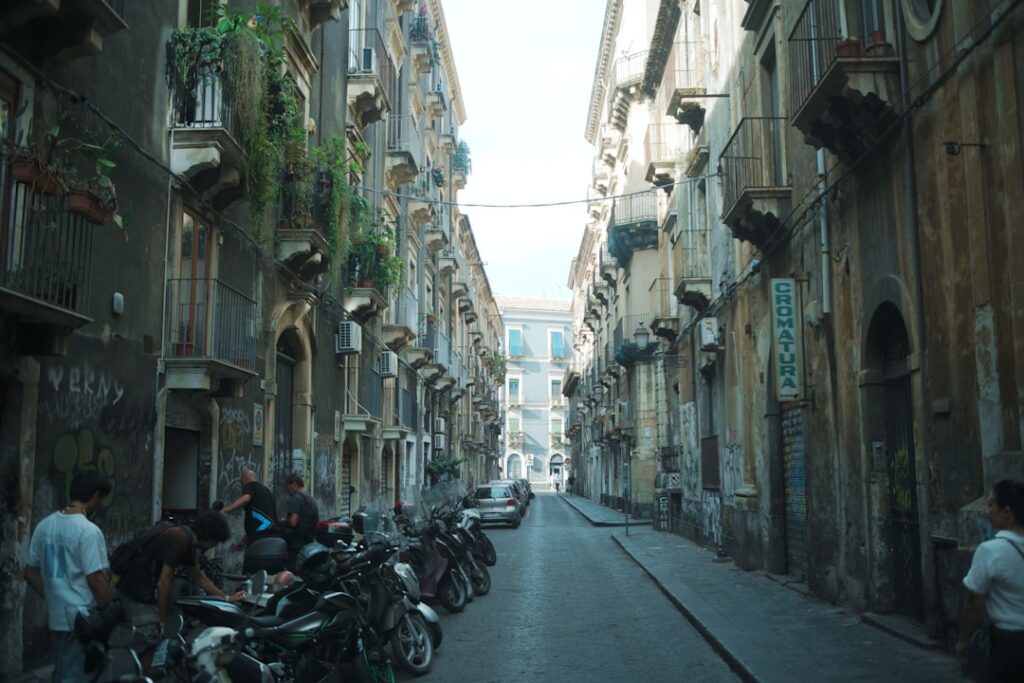
Places themselves — shadowed corners, wells, household ovens — carry use and meaning. Certain lanes like Via Crociferi, Via Santa Filomena and the areas around Villa Bellini have preserved memories of nocturnal apparitions, secret processions or miraculous healings. These stories, passed down orally, shaped place names, stone benches and local beliefs; they’re also reflected in protective practices: olive branches above doors, horseshoes nailed in, or small herb sachets (bucaneve) hidden under beds.
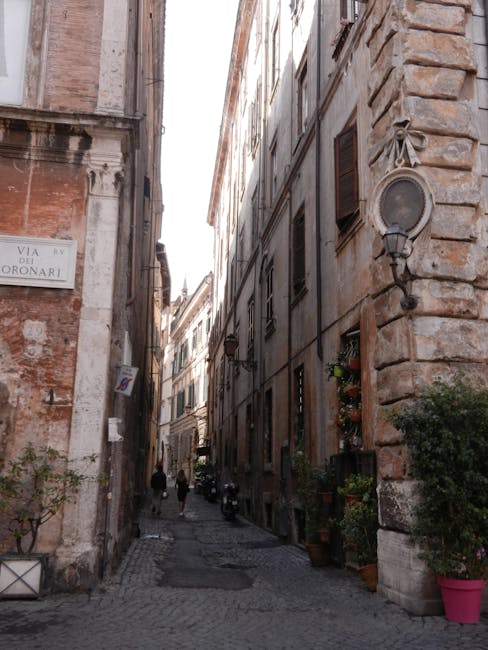
Finally, it’s essential to distinguish myth from reality: studying popular beliefs shows how “magical” practices can be social resources, alternative medicines or ways to resist central power. In Catania, they’re now part of a rich intangible heritage that appears in food, music, festivals and even language. Exploring the traces of witches here isn’t just looking for the occult; it’s listening to a city tell how it survived fire, epidemics and historical upheavals.
Walking Route: From Secret Alleys to Sacred Squares
To feel the city in its bones, nothing beats walking. The route below covers about 3.5–4 km, takes 2–3 hours without long stops, and connects some of the most evocative sites for anyone interested in popular beliefs. It starts at Piazza Duomo and winds northeast along streets where popular history is written in the walls.
Starting point: Cattedrale di Sant’Agata, Piazza Duomo, 95131 Catania CT. Hours: the cathedral is usually open daily from 7:30 to 19:00 (check for services). Free entry; guided visits and access to the crypt may ask for a donation or a small fee (roughly free to €2 for upkeep). Inside, pay special attention to ex-votos and plaques of thanks: they testify to the pleas for protection addressed to Saint Agatha.
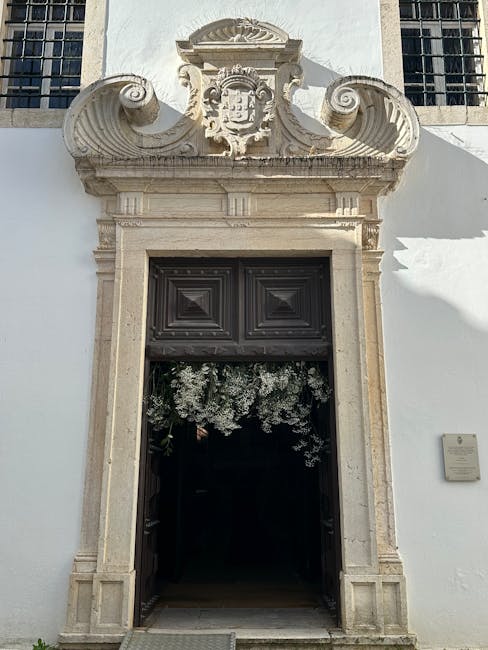
From Piazza Duomo, take Via Etnea north, then turn onto Via dei Crociferi — one of the city’s most baroque streets, lined with convents and churches like the Monastero dei Benedettini and the Chiesa di San Giuliano. Via Crociferi is a historical corridor where sculpted façades and massive portals speak of religious fervor and the protections communities put in place. Walk slowly: look for engraved lintels, votive niches and small dates carved into the stone.
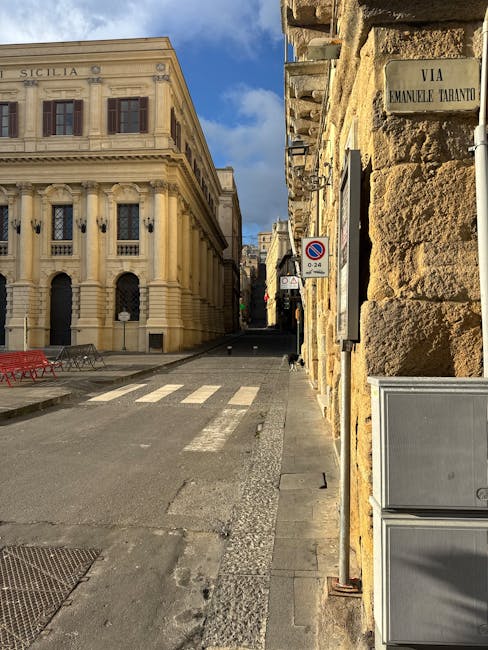
Then head down toward Villa Bellini (Viale Presidente Kennedy, 95129 Catania CT), a public garden where, in the past, popular gatherings and seasonal rites took place. Exact address: Villa Bellini, Viale Regina Margherita/Viale Gabriele D’Annunzio (main entrances on Viale Presidente Kennedy). Hours: park generally open from 7:00 to 20:00; free. Here observe the centuries-old trees — shady spots ripe for legends of night meetings. Many local tales mention rare herbs collected at night and meeting points beneath the pines.
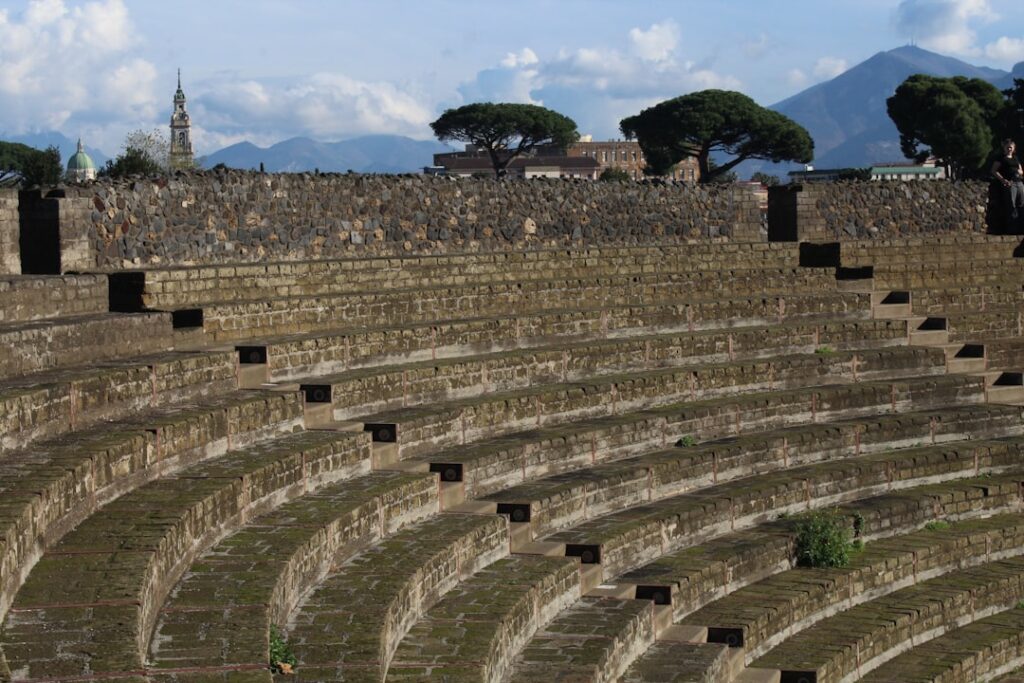
Continue to Piazza Stesicoro (Piazza Stesicoro, 95121 Catania CT), where the remains of the Anfiteatro Romano di Catania sit (Anfiteatro Romano di Catania, Piazza Stesicoro). Hours: the archaeological area is visible from the square at all times; underground or paid access depends on temporary exhibitions (museum/entry fees vary, often between €3 and €6). The ancient theater symbolizes the layering of eras: Catanese people carved their beliefs into these stones, and several tales recall apparitions and vigils near the Roman remains.
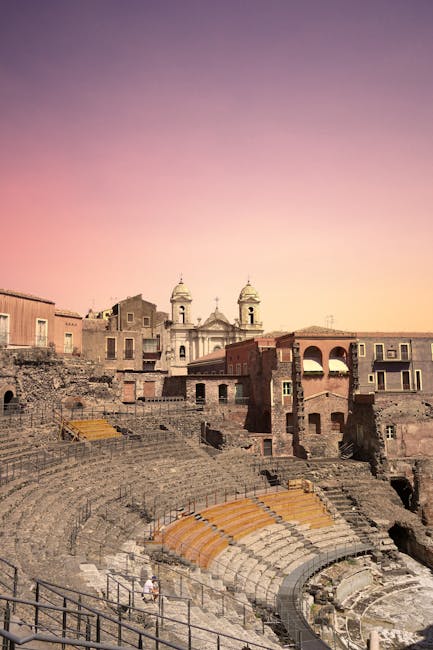
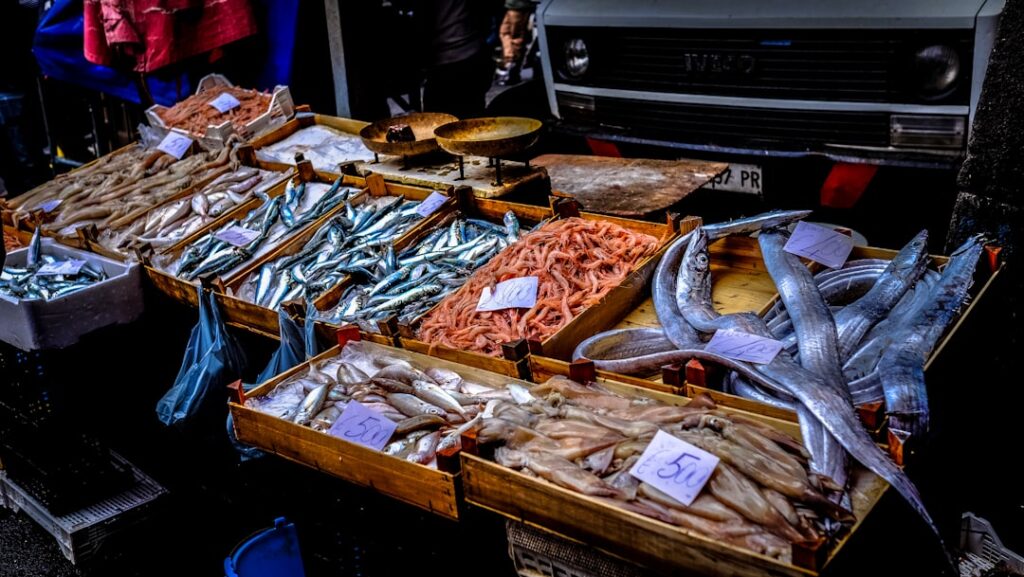
Finish the walk with a sensory plunge into the Pescheria market (La Pescheria di Catania, Corso Martiri della Libertà / Via Pardo, near Piazza Duomo). Hours: the market comes alive early, often from 6:00 to 13:00, with some sections closed Sunday mornings; free to stroll, bring cash if you plan to buy. Beyond fish, you’ll find dried herbs, amulets and folk objects: it’s the ideal spot to observe how protective practices mingle with daily life. The vendors, often elderly, are living oral libraries; don’t hesitate to ask questions, but do so respectfully.
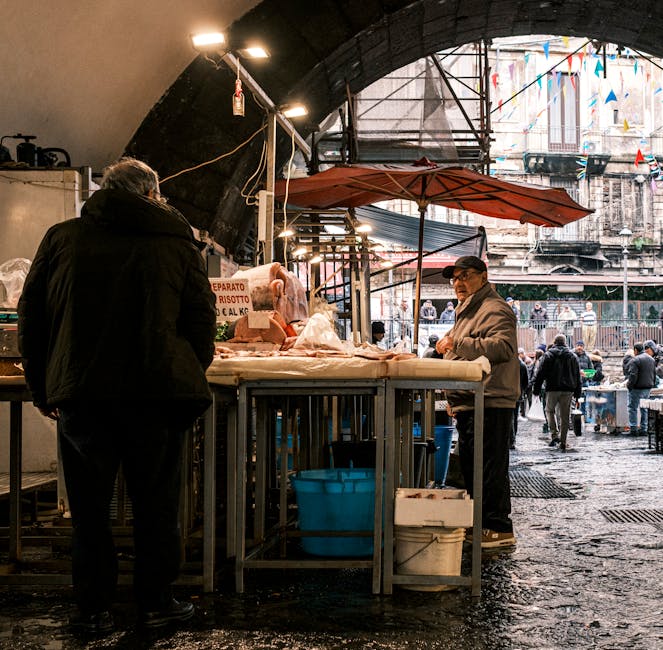
Practical walking tips: wear flexible shoes (old cobbles), head out early to enjoy the light and markets, bring a water bottle and a small notebook to jot down names of people you meet. Respect places of worship (appropriate dress requested) and ask permission before photographing older people at the market. Finally, remember that hours can vary with season and religious festivals; during the Festa di Sant’Agata (February), the city changes and some sites may be closed or extremely busy.
Key Sites and Exact Addresses: Monuments, Museums and Places of Memory
To deepen your exploration, here’s a list of must-see places tied to Catania’s history and popular beliefs, with addresses, typical hours and usual entrance prices. Note that fees can change: always check official sites or the local Tourist Office (Ufficio Informazioni Turistiche).
- Cattedrale di Sant’Agata — Piazza Duomo, 95131 Catania CT. Hours: generally open daily from 7:30 to 19:00; services vary (Sunday mornings and feast days). Free entry; access to some areas (crypt, treasure museum) sometimes paid or donation-based (from €0 to around €3–5 for guided or conservation access).
- Castello Ursino (Museo Civico) — Piazza Federico di Svevia, 1, 95121 Catania CT. Hours: generally Wednesday to Monday 9:00 to 19:00, closed Tuesdays (to be confirmed). Price: museum entry around €6–8 for adults; reduced rates for students/seniors, free on some provincial Sundays (varies). The castle, built under Frederick II, houses the Museo Civico and collections of art and objects that shed light on urban life, including popular beliefs materialized in ex-votos and votive items.
- Monastero dei Benedettini di San Nicolò l’Arena — Piazza Dante (complex visible from Via Etnea / Piazza Dante). Hours: university site visits and guided tours vary (often 9:00–17:00 for weekday guided tours). Price: guided tours around €6–10 depending on the route. This monastery is a cultural and heritage hub: its cloisters and halls tell of monastic life and interactions with the populace, notably in care and rites.
- Anfiteatro Romano di Catania — Piazza Stesicoro, 95121 Catania CT. Hours: the part visible from the square is always open; guided visits and access may be subject to exhibition schedules (check Comune di Catania). Price: variable (often free to view from outside; guided entry paid between €3 and €6).
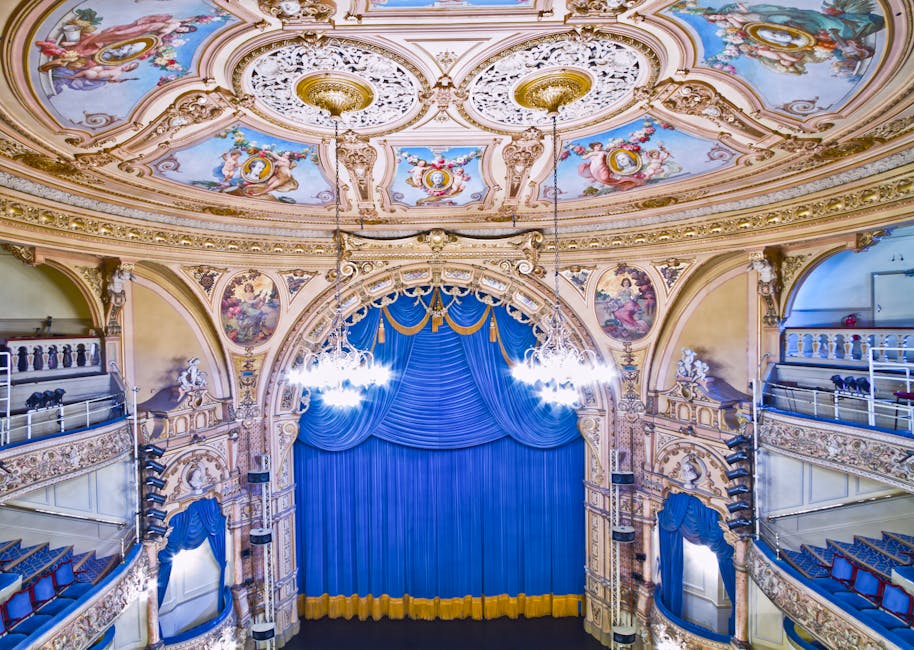
- Teatro Massimo Vincenzo Bellini — Via Vincenzo Bellini, 12 (or Via Vittorio Emanuele II depending on the entrance), 95131 Catania CT. Hours: box office usually open 10:00–18:00, evening performances; guided tours around €7–10. The theater, dedicated to Catania-born composer Vincenzo Bellini, is not only a performance venue but also wrapped in urban legends: nighttime rehearsals, artist camaraderie and tales of theatrical « curses. »
- La Pescheria (fish market) — Corso Martiri della Libertà / Via Pardo, near Piazza Duomo, 95131 Catania CT. Hours: market lively from 6:00 to 13:00 (weekdays); some stalls close earlier. Free to wander; purchases in cash. The smells, vendor cries and presence of herbs and amulets make it a key place to study popular culture.
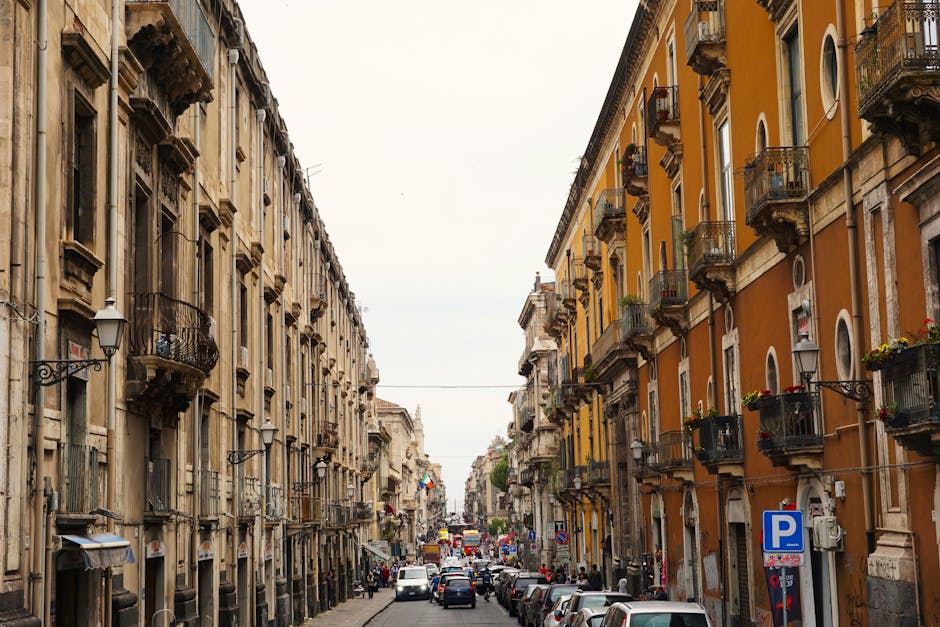
These places offer layers of observation: museums preserve objects, churches hold ex-votos and written testimonies, while markets and certain alleys reveal living practices. For each visit, respect photography rules (some chapels restrict photos), bring payment for small entries and tailor your schedule to opening times (many sites close early in the afternoon).
Rituals, Objects and Amulets: Where to Find Material Survivals
One of the most fascinating things for a traveler is identifying material survivals of beliefs: suspended amulets, dried herbs, small votive statues or saint cards. In Catania these items can be found in several specific places — specialist shops, souvenir stalls around Piazza Duomo, and sometimes at the Pescheria market. Here’s a practical map and tips for acquiring them respectfully.
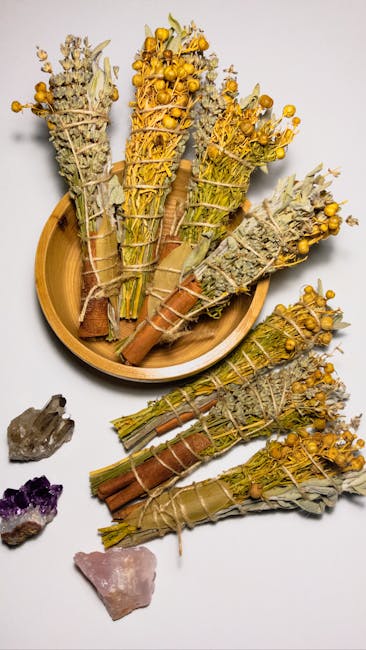
Recommended shop: Officine Erboristiche and traditional herbalist stores along Via Etnea and in adjacent lanes. Typical address: Erboristeria Storica, Via Etnea (various numbers between 100 and 150) — hours usually 9:00–13:00 and 16:00–20:00, closed Sunday afternoons; prices: dried herbs from €2 per bundle, prepared infusions €3–6. These shops sell blends of chamomile, thyme, sage, but also protective « sacchetti » and sometimes horn necklaces, carnelian amulets or blessed iron pieces.
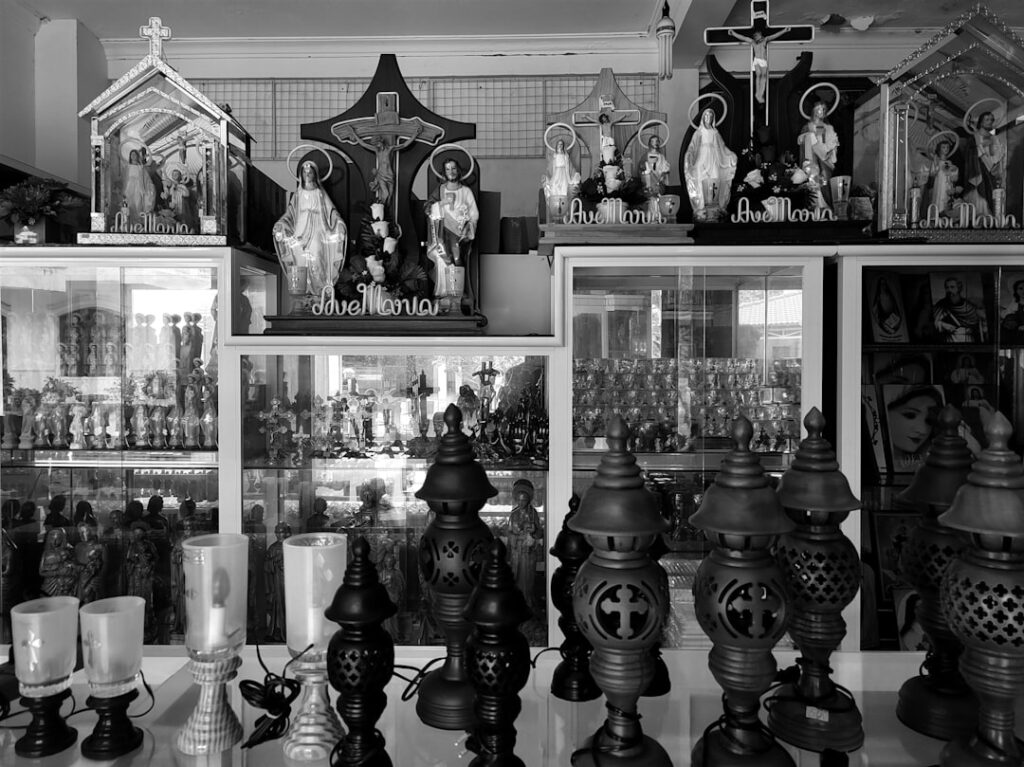
Another spot: religious goods shops around Piazza Duomo (e.g., souvenir religious shops on Via Etnea, Via Corte delle Province). You’ll find scapulars, small statues of Saint Agatha, miniature ex-votos and prayer cards. Prices: religious souvenirs from €1 to €30 depending on size and material. Tip: choose handcrafted items and avoid mass-produced imitations for an authentic keepsake.
Buying and use tips: if you buy an amulet or protective sachet, ask the seller if it has been « blessed » by a priest or if it’s part of a particular ritual. Catanese people often value origin: an amulet bought at the local market or given by an elderly woman keeps more symbolic weight. Always respect religious property: ask before photographing objects in a church or artisan’s shop.
Finally, be curious but discreet: asking artisans and vendors about an object’s meaning can open beautiful conversations, but don’t press if someone shows reserve. Some practices remain family-private. If you’re interested in a workshop or demonstration (making a protective sachet, explaining a tisane), first offer to buy a small item and politely ask if more can be shared.
Local Practical Tips and Cultural Safety
Exploring Catania’s witch traces calls for cultural caution as much as tourist common sense. Here are practical tips so your trip is enriching and respectful.
- Transport and accessibility: Catania’s historic center is compact and walkable. From Fontanarossa Airport (Aeroporto Vincenzo Bellini di Catania-Fontanarossa, Via Fontanarossa, 95121 Catania), a taxi costs roughly €20–30; the Alibus shuttle is about €4 one way. The lanes are cobbled: favor comfortable shoes.
- Opening hours: many small shops close between 13:00 and 16:00 (siesta). Churches open early but may be closed for services; check information signs at entrances. Museums have fixed closed days (often Tuesday or Wednesday), and some sites close for religious holidays.
- Currency and payments: euros. Markets and small shops often prefer cash; have small change. Cards are accepted in museums and larger shops.
- Respect and photography: in places of worship wear appropriate clothing (covered shoulders, not overly short shorts) and ask before photographing people or personal objects. Market vendors usually accept photos if you ask.
- Interacting with locals: Catanese people are known for their warmth. If you want to ask about local beliefs, start with a compliment about the city or a local product (for example, granita); this often opens the door to deeper exchanges.
- Safety: Catania is generally safe for tourists, but like any big city watch for pickpockets in crowded areas. Avoid leaving valuables visible in cars.
- Best times to visit: avoid the Festa di Sant’Agata period (early February — heavy crowds and many closures). Spring and autumn offer pleasant walking temperatures (15–25 °C). In summer, set out early in the morning to beat the heat.
Finally, for those wanting to go deeper, several local guides offer thematic tours on popular beliefs and Catania’s legends. Look for certified guides or local agencies to ensure quality and respect for intangible heritage. And remember: following the witch trails in Catania is above all about listening to the city and its people — you’ll leave with more stories than objects.
Conclusion: Between Myth and Daily Life, Catania’s Living Memory
Exploring Catania through the lens of witches and popular beliefs isn’t just rummaging through a dark or exotic past: it’s perceiving how a community shaped its material and spiritual landscape to face hazards — volcanoes, epidemics, wars, poverty. The traces read in the stone of baroque façades and in the outstretched hand of a market vendor offering an herb for a cold. They also appear in daily gestures, private prayers and talismans embroidered by anonymous hands. This memory is alive: it’s passed on, transformed and sometimes commercialized.
The suggested walk links official sites — cathedrals, castles, monasteries — with micro-locations of popular culture — markets, small shops, alleys where stories flow. Each stop sheds its own light: an ex-voto in a chapel tells of a prayer answered, a stall in the Pescheria recalls the centrality of shared food in community protection, an herbalist reveals empirical knowledge and healing techniques passed down through generations.
For the traveler, the golden rule is respectful curiosity. Witch stories can attract fascination, but they’re often tied to real people and past sufferings. Approach these topics with kindness: ask open questions and offer human exchange rather than just note-taking. Intangible heritage — songs, recipes, gestures — is protected also by the way we receive it.
When you leave, you’ll take images: the silhouette of Castello Ursino at dusk, the worn steps of the Cattedrale di Sant’Agata, the morning cries of the market and the smell of dried herbs. Above all, you’ll bring home a more nuanced understanding: that “witchcraft” and “belief” are muddy categories, threaded with resistance, care and solidarity. Catania, a city of stone and fire, holds these traces as witnesses to a humanity that has always tried to protect itself and make sense of the unseen.
If you want to extend the experience, consider a themed guided tour, meeting a local herbalist or consulting the archives at the Museo Civico in Castello Ursino. And above all, give Catania time to tell you its little stories: some truths reveal themselves in details — a tiny altar, a forgotten inscription, a plant crushed between fingers. Thus, following the witch trails, you’ll most of all discover the city in its deepest truth: a place that learned to live with mystery.